Milvus migrans lineatus
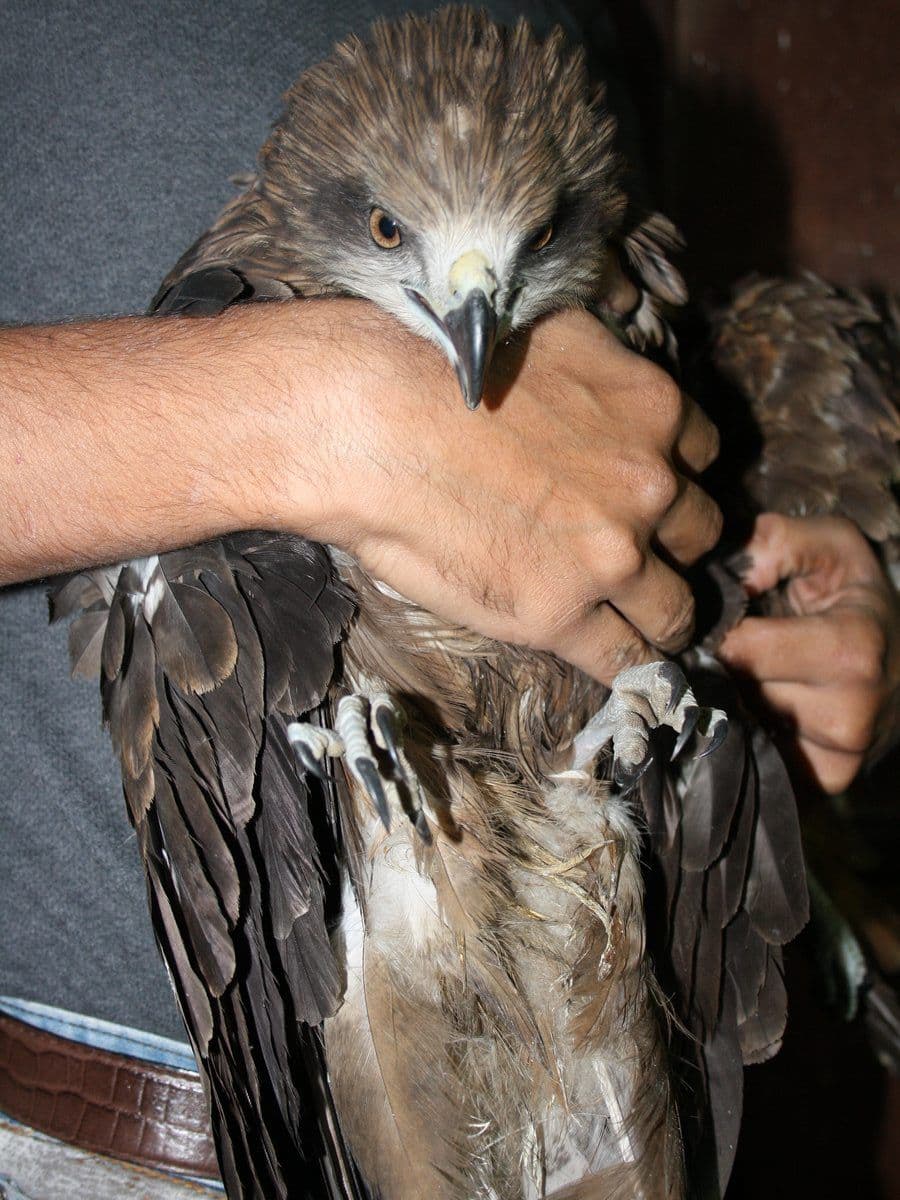
The Black Eared Kite is the migratory cousin of Delhi's resident Black Kite. Taxonomists debate whether it's a full species or a subspecies (M. migrans lineatus). During winter, these larger, darker birds mix with Delhi's resident kites — and Wildlife Rescue treats them alongside their local relatives.
of total intake
treated annually
Open woodland, forest edges, and urban areas. In Delhi, overlaps with the Black Kite (M. m. govinda) during winter months, frequenting the Yamuna floodplain, landfills, and agricultural outskirts.
Breeds across Central and East Asia — Siberia, Mongolia, China, Japan. Northern populations migrate south in winter, reaching the Indian subcontinent from October to March. Some individuals overwinter in Delhi.
Similar to Black Kite — an opportunistic scavenger and predator. Feeds on fish, small mammals, insects, and carrion. Slightly larger bill may give an edge in handling larger prey items.
Body length 50–65 cm, wingspan 130–160 cm, weight 500–1,100g. Noticeably larger than the resident Black Kite subspecies (govinda), with darker ear coverts that give it its name.
Migratory — arrives in Delhi around October and departs by March. Often mixes with resident Black Kite flocks, making identification challenging. Tends to be slightly less gregarious than govinda in urban settings.
Same as Black Kite — manja string lacerations, electrocution, vehicle collisions, and poisoning. Winter migrants face additional stress from long-distance travel and unfamiliar urban hazards. Habitat degradation at stopover sites along the Central Asian Flyway.
Black Eared Kite at Wildlife Rescue clinic — migratory winter visitor from Central Asia
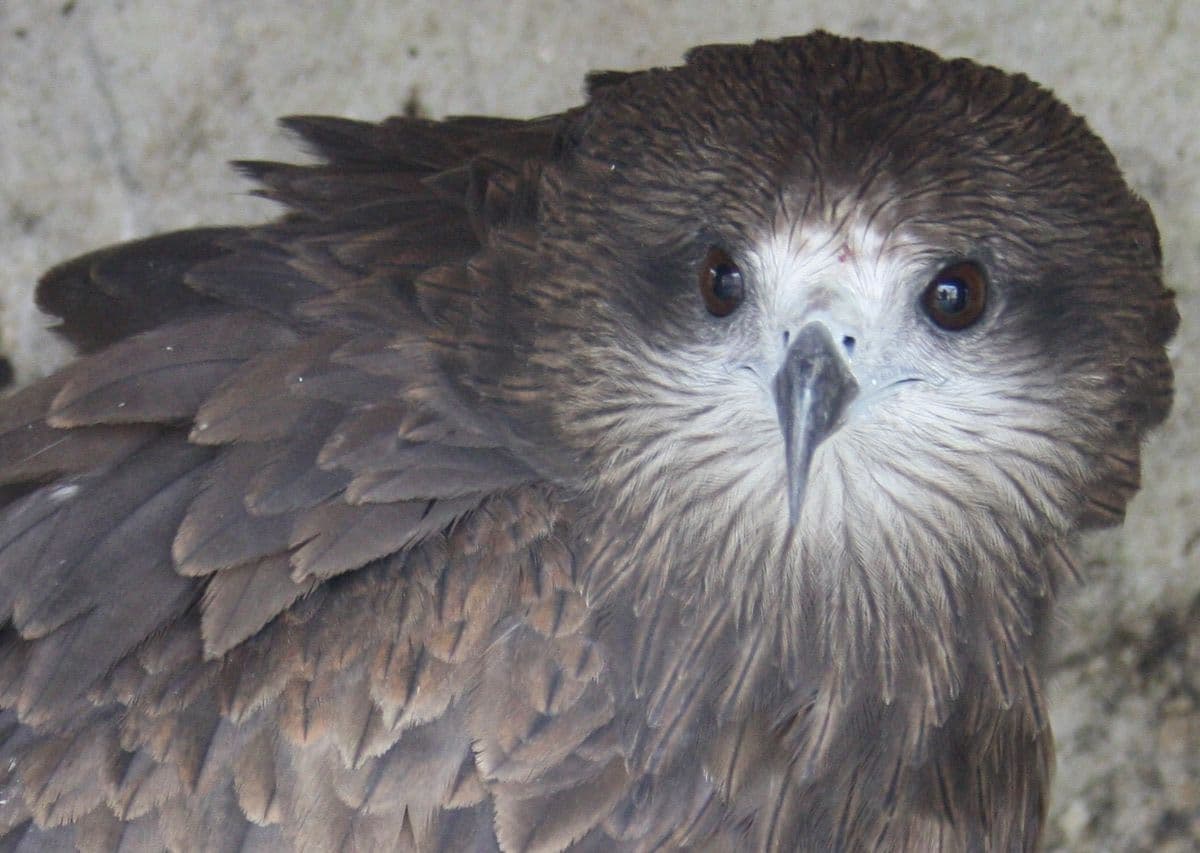
Black Eared Kite close-up portrait showing dark ear coverts and piercing eyes
Black Eared Kites migrate thousands of kilometers from Siberia and Mongolia to winter in India. Some individuals fitted with GPS trackers have been recorded crossing the Himalayas at altitudes above 4,000 meters — a remarkable feat for a bird that spends most of its time scavenging at ground level.
Your donation directly funds the rescue and rehabilitation of Black Eared Kites and other birds in Delhi.
