Otus bakkamoena
The Indian Scops Owl is one of Delhi's most secretive residents — present in far greater numbers than most people realize, but almost never seen thanks to their extraordinary camouflage. Wildlife Rescue treats approximately 20 per year, mostly birds that have collided with vehicles or windows at night.
of total intake
treated annually
Wooded areas, gardens, orchards, groves of old trees, and leafy urban neighborhoods. In Delhi, found in the Ridge forests, Lodhi Gardens, and campuses with mature trees. Prefers dense foliage for daytime roosting.
Resident across the Indian subcontinent, Sri Lanka, and into Southeast Asia. The Indian subspecies is non-migratory and found from the Himalayan foothills to the southern tip of India.
Primarily insects — beetles, moths, grasshoppers, and crickets. Also takes small rodents, lizards, and occasionally small birds. Hunts from a perch at night, swooping down on prey detected by sound and sight.
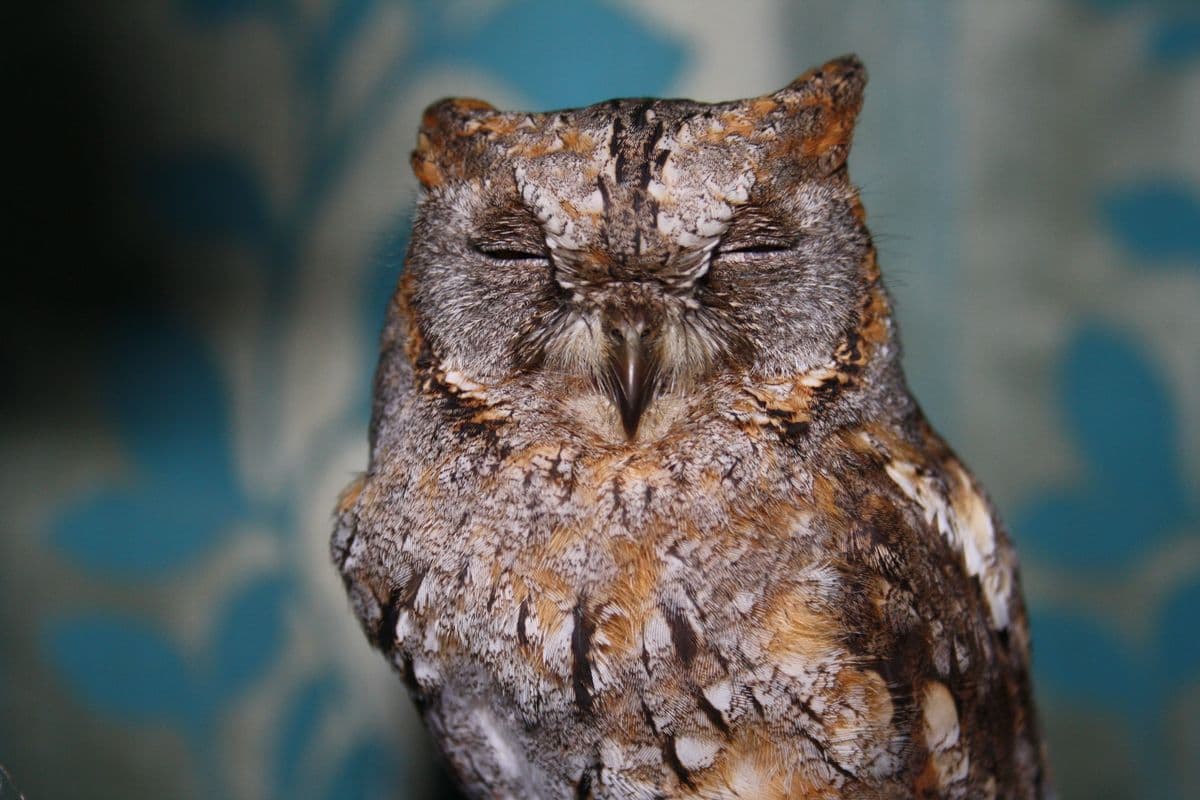
Body length 20–25 cm, weight 100–170g. Small owl with prominent ear tufts ("scops" refers to these feathered tufts), large orange or brown eyes, and intricate bark-like camouflage plumage.
Strictly nocturnal. Masters of camouflage — during the day they press against tree trunks with eyes shut and ear tufts raised, becoming virtually invisible against bark. Their soft, monotonous 'whuk... whuk... whuk' call is a characteristic sound of Delhi nights.
Loss of old trees with roosting and nesting cavities. Bright city lights disrupting nocturnal hunting. Window strikes during nighttime flights. Superstitious persecution — like other owls, sometimes considered bad omens. Vehicle collisions on lit roads at night.
Indian Scops Owl front portrait showing intricate bark-like camouflage plumage and ear tufts
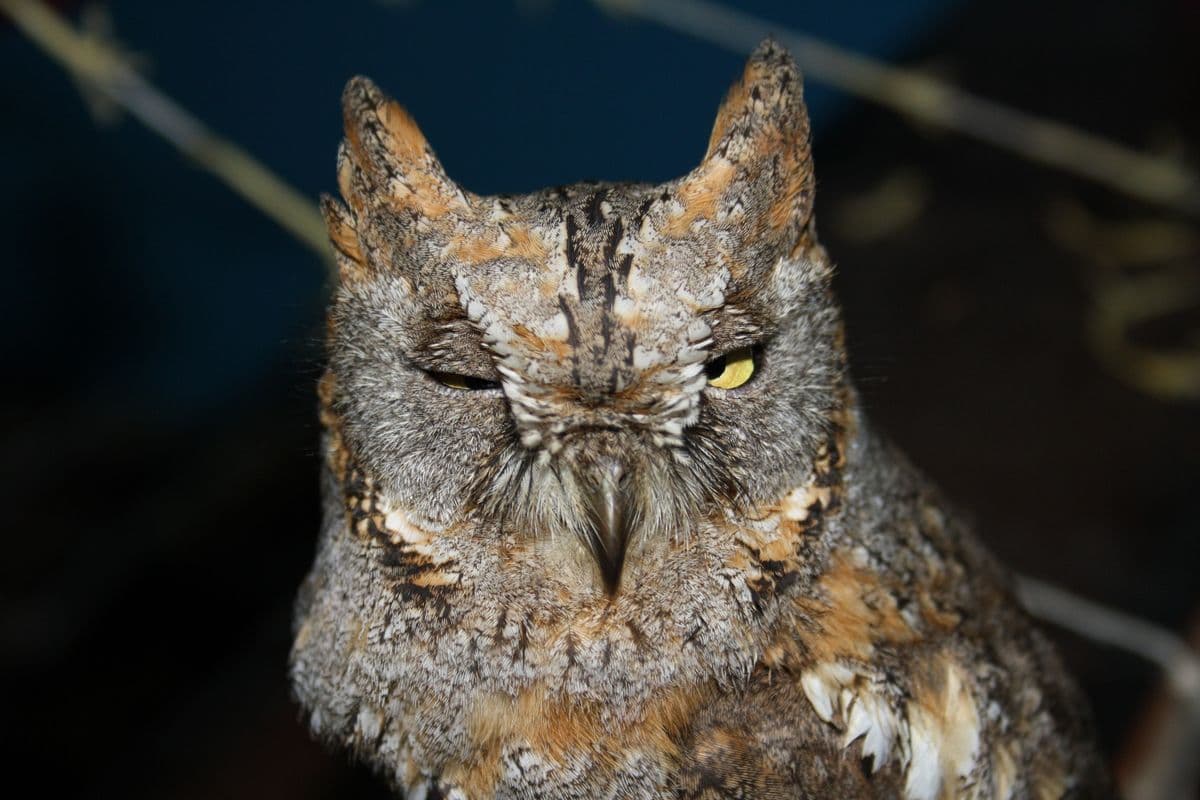
Indian Scops Owl with one eye half-open, showing distinctive ear tufts and grey-rufous plumage
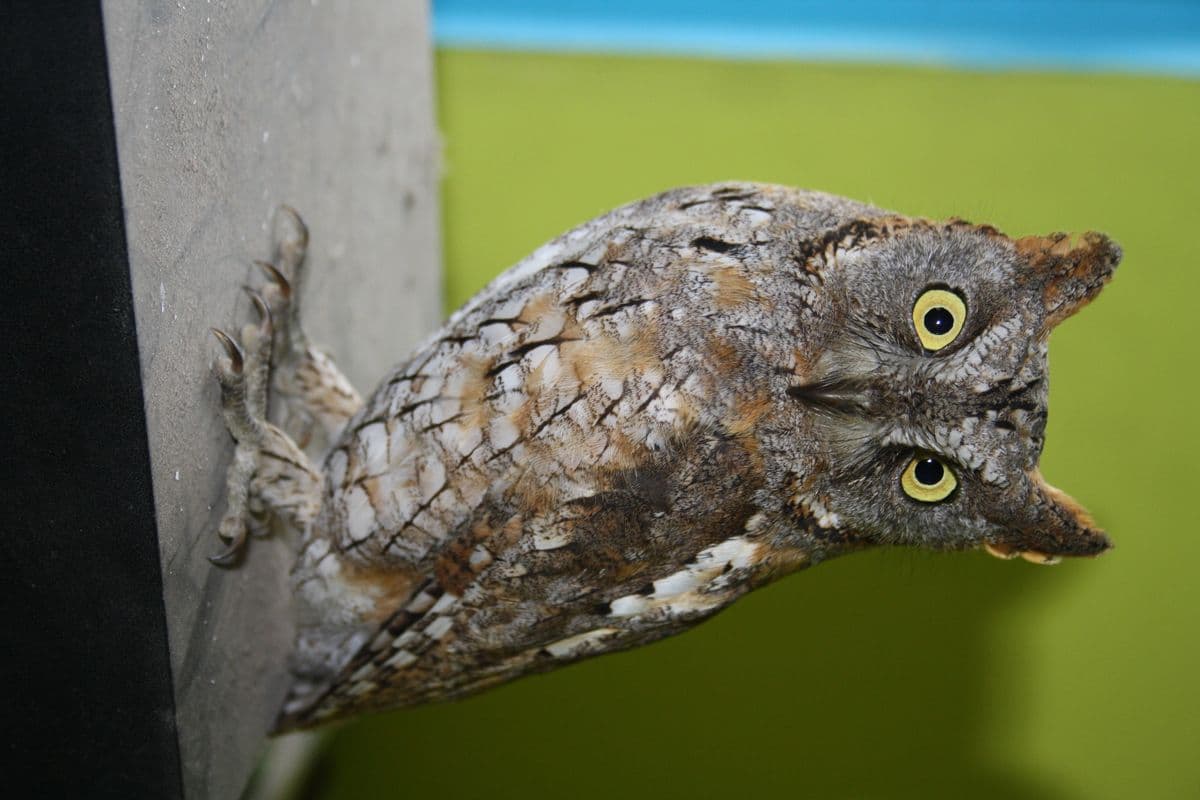
Indian Scops Owl peering sideways with bright yellow eyes, showing camouflaged feather pattern
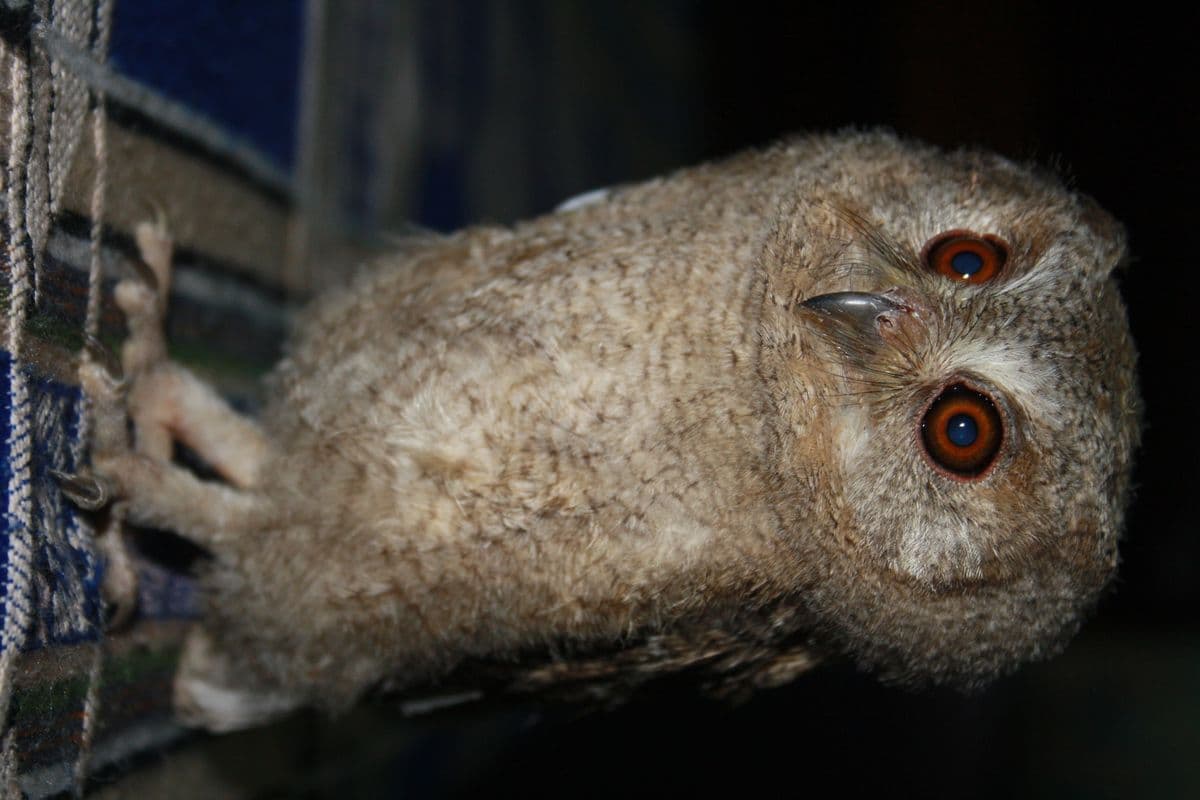
Indian Scops Owl with large orange-red eyes, perched in recovery enclosure at Wildlife Rescue
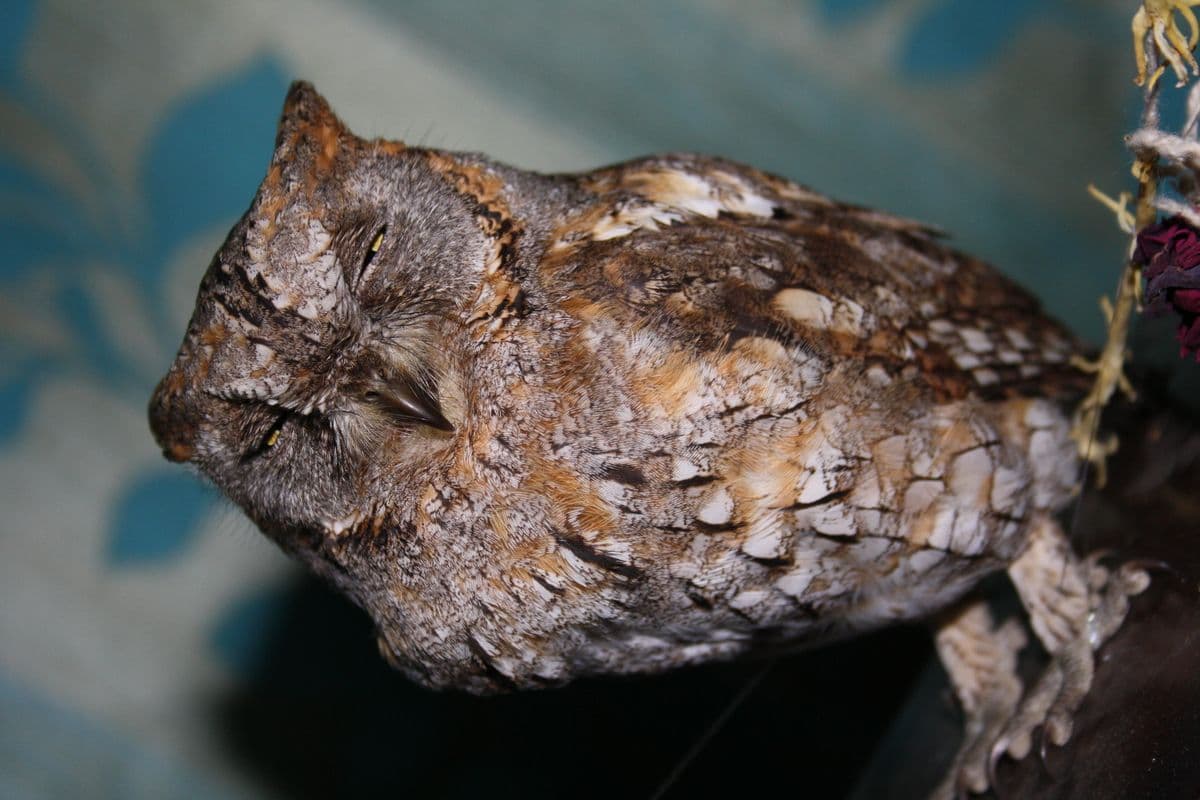
Indian Scops Owl resting with eyes closed, displaying cryptic bark-pattern plumage
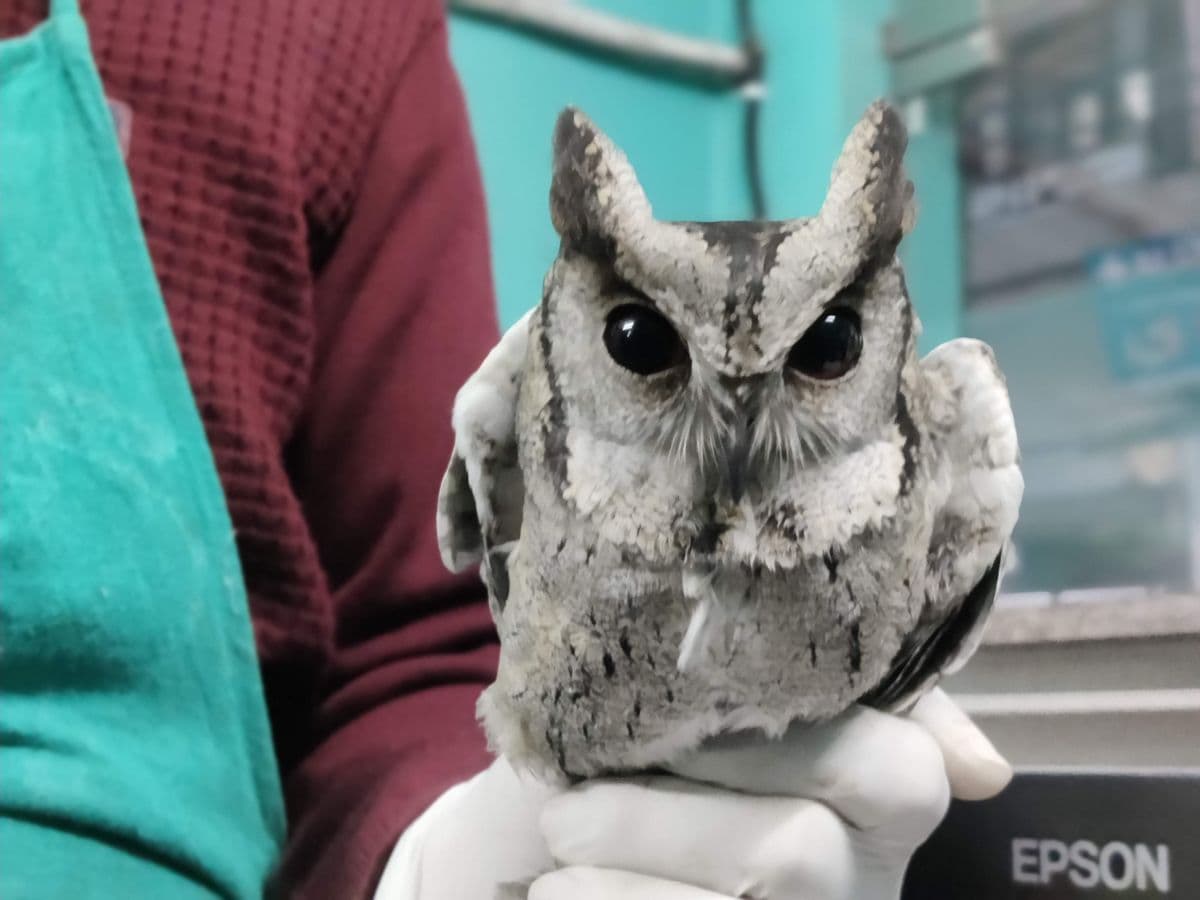
Tiny Indian Scops Owl held in gloved hands during examination, showing huge dark eyes and raised ear tufts
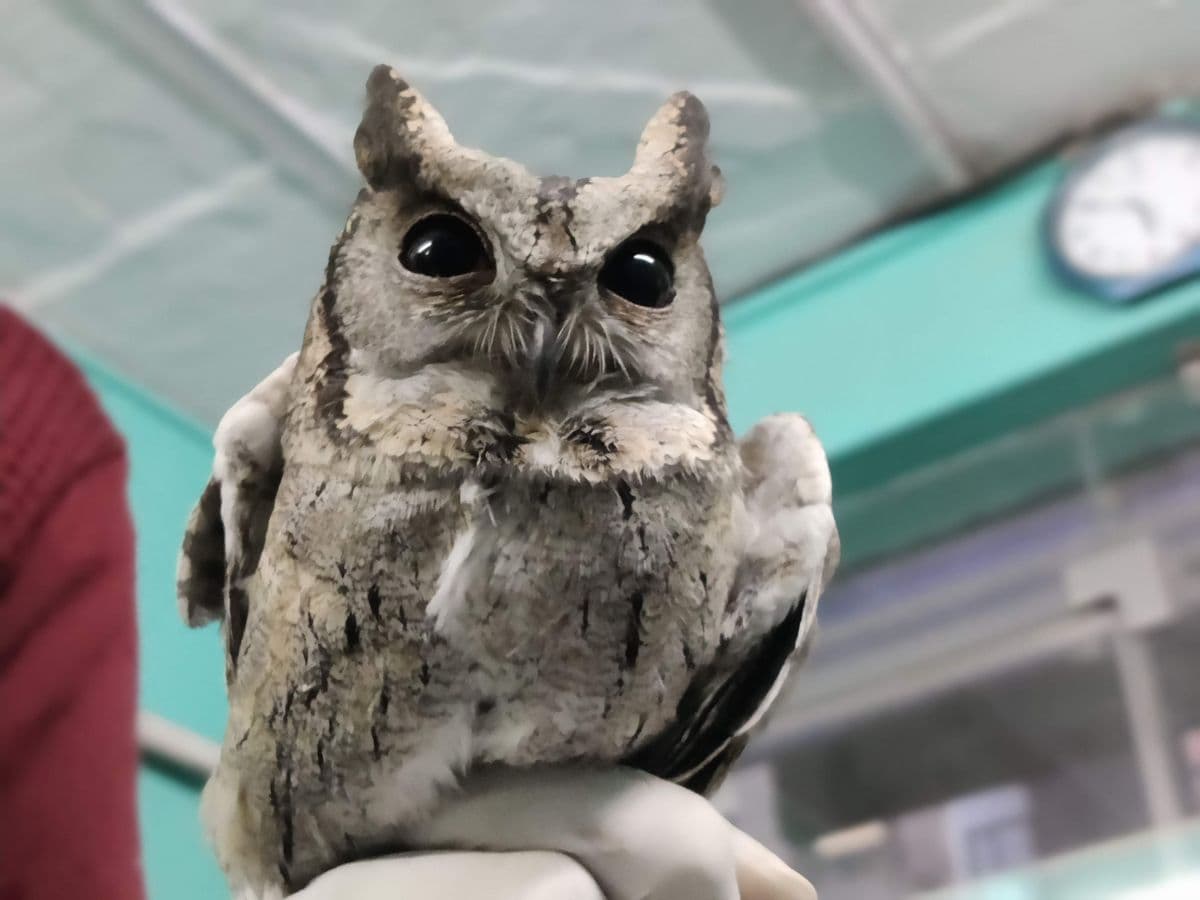
Indian Scops Owl perched on handler's hand at Wildlife Rescue clinic, displaying full grey-white plumage and alert ear tufts
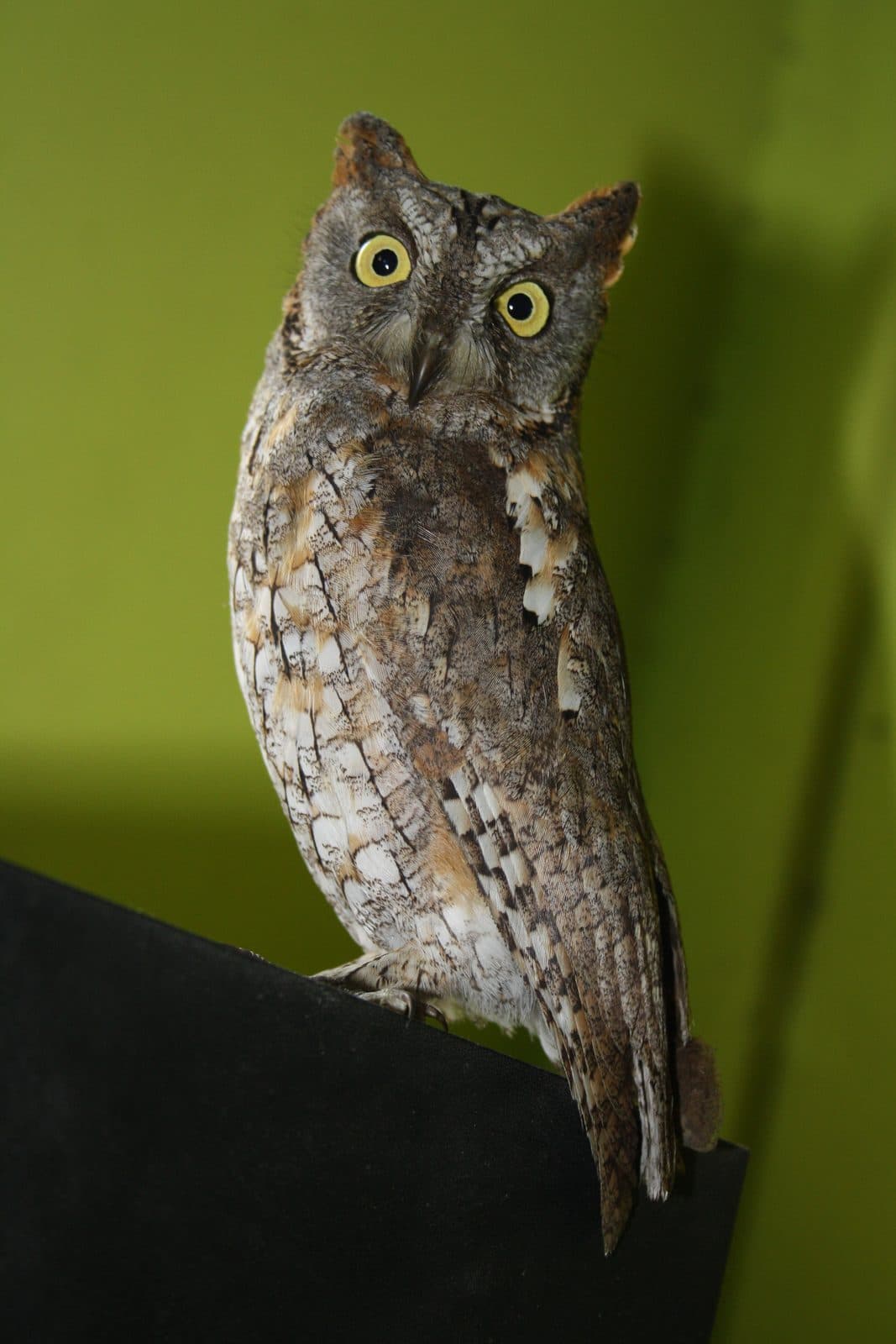
Indian Scops Owl with head turned almost upside-down, peering at camera with bright yellow eyes — a classic owl head-rotation pose against a green backdrop
An Indian Scops Owl at Wildlife Rescue — these tiny nocturnal raptors are masters of camouflage, pressing against tree bark with eyes shut to become virtually invisible
Indian Scops Owls are so perfectly camouflaged that they can roost on an open tree branch in broad daylight without being detected. They elongate their body, raise their ear tufts, and close their eyes to narrow slits — mimicking a broken branch stub with uncanny accuracy.
Your donation directly funds the rescue and rehabilitation of Indian Scops Owls and other birds in Delhi.
