Various species
Wildlife Rescue treats a growing number of wetland birds — from Painted Storks and Pond Herons to Red-naped Ibis and egrets. These birds depend on Delhi's rapidly shrinking wetlands, making each rescue both a wildlife emergency and an indicator of ecosystem health.
of total intake
treated annually
Marshes, riverbanks, lakes, ponds, and flooded agricultural fields. In Delhi, the Yamuna floodplain, Okhla Bird Sanctuary, Najafgarh Jheel, and Sultanpur National Park are key wetland habitats.
Delhi sits on the Central Asian Flyway — one of the world's great migratory routes. Resident species are joined by thousands of migratory waterbirds from Siberia, Central Asia, and Europe every winter (October–March).
Varies by species: herons and egrets hunt fish and frogs; ibises probe mud for invertebrates; storks forage in shallow water; pond herons wait motionless for prey to come within striking distance.
Ranges from small (Pond Heron at 42–45 cm) to very large (Painted Stork at 93–102 cm, wingspan 150–160 cm). Includes diverse body plans — waders, swimmers, and divers.
Many wetland species are colonial nesters, forming large breeding colonies (heronries) in trees near water. Delhi's Yamuna supports nesting colonies of Painted Storks, egrets, and cormorants. Winter migrants form large flocks at Okhla and Najafgarh.
Yamuna pollution is the #1 threat — industrial effluents, sewage, and agricultural runoff poison fish and contaminate wading areas. Habitat loss from wetland drainage and encroachment. Fishing line and net entanglement. Monsoon flooding displaces nests.
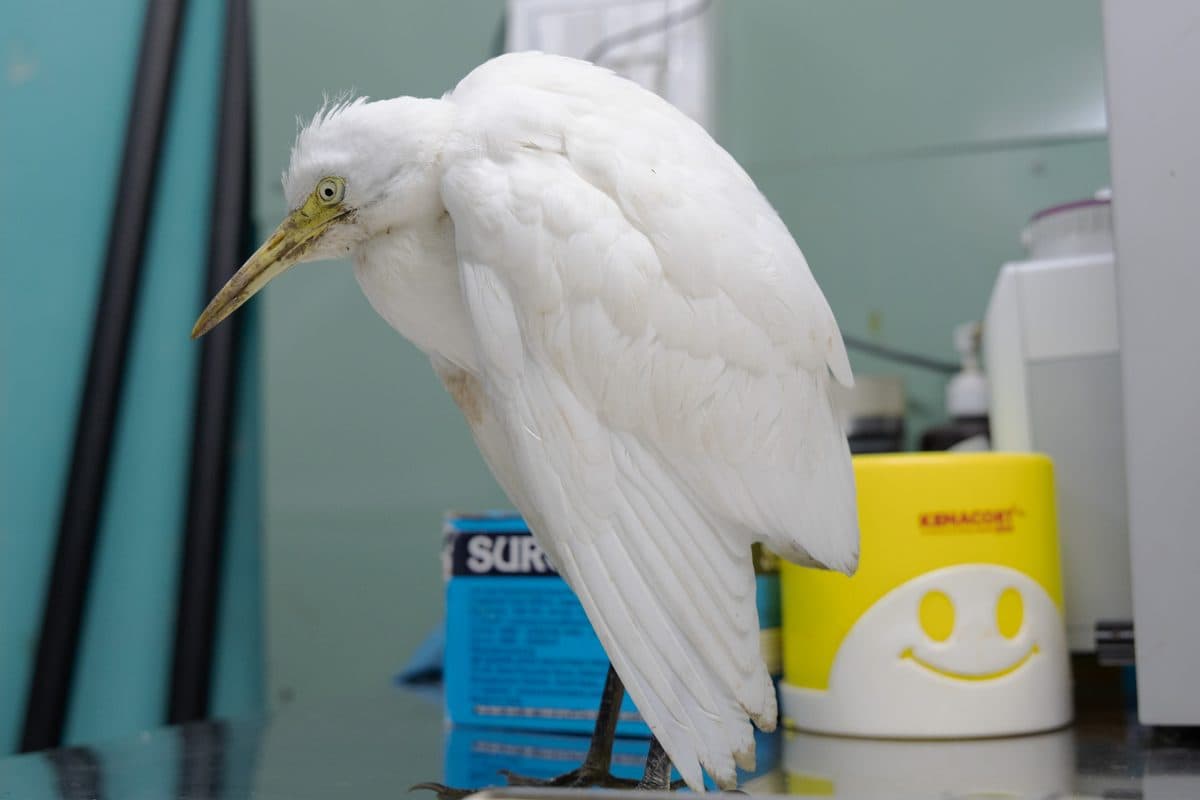
Cattle Egret perched on examination table at Wildlife Rescue clinic
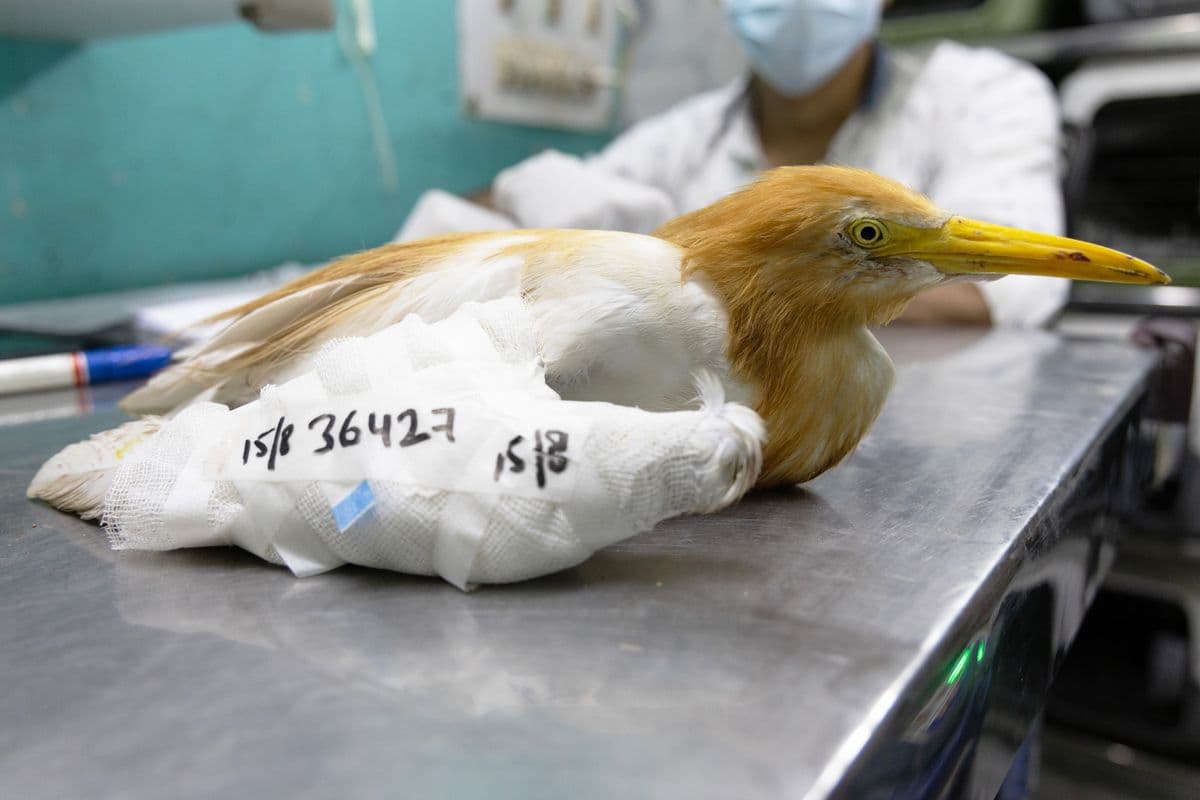
Cattle Egret with bandaged wing on clinic examination table — case number visible on wrapping during treatment at Wildlife Rescue
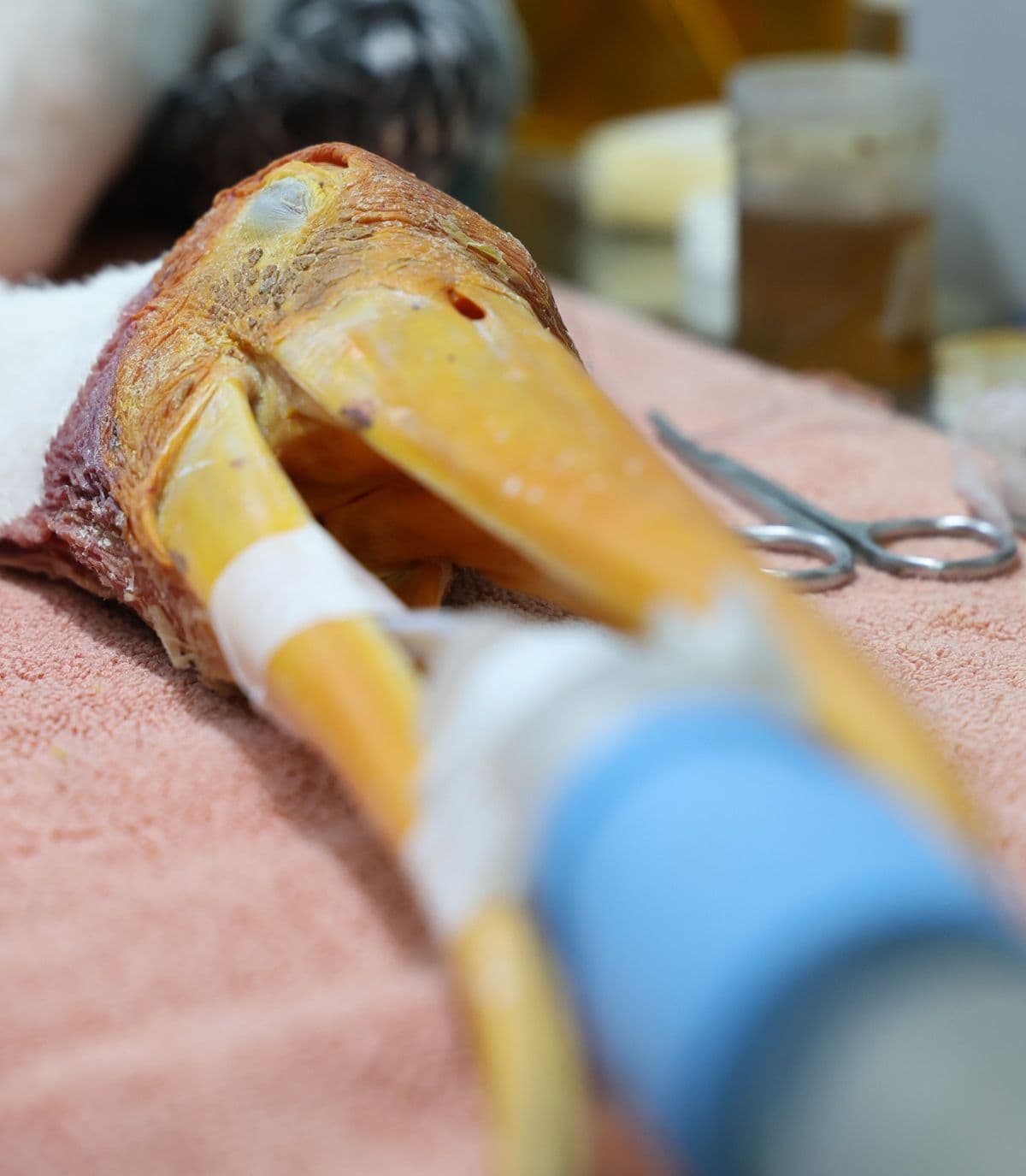
Painted Stork under treatment with endotracheal tube — close-up of distinctive yellow-orange beak during surgical procedure at Wildlife Rescue
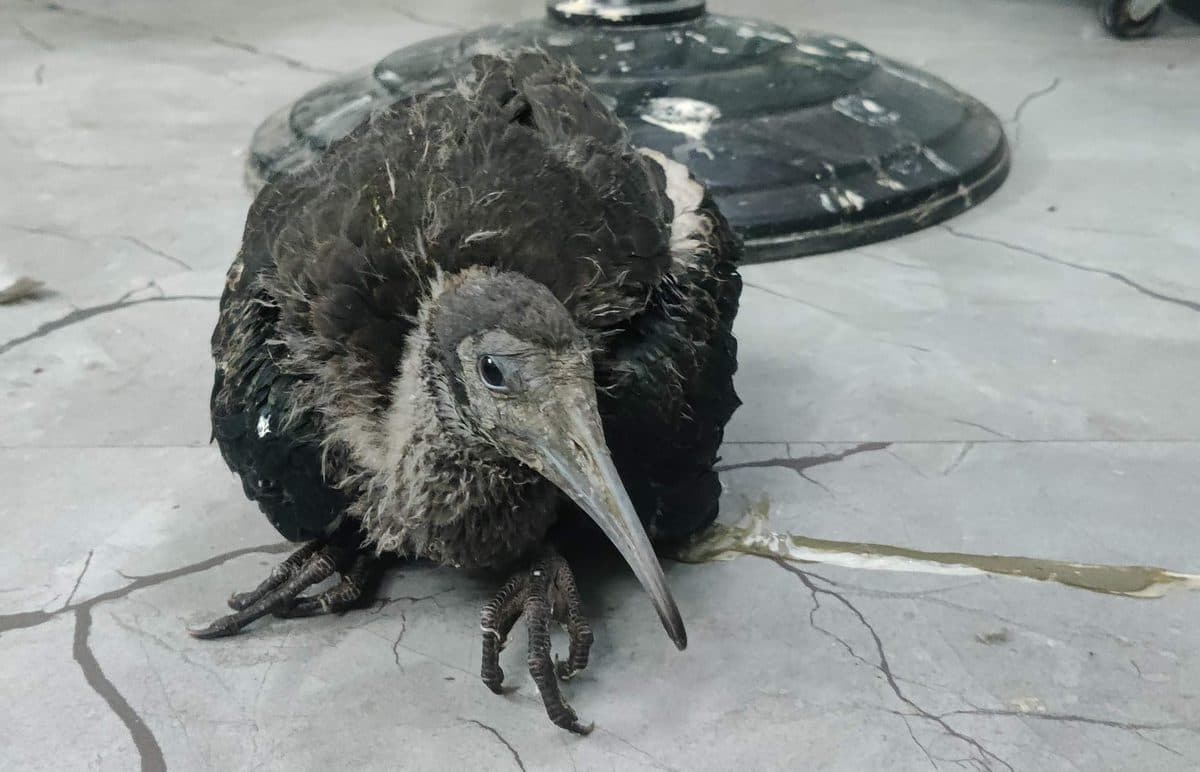
Black Naped Ibis in care at Wildlife Rescue — showing the species' distinctive black neck patch and long curved bill
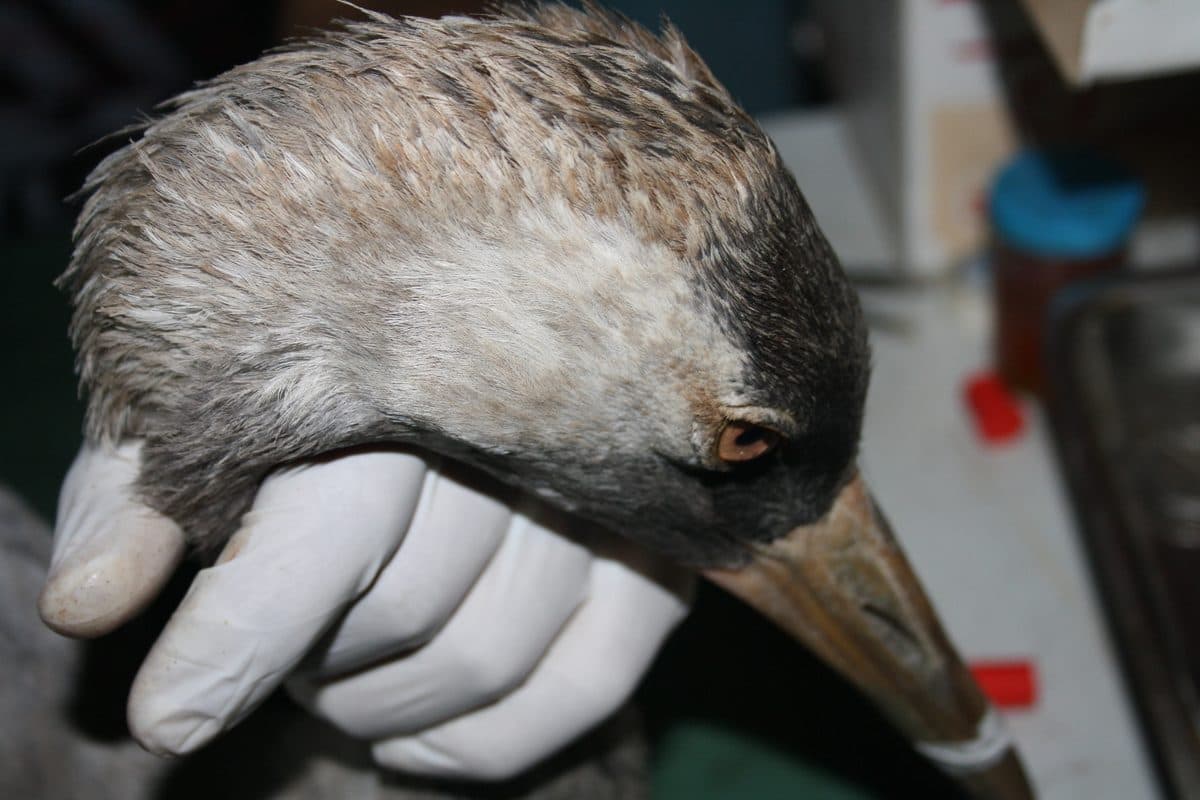
Crane in care at Wildlife Rescue clinic
Pond Herons recovering at Wildlife Rescue — one of the many wetland species treated at the clinic
A Cattle Egret in care at Wildlife Rescue — these common wetland birds are increasingly admitted with injuries from urban hazards and habitat loss along the Yamuna
Delhi's Okhla Bird Sanctuary, where the Yamuna meets the Agra Canal, hosts over 300 bird species — making it one of the richest birding sites in any major world capital. In winter, you can see Siberian migrants alongside Delhi's resident waterbirds.
Your donation directly funds the rescue and rehabilitation of Wetland Birdss and other birds in Delhi.
