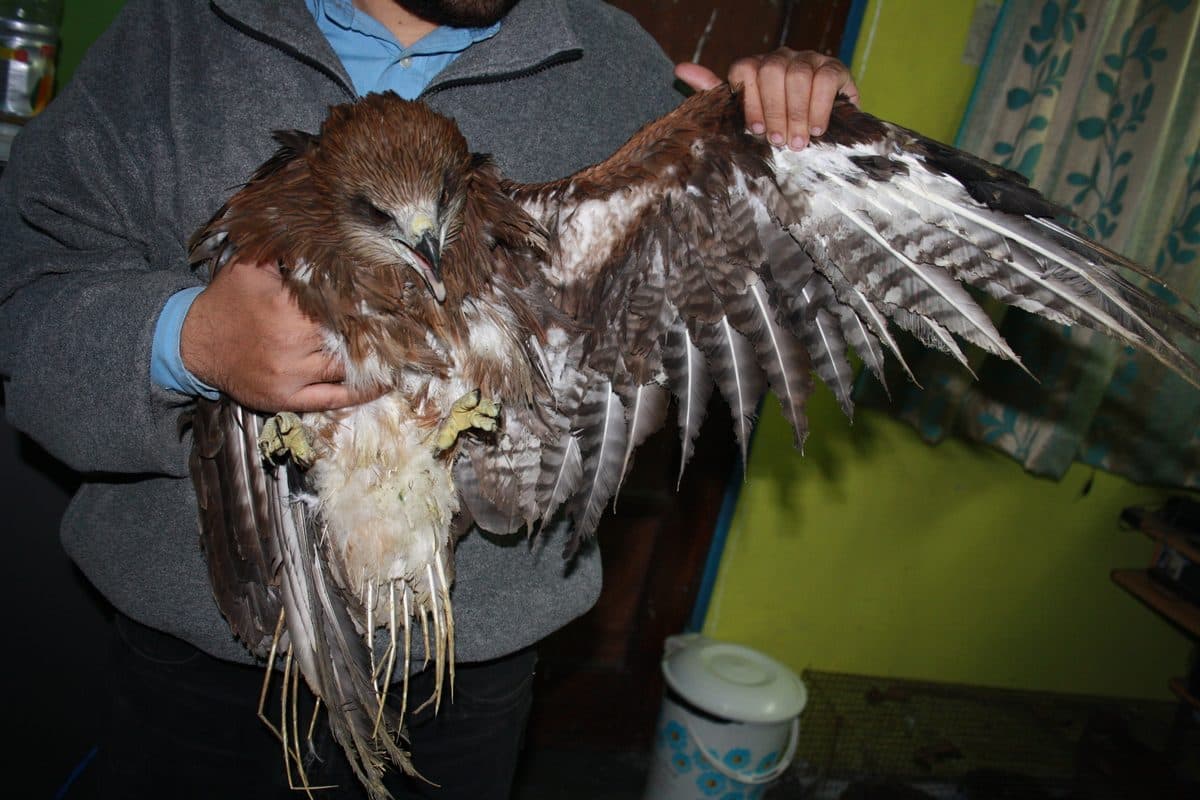
Burns from methane gas ignition at landfills and industrial sites — one of Delhi's most severe and distinctive urban hazards for raptors.
of total cases
treated annually
avg. recovery time
Delhi's vast landfills — Ghazipur, Bhalswa, Okhla — generate enormous quantities of methane from decomposing organic waste. Kites, vultures, and other scavenging raptors that feed at these sites are at constant risk of methane gas ignition events. When methane pockets ignite, birds caught nearby suffer severe burns to their feathers, skin, feet, and wing tips. The burns are often deep and can involve large surface areas, making them among the most challenging cases Wildlife Rescue treats. Kites are especially vulnerable because landfills are prime feeding grounds for them. Methane burn cases increased significantly as Delhi's landfills grew — Ghazipur alone exceeds the height of the Qutub Minar. Chemical contamination from industrial waste at these same sites adds another layer of complexity to treatment.
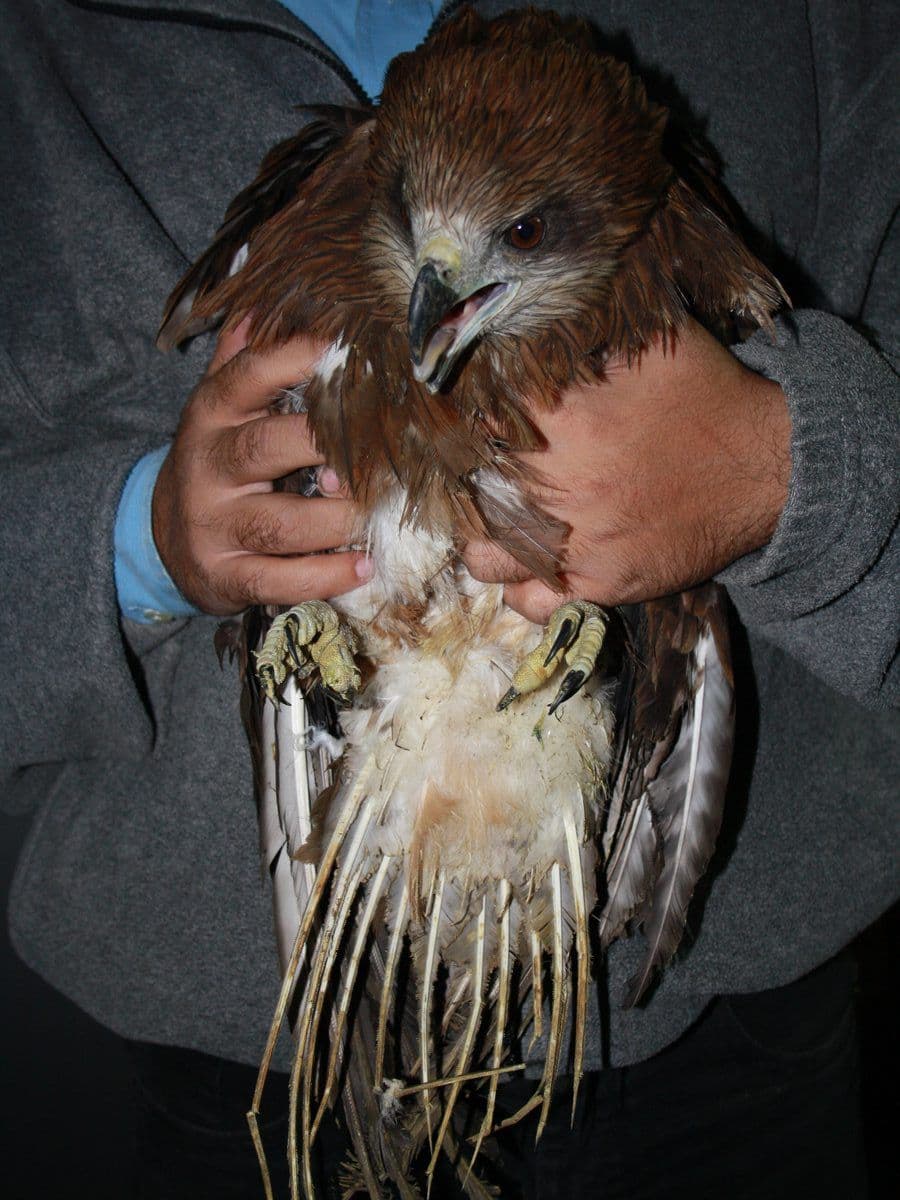
Methane burn case — close-up of burn wounds being assessed at Wildlife Rescue
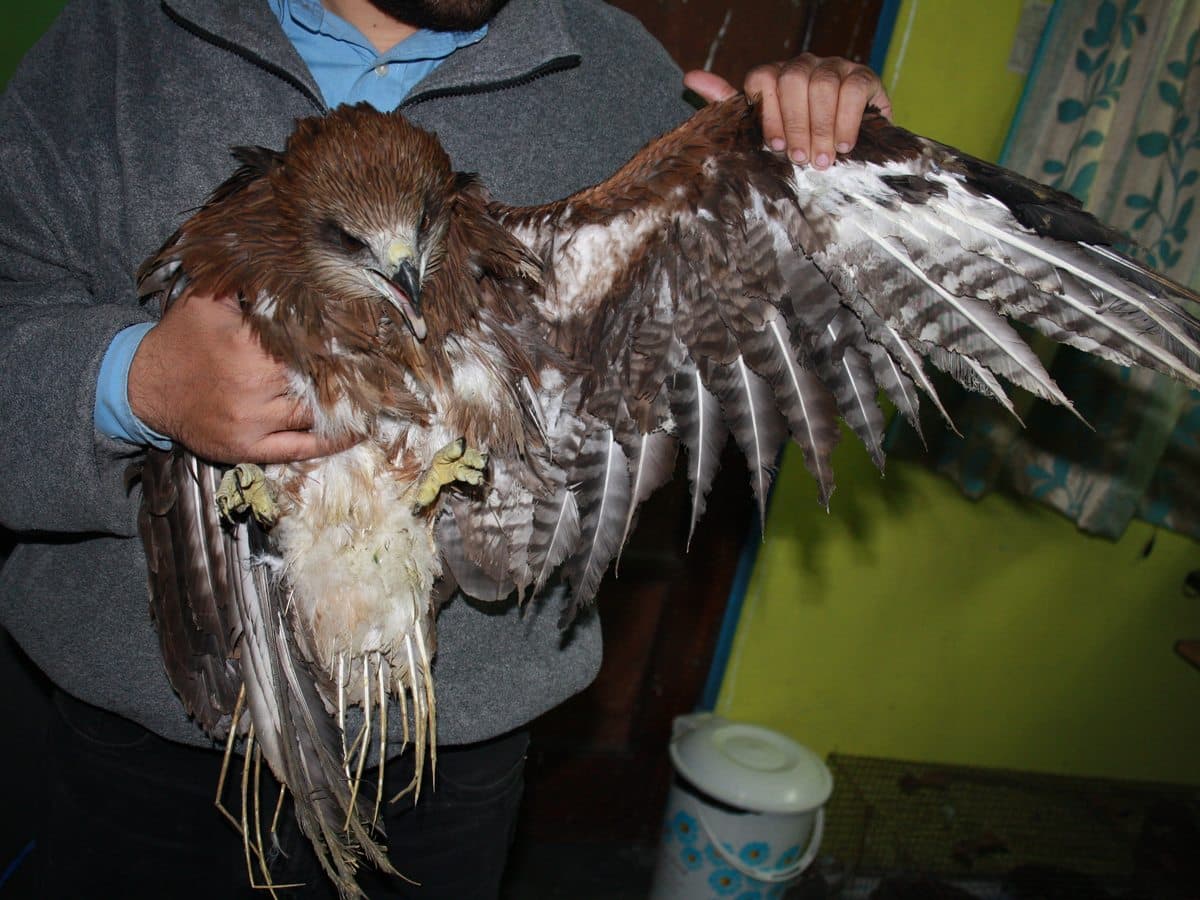
Raptor recovering from methane burn injuries — treatment in progress at Wildlife Rescue clinic
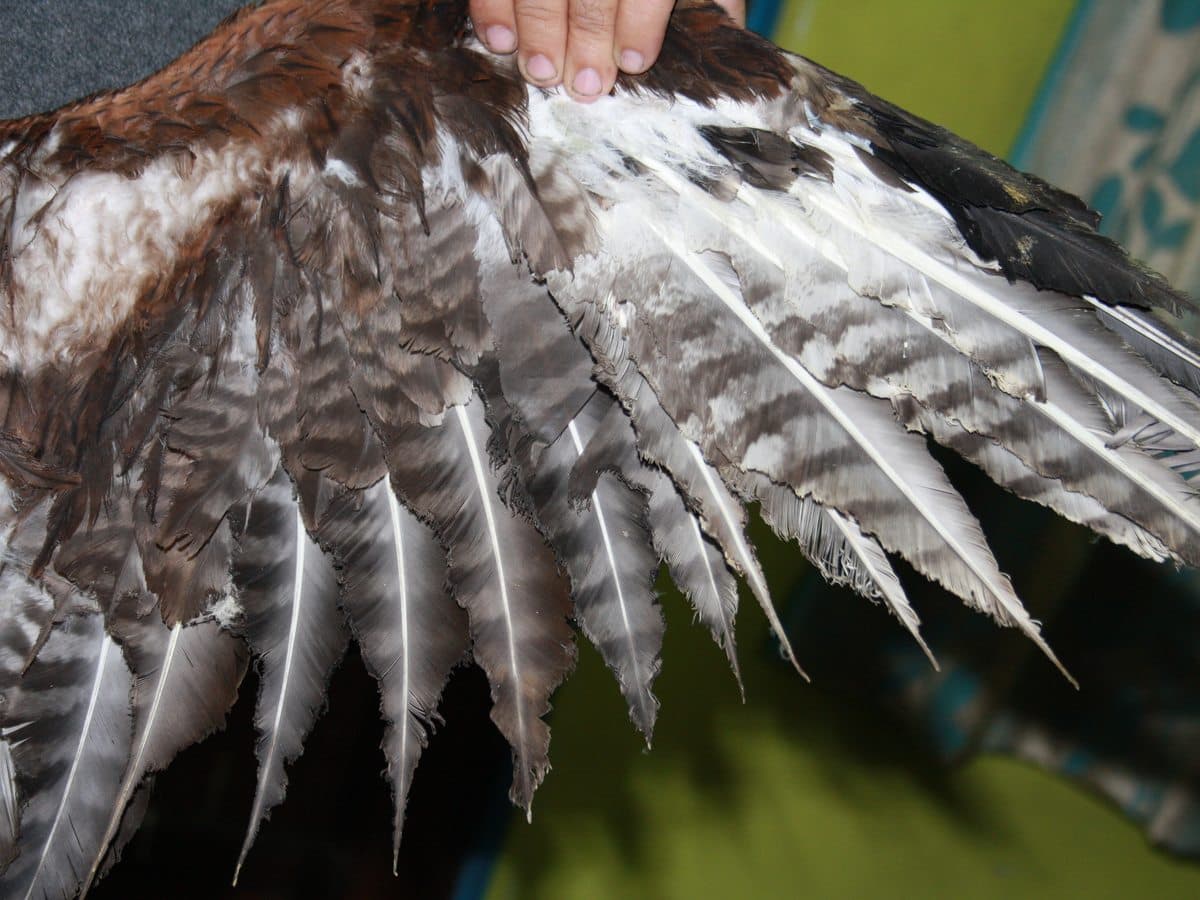
Bird with methane burn damage to wing and body — Wildlife Rescue clinic, early case
Average recovery time: 8–20 weeks
This Black Eared Kite arrived from a landfill site with severe burns across its wing and body from a methane gas ignition event. The singed feathers and damaged skin required weeks of careful wound management and laser therapy. Cases like this — a migratory bird from Central Asia, fatally unfamiliar with Delhi's industrial hazards — illustrate why landfill management is as much a conservation issue as it is a public health one.
Your donation directly funds the treatment and rehabilitation of birds suffering from methane & chemical burns.
