3,500+ birds every year. From manja lacerations to fractures, orphans, and infectious diseases — every case gets expert care.
Cases per year
Species treated
Years of expertise
Click on any condition to learn about causes, symptoms, treatment, and real case studies from our facility.
Manja string laceration on wing
Post-surgery wound repair
The #1 injury we treat. Manja (glass-coated kite string) causes devastating cuts to wings, legs, and bodies of Delhi's raptors.
X-ray of wing fracture
Surgical pin placement
Broken wings and legs from vehicle collisions, electrocution, and falls. Complex fractures require surgical pinning and months of rehabilitation.
Orphaned Black Kite chick
Hand-feeding juvenile raptor
Baby birds that fall from nests, are abandoned, or lose their parents. Raising them to independence requires species-specific care over weeks to months.
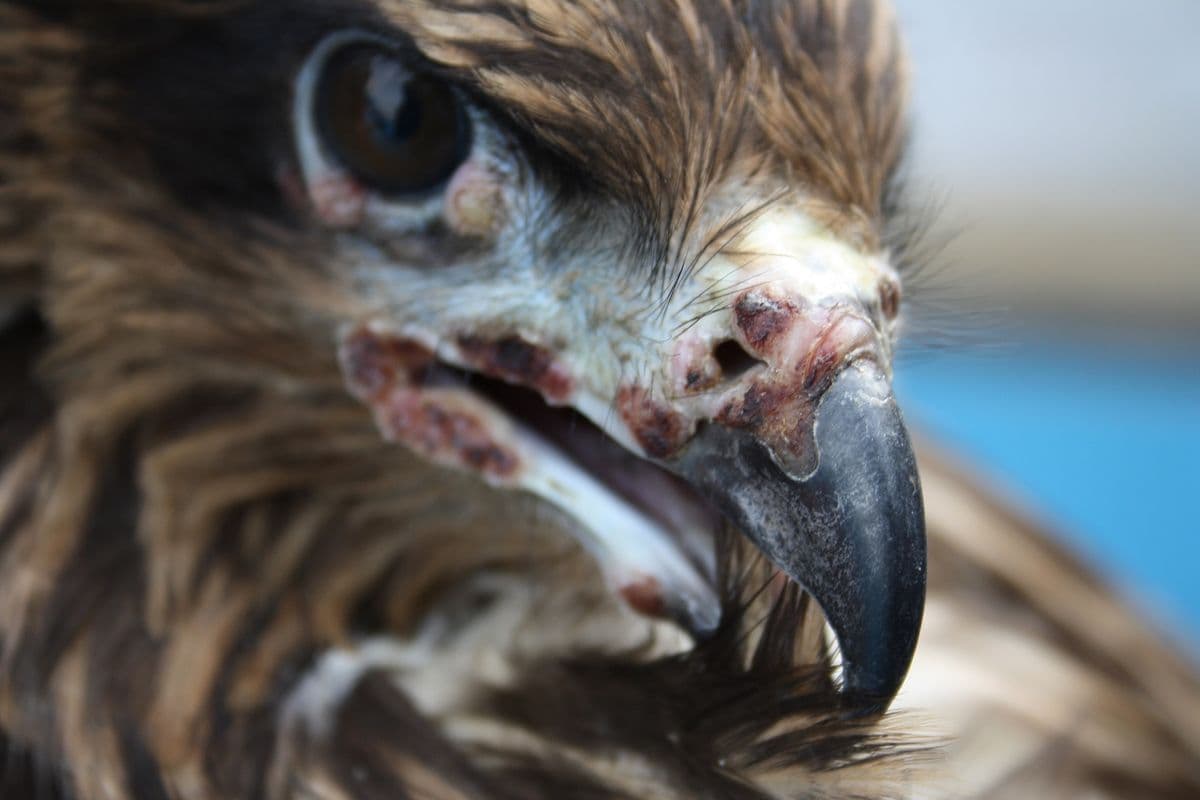
A viral disease seen only in juvenile birds, causing wart-like growths on skin, feet, and around the eyes. Can blind birds and prevent feeding if untreated.
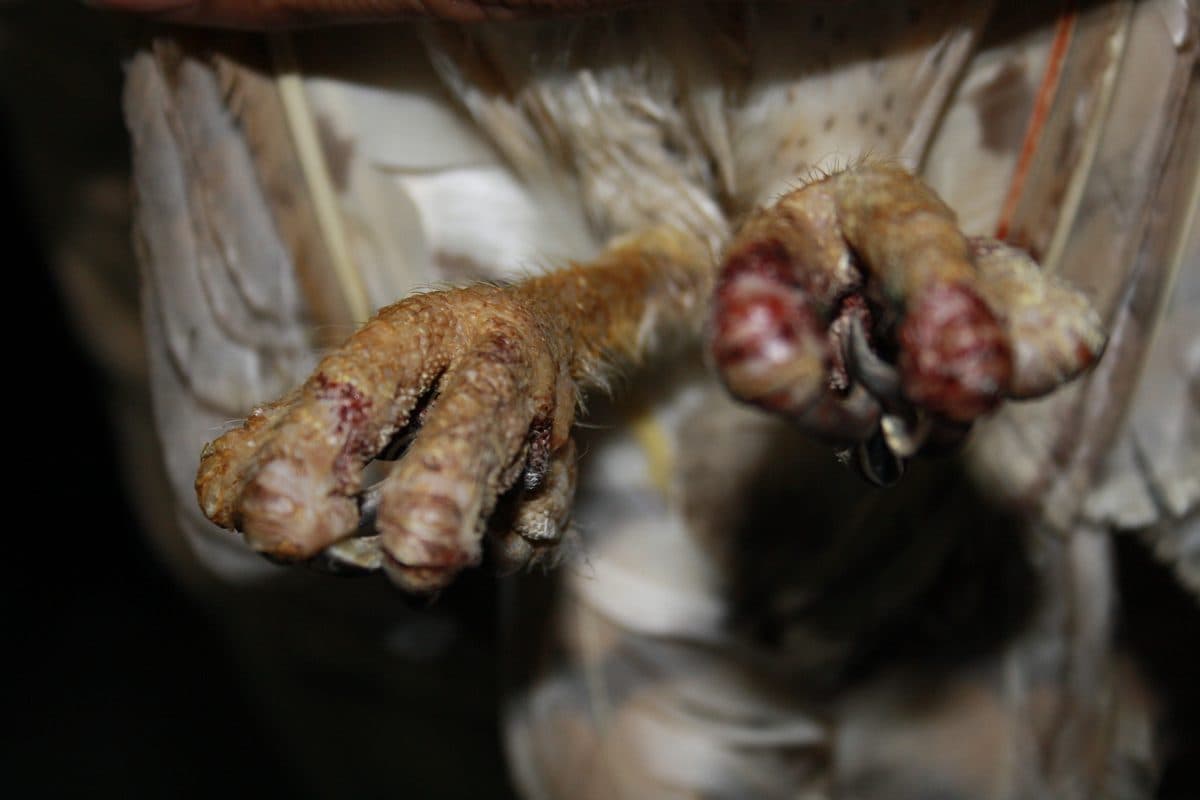
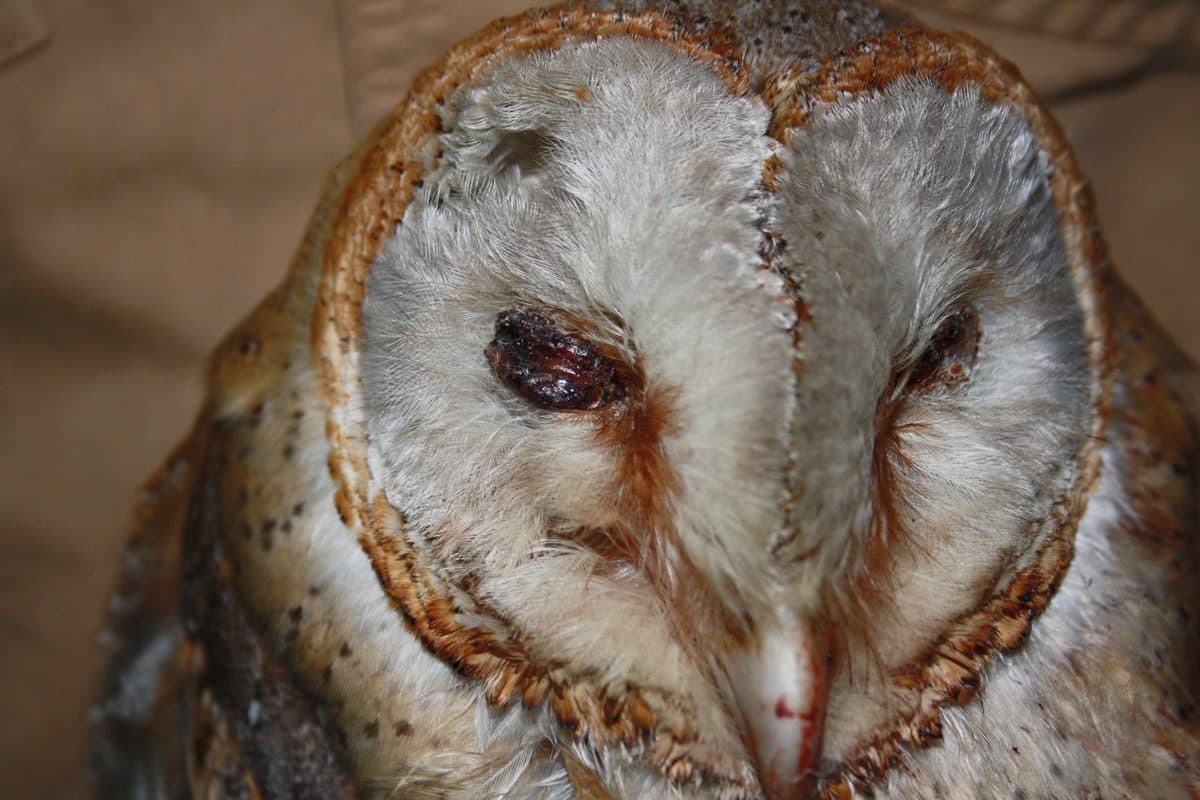
Life-threatening blood infections from untreated wounds, contaminated environments, or secondary to other diseases. Requires aggressive antibiotic therapy.
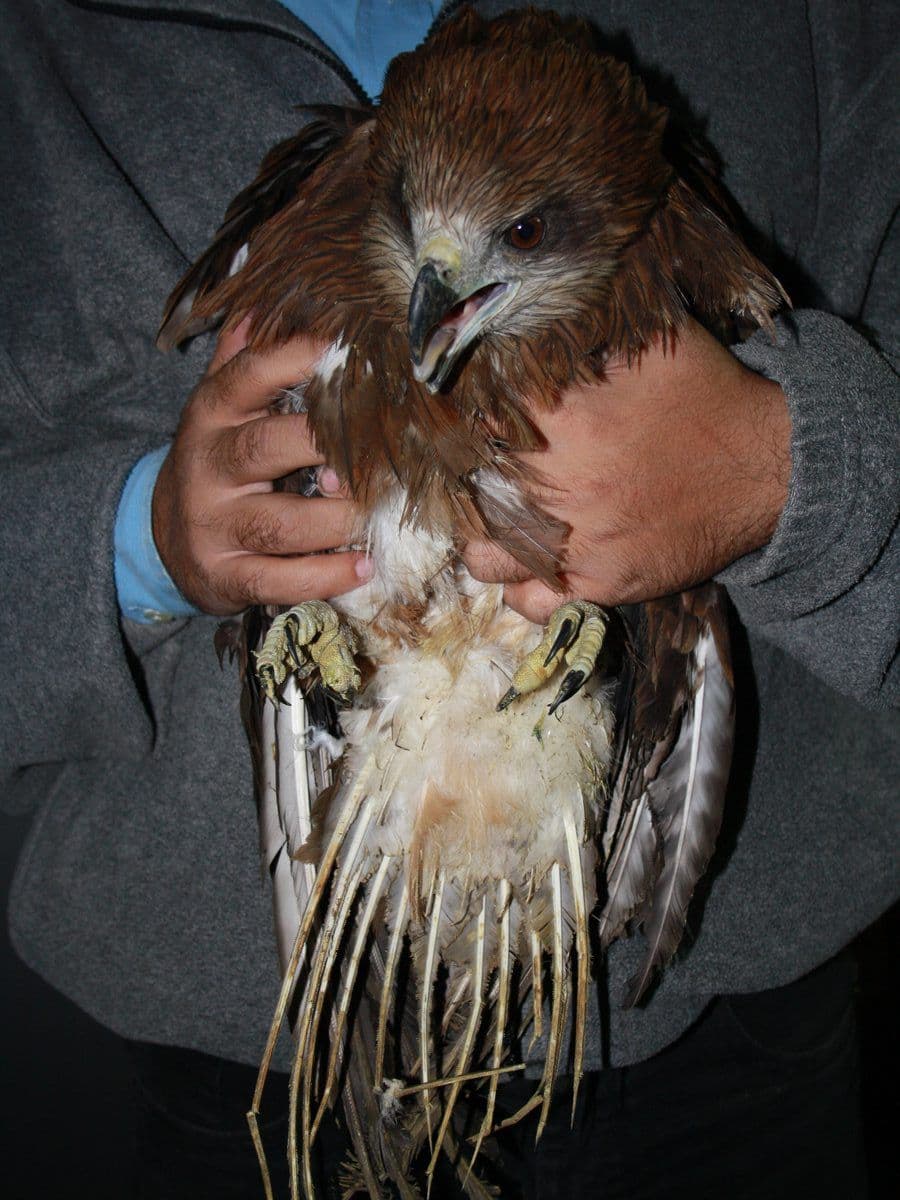
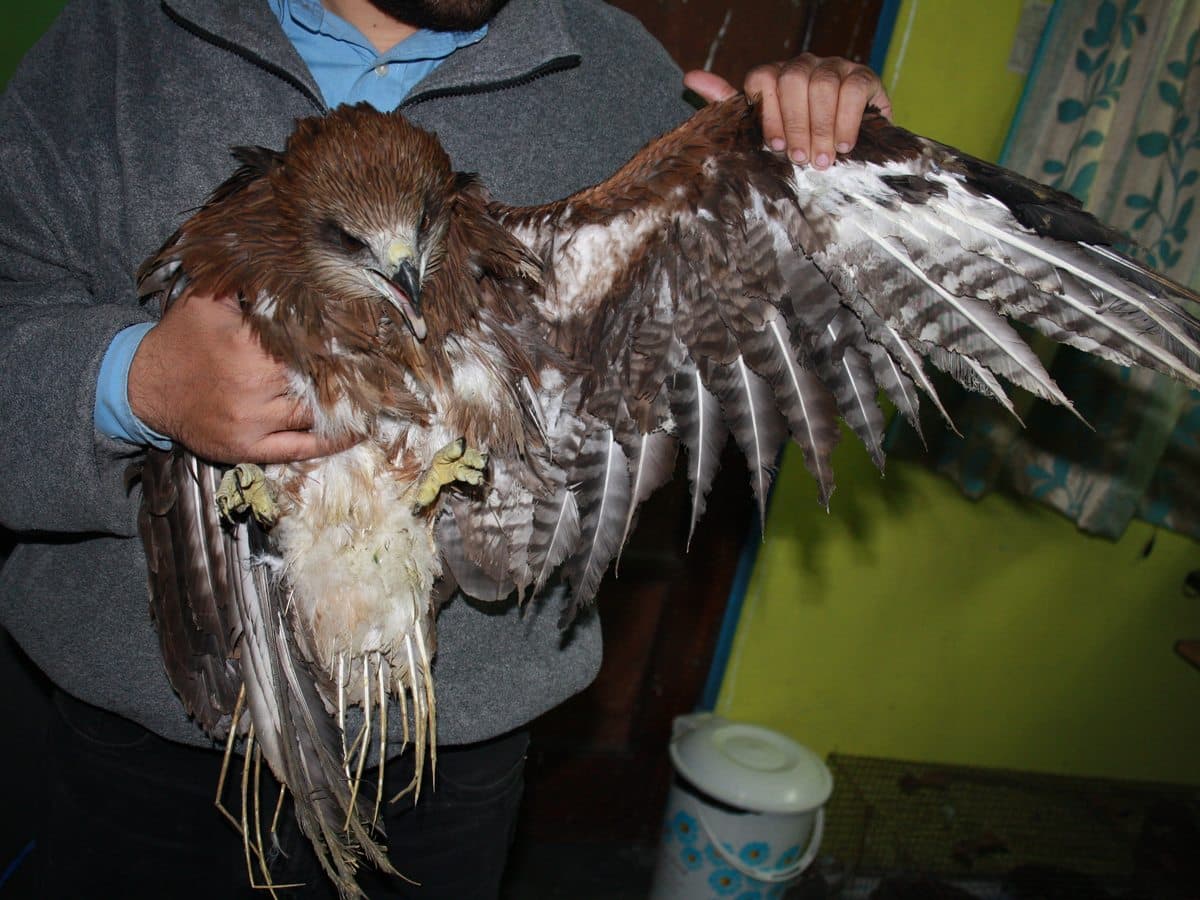
Burns from methane gas ignition at landfills and industrial sites — one of Delhi's most severe and distinctive urban hazards for raptors.
Electrocution burn on feet
Poisoning treatment in progress
Poisoning, electrocution burns, eye injuries, metabolic bone disease, lead toxicity, and other conditions that don't fit neatly into one category.
From rescue call to release — every bird follows a structured treatment pathway.
Bird is brought to our facility or rescued by our team. Initial triage assessment within minutes.
X-rays, lab work, surgical intervention as needed. Species-specific treatment protocols begin immediately.
Controlled recovery environment. Physiotherapy, flight conditioning, and gradual reintroduction to natural behavior.
When fully recovered, birds are released at appropriate habitat. Location and timing are carefully chosen for survival.
Call us immediately. Do not try to feed the bird or give water. Keep it in a dark, quiet box and bring it to us as soon as possible.
Every donation funds the surgery, medication, and rehabilitation that gives injured birds a second chance at life.
