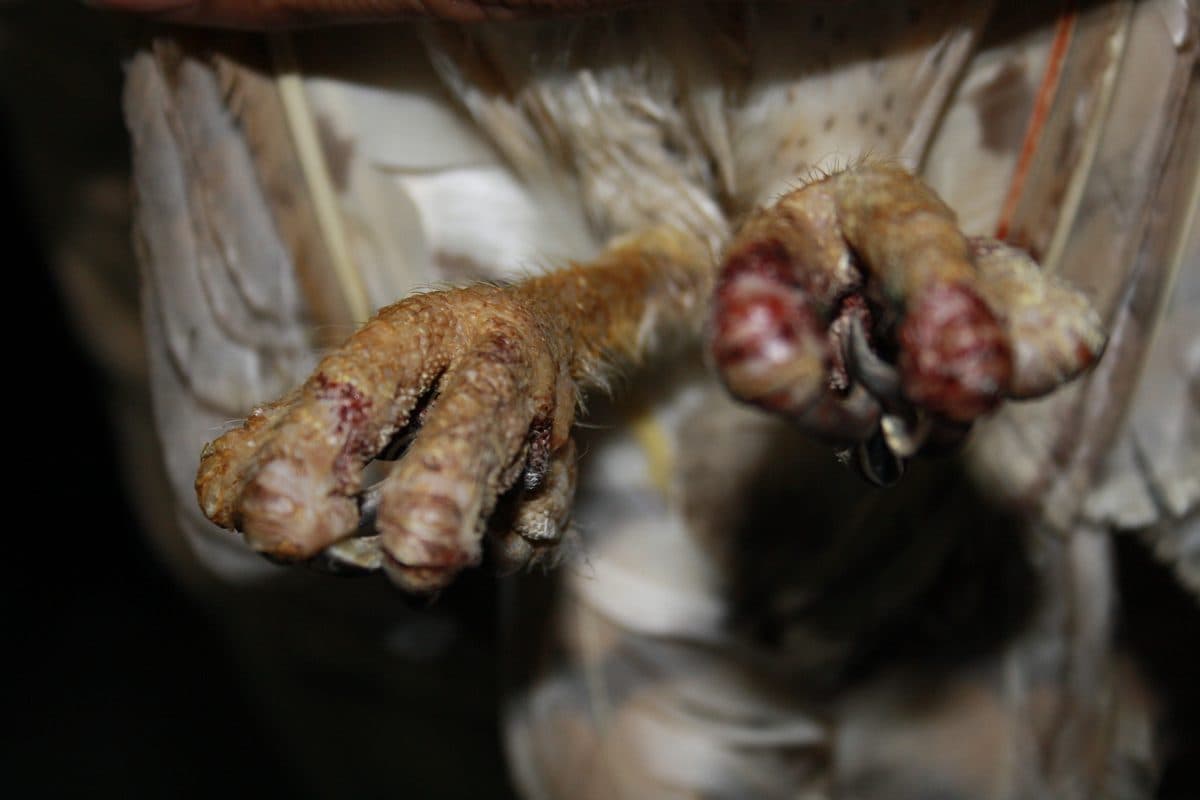
Life-threatening blood infections from untreated wounds, contaminated environments, or secondary to other diseases. Requires aggressive antibiotic therapy.
of total cases
treated annually
avg. recovery time
Septicemia — bacterial infection of the bloodstream — is one of the most dangerous conditions Wildlife Rescue encounters. It accounts for approximately 2.5% of cases and has one of the highest mortality rates. Septicemia typically develops as a secondary complication: an untreated wound becomes infected, bacteria enter the bloodstream, and the infection becomes systemic. In Delhi's warm, humid environment, wounds become infected rapidly — often within hours. Birds brought in with old, untreated injuries frequently present with septicemia. The condition is also common in birds weakened by other diseases, malnutrition, or prolonged stress. Treatment is a race against time: aggressive antibiotic therapy must begin immediately, combined with fluid support and nutritional rehabilitation. Despite our best efforts, septicemia carries a significant mortality rate — early intervention is critical.
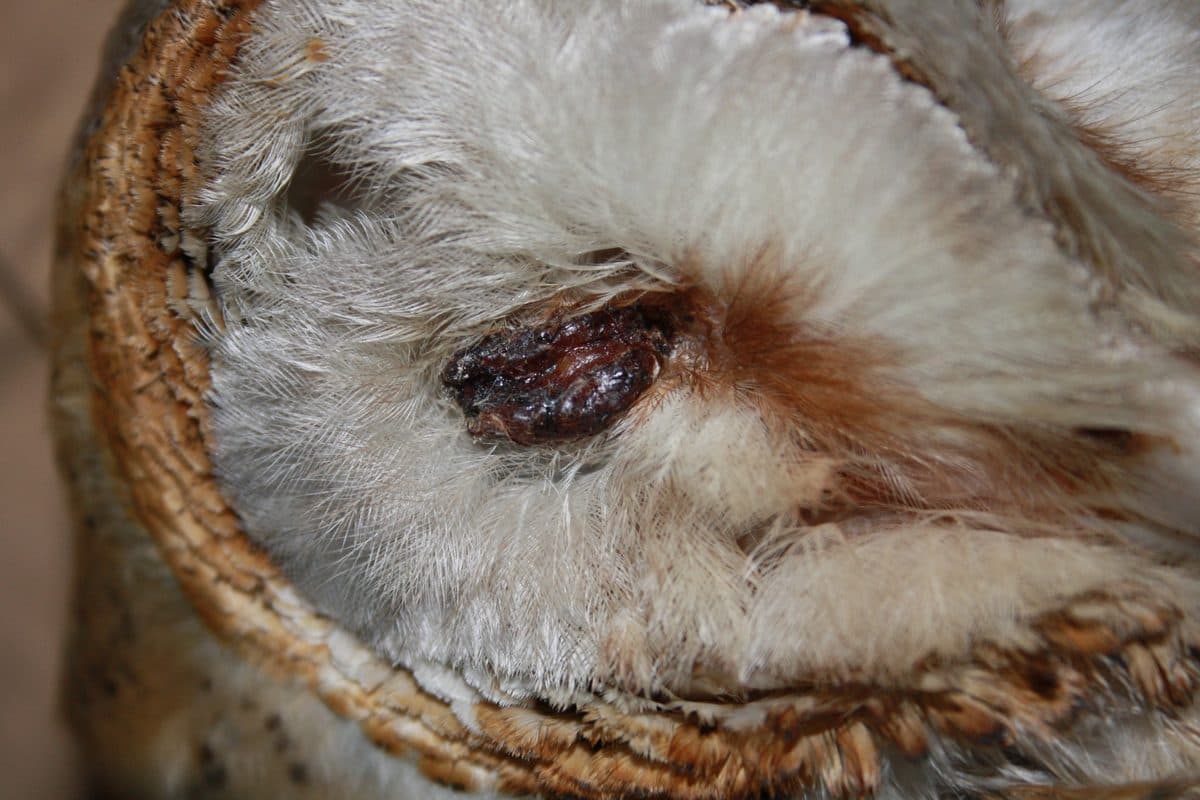
Barn Owl with infected eye wounds from septicemia
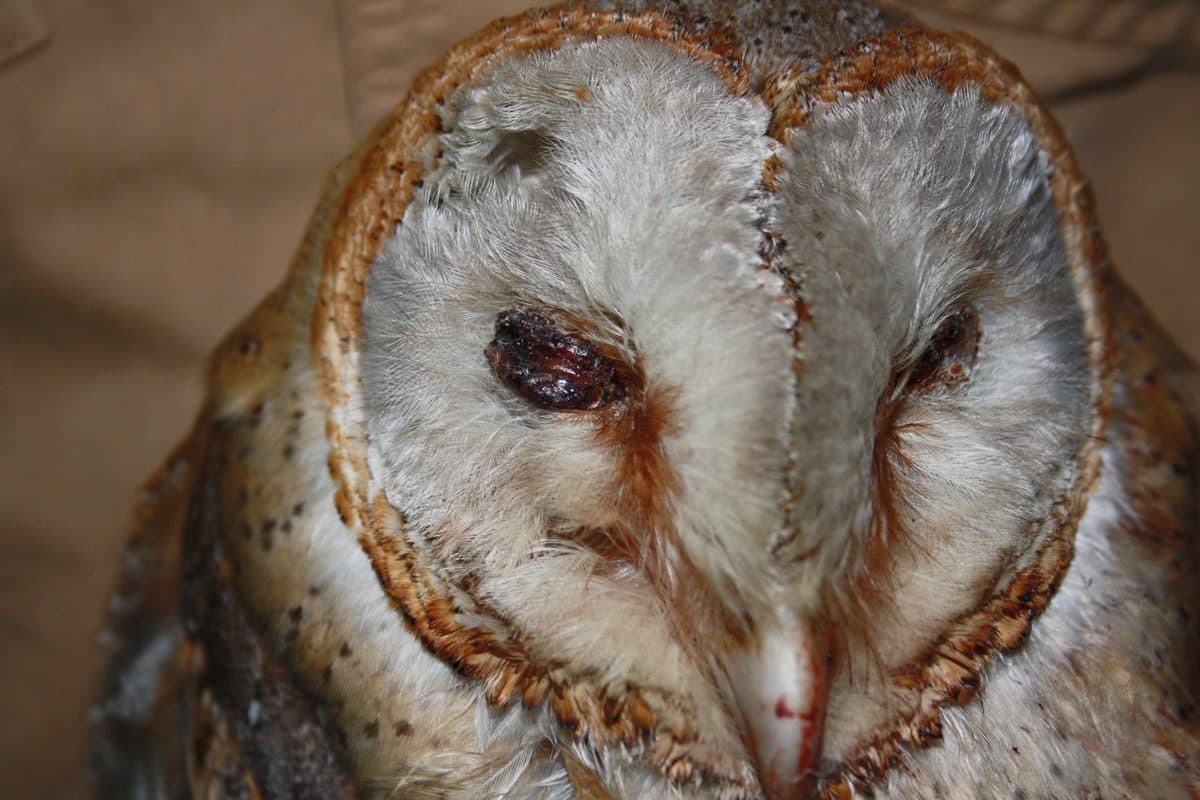
Close-up of infected eye wound on Barn Owl
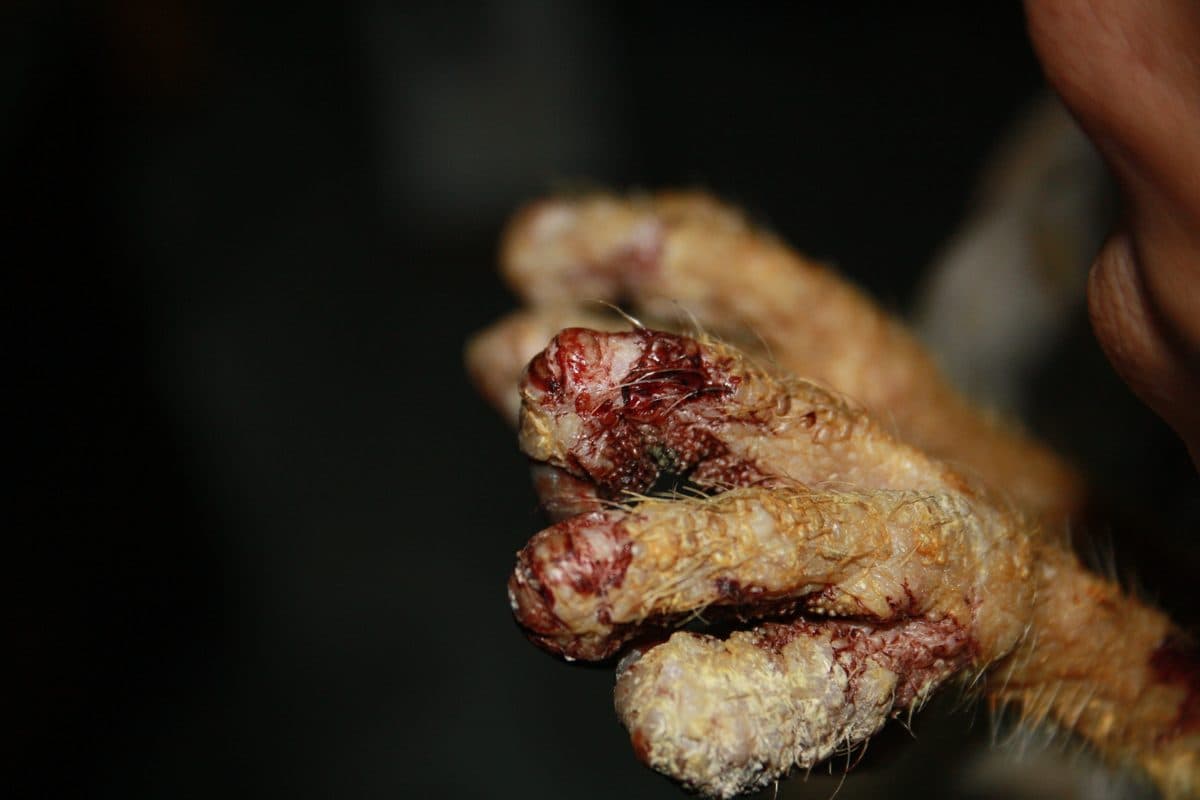
Infected feet showing tissue damage from septicemia
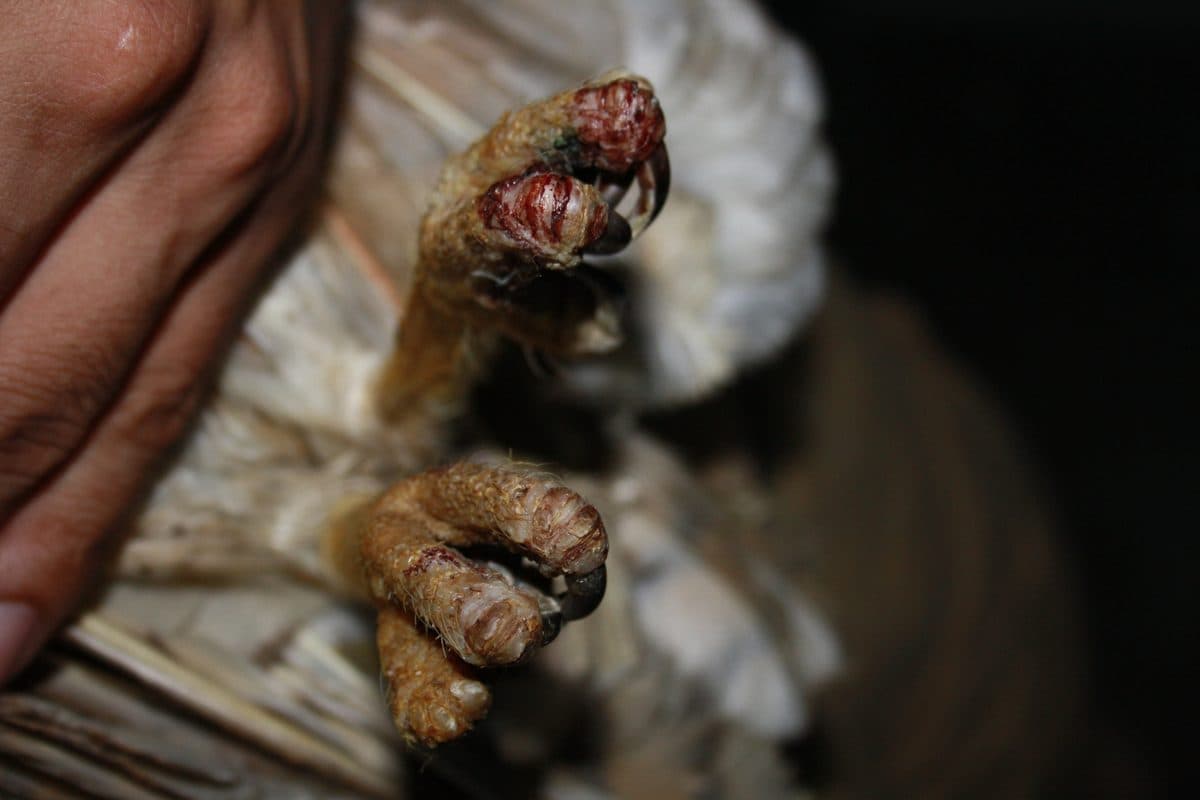
Close-up of infected foot with tissue damage
Examining infected raptor feet during treatment
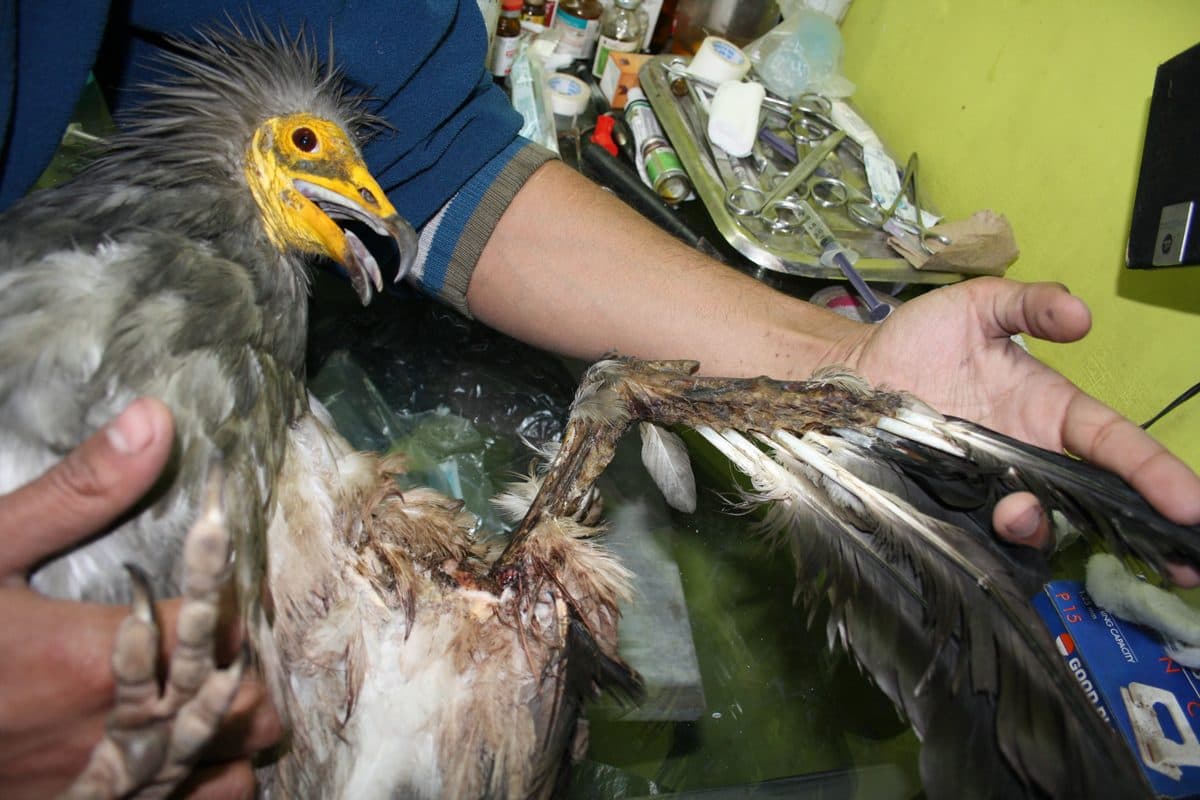
Sultan the Egyptian Vulture in care at Wildlife Rescue — an endangered bird being treated for septicemia
Average recovery time: 2–6 weeks (if bird survives the critical first 72 hours)
Photo Placeholder
Found on the roadside in Wazirabad with an old manja wound on the left wing — at least a week old and severely infected. By the time Veera arrived, the infection had spread to the bloodstream. Aggressive IV antibiotics were started within minutes. The first 72 hours were critical — our team monitored him round the clock. Against the odds, Veera pulled through. After 5 weeks of recovery, he was released.
Your donation directly funds the treatment and rehabilitation of birds suffering from septicemia.
