Archive
Before the clinic, the aviaries, and the operating theatres — there was a motorbike, a small cage, and an unshakeable belief that every bird deserves a second chance.
Nadeem Shehzad finds a critically injured Black Kite in the streets of Delhi. Unable to find anyone to help, he nurses it back to health himself — and never stops.
Word spreads through the neighbourhood. Nadeem and Mohammad Saud begin taking in birds from across Delhi — operating out of their family home in Old Delhi, with little more than determination and resourcefulness. In 2013, they move the rescue to Wazirabad, where it remains today.
Wildlife Rescue is formally registered under the Indian Trusts Act — giving legal form to what had already been years of quiet, devoted work.
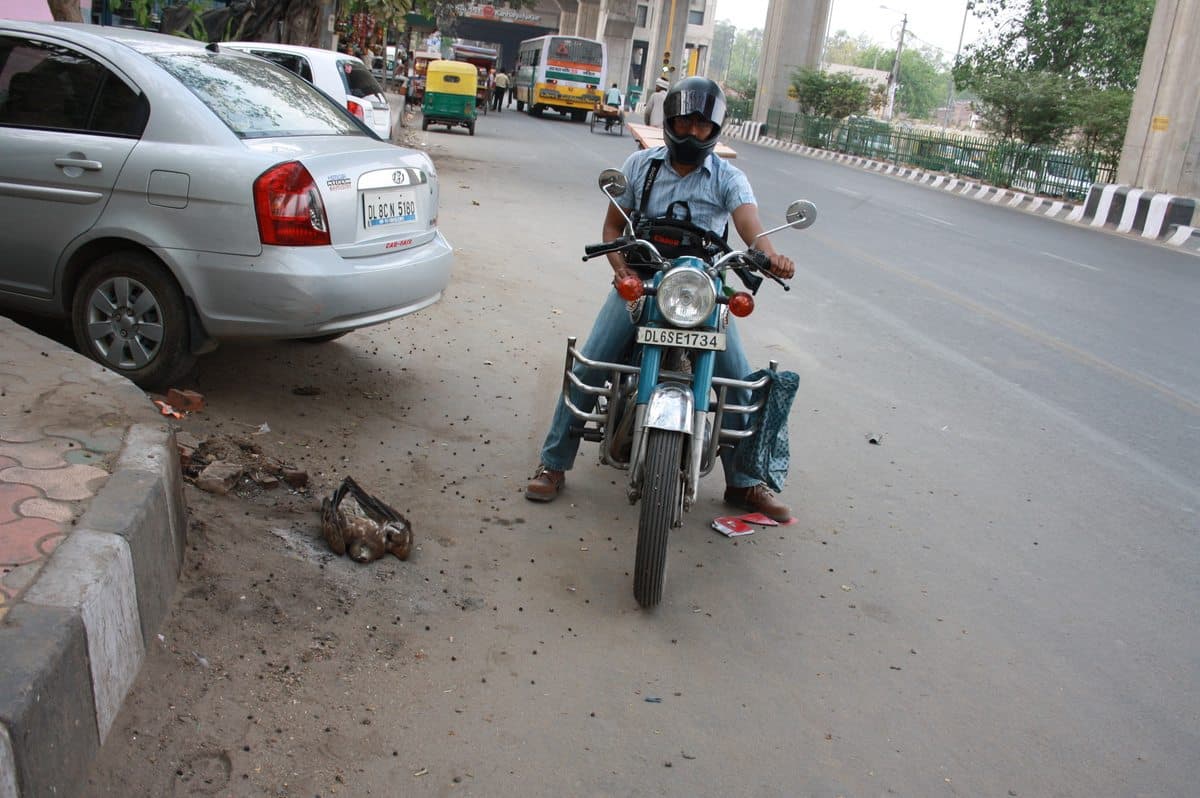
The original bike ambulance
Wildlife Rescue, Delhi — early operations
Before the clinic
In the years before Wildlife Rescue had a proper clinic, this motorbike was the ambulance. Nadeem and Saud would navigate Delhi's crowded lanes on it — responding to calls from residents who had found injured birds, picking them up in makeshift carriers, and bringing them home for treatment.
There were no operating theatres then. No X-ray machines, no anaesthesia equipment, no aviaries. Just two men on a motorbike, a handful of cages, and the kind of stubborn compassion that refuses to look away from a suffering animal.
Today, Wildlife Rescue treats over 4,000 birds a year and has pioneered surgical techniques adopted worldwide. But this motorbike is where it all began.
Photographs from the early years of Wildlife Rescue.
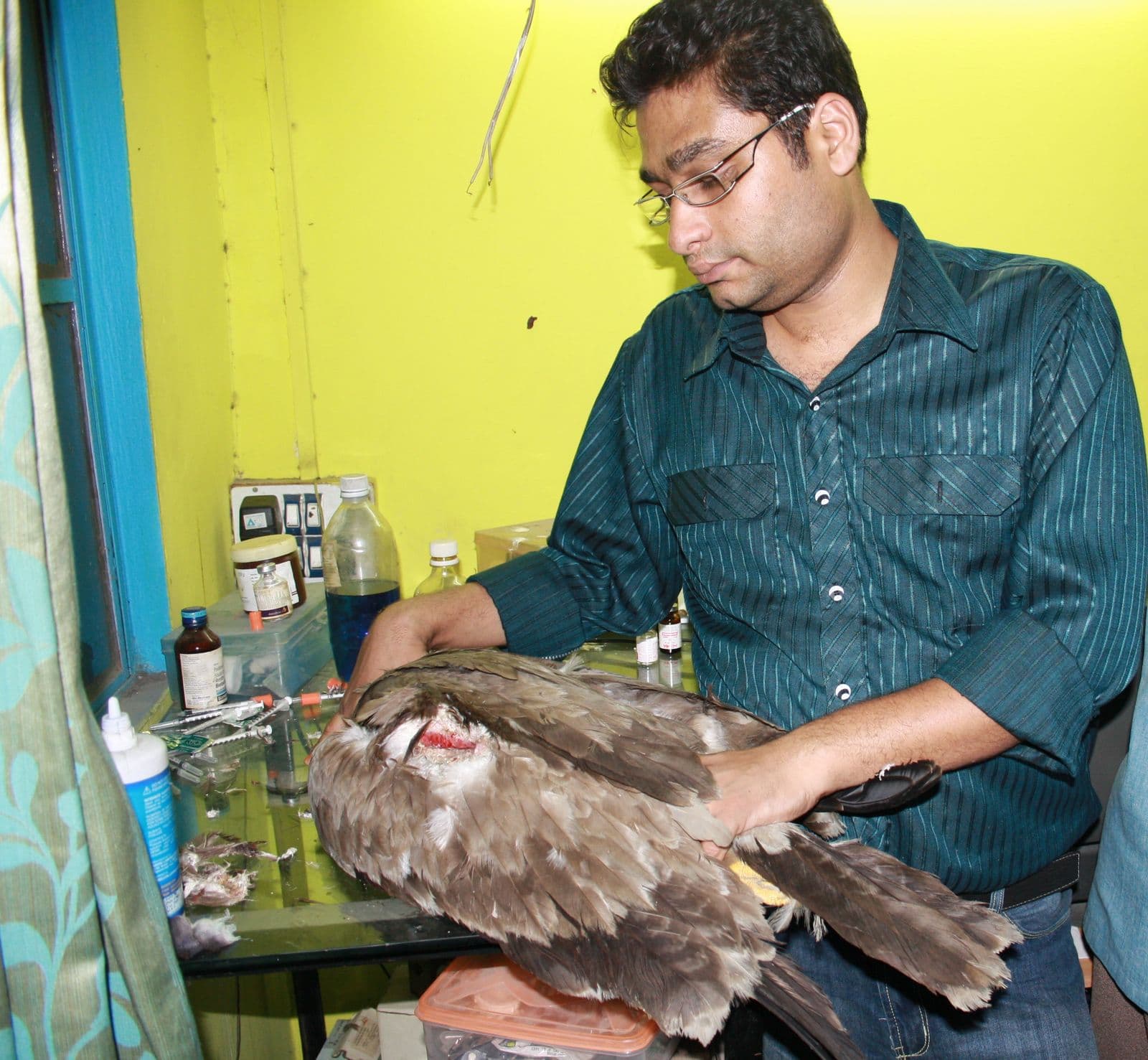
Nadeem Shehzad, co-founder of Wildlife Rescue, in the early years of the rescue.
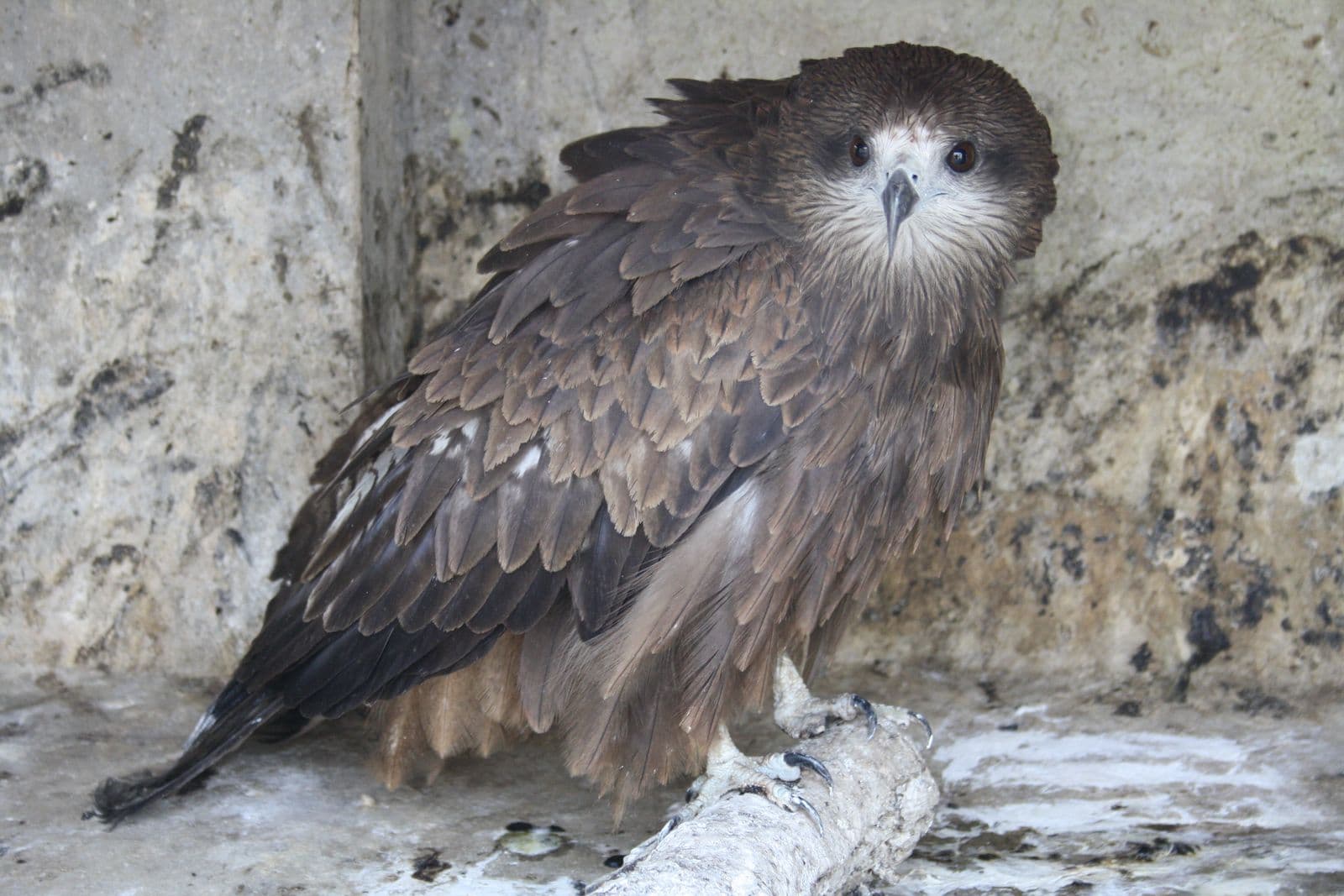
A Black Eared Kite receiving care at Wildlife Rescue — one of the most common raptors treated at the facility.
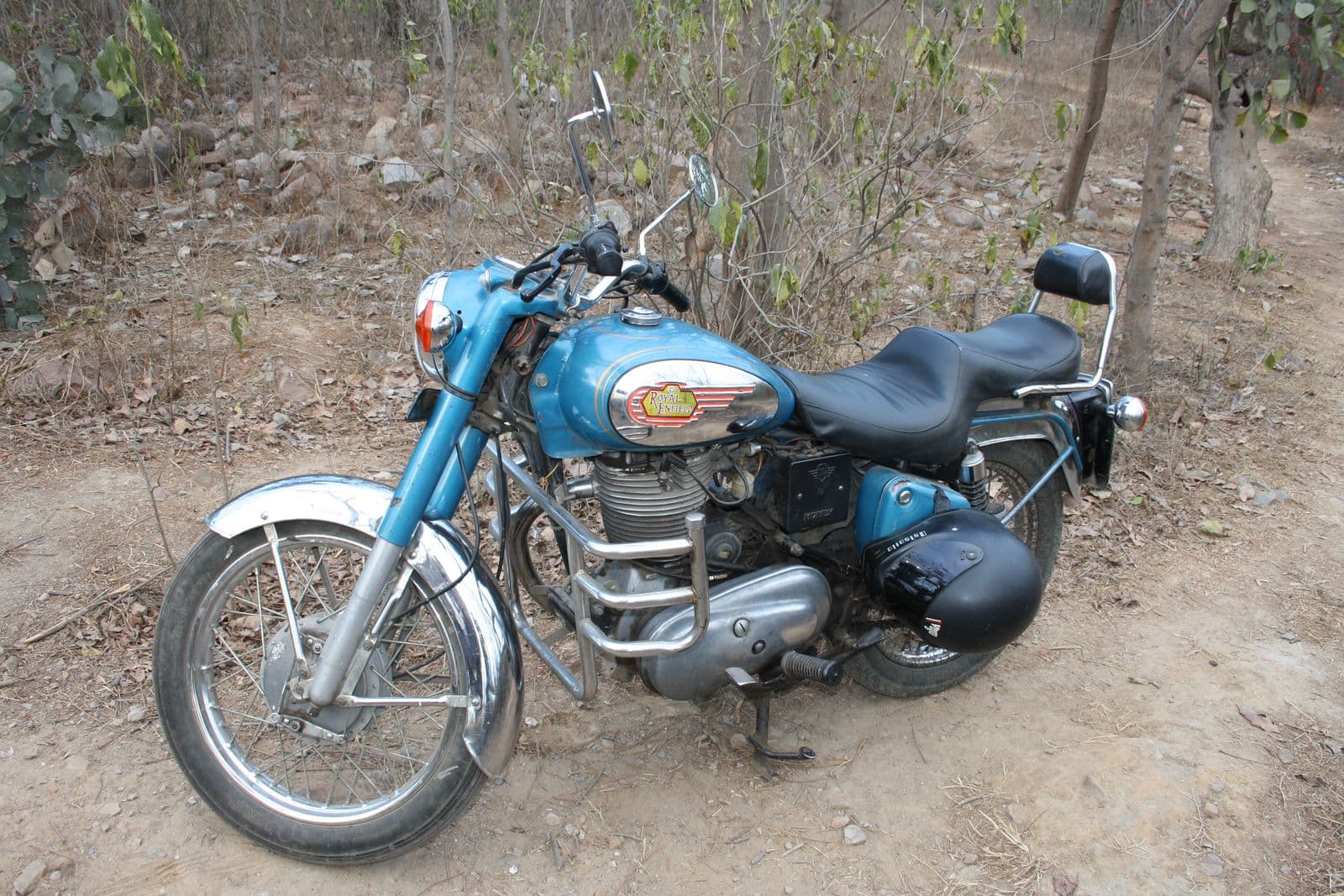
The Wildlife Rescue ambulance used to transport injured birds across Delhi.
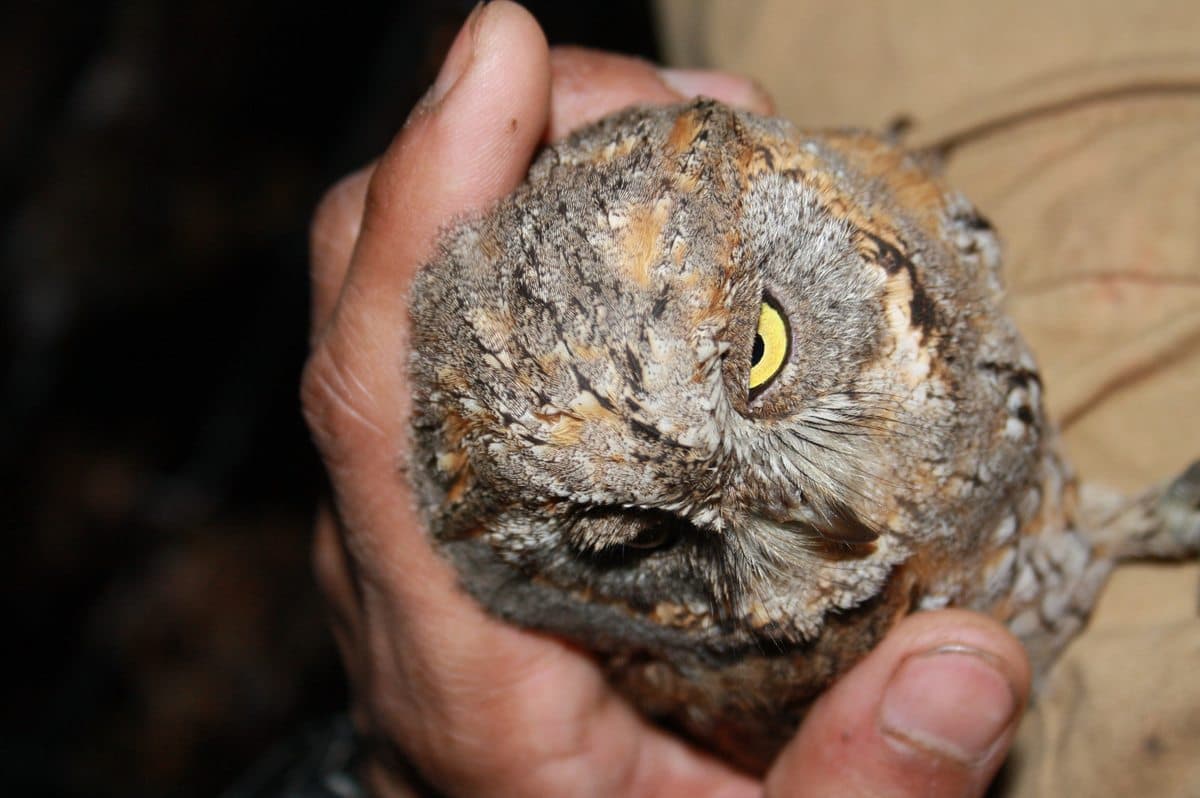
Nadeem cradling a rescued Scops Owl — one of the small nocturnal raptors that frequently come into care, often after window collisions or being mistaken for ill omens.
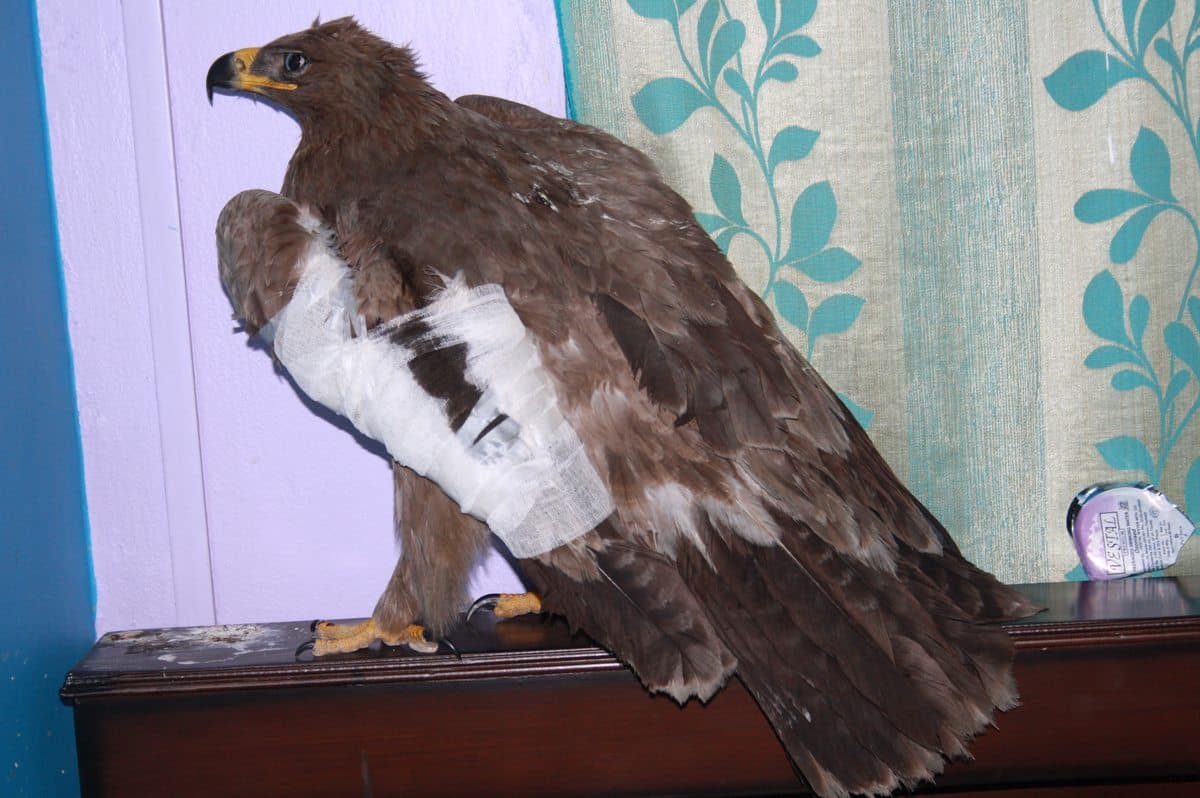
A Steppe Eagle recovering with a bandaged wing — resting on Nadeem's own bed. Wildlife Rescue had no clinic or office yet; birds were treated and housed at home.
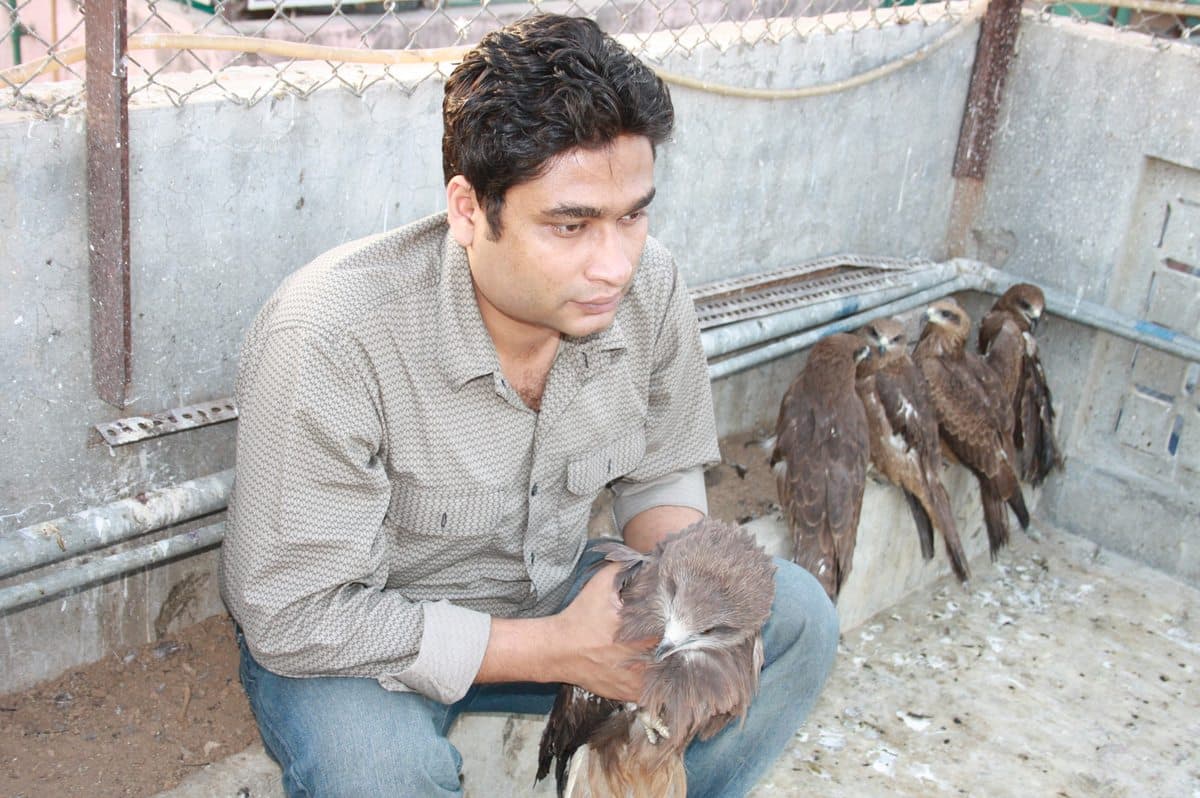
Nadeem holding a Black Eared Kite — a migratory raptor from the Central Asian steppes that winters in India — in the early rooftop enclosure, years before the clinic and aviary complex existed.
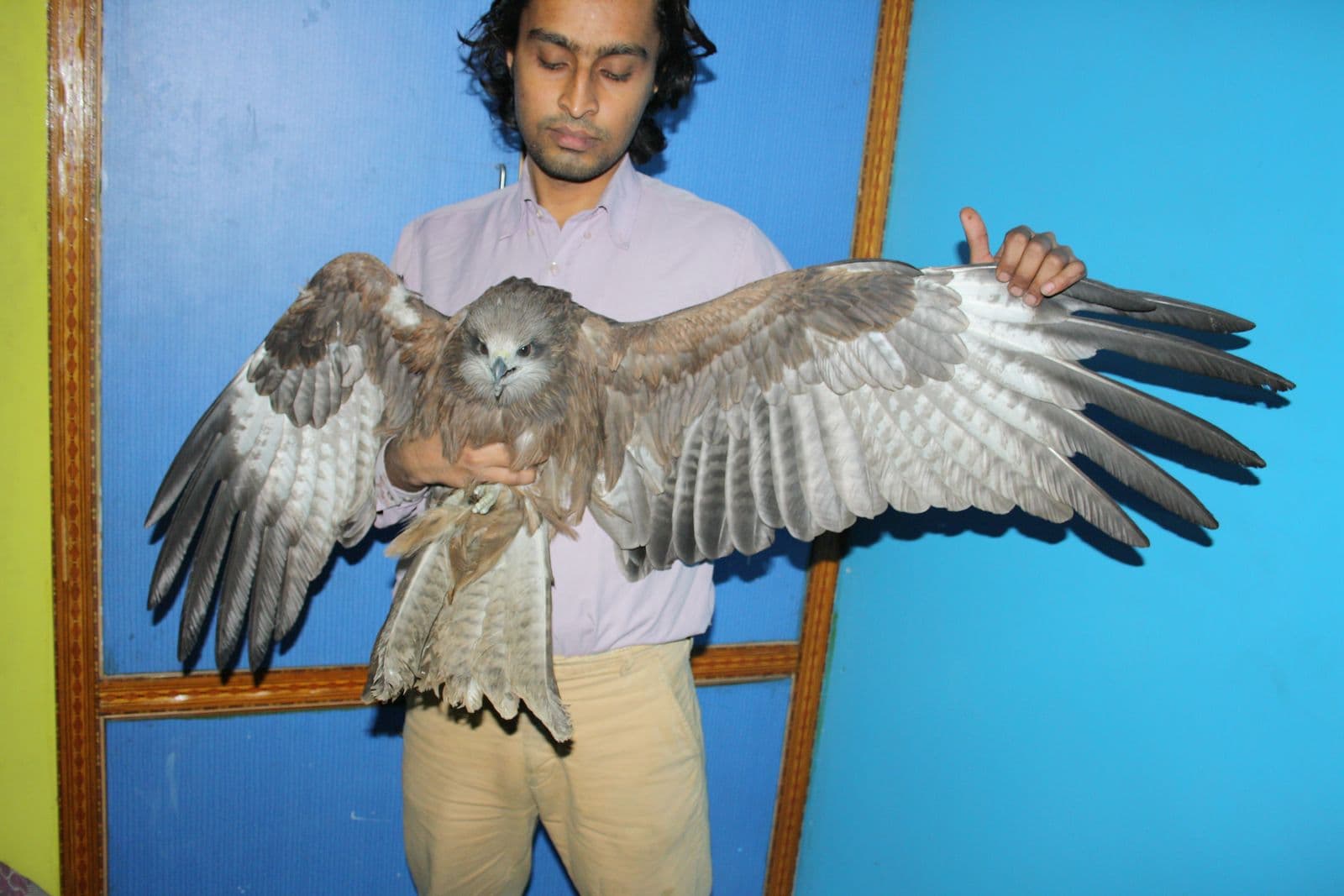
Mohammad Saud, co-founder of Wildlife Rescue, with an injured Black Kite in the early years.
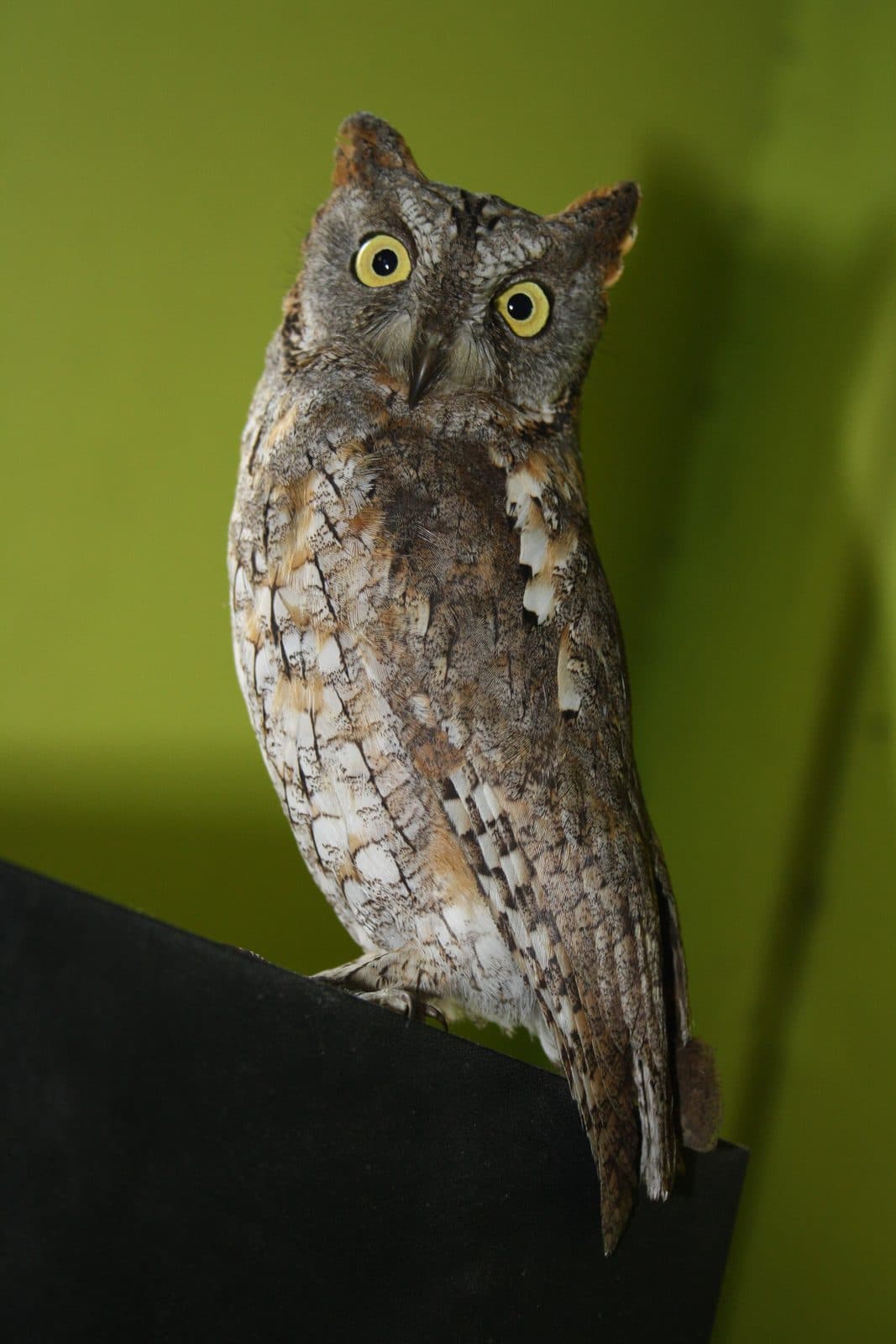
A rescued Scops Owl — a small, nocturnal raptor that often arrives at the rescue after window collisions or being mistaken for ill omens.
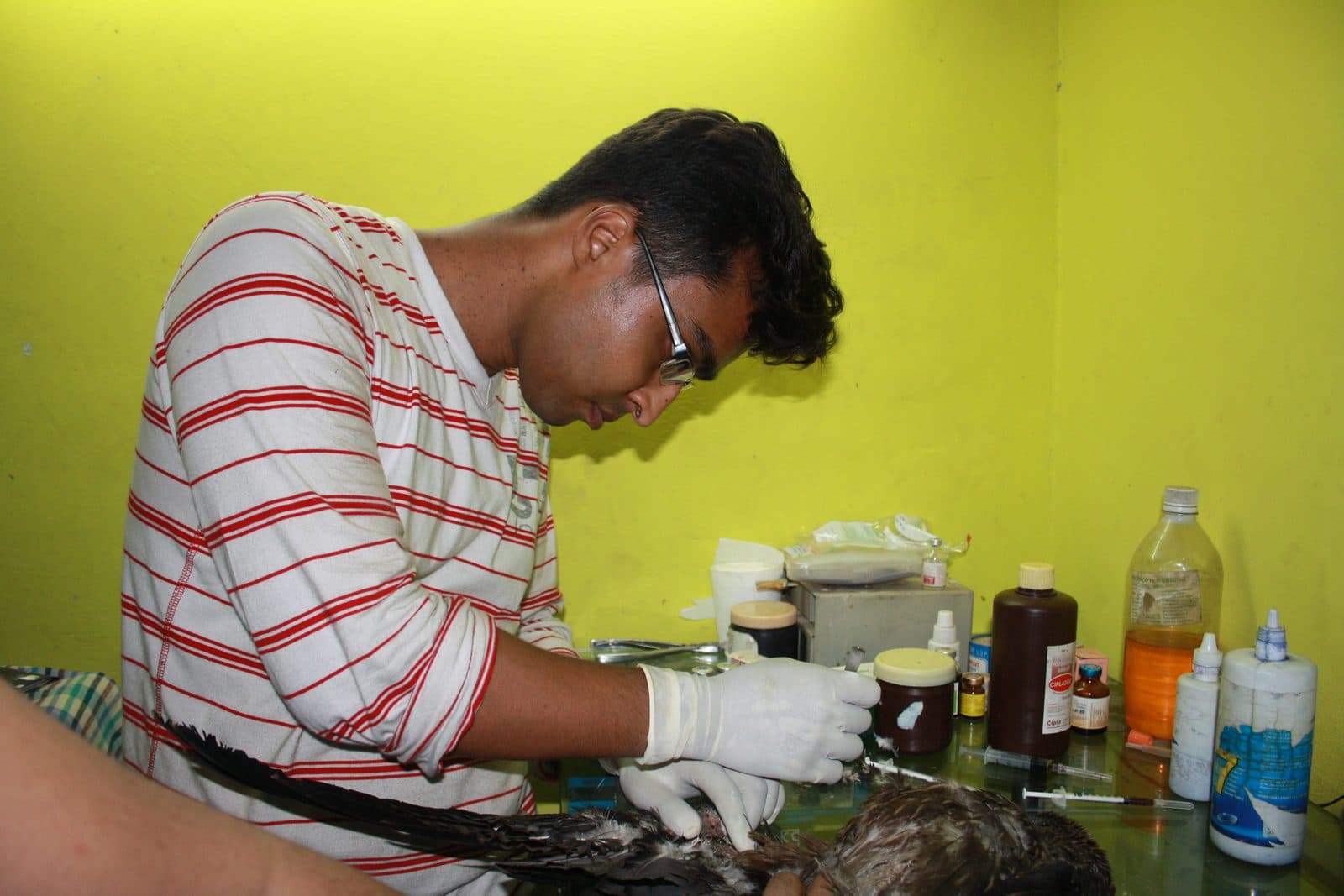
Mohammad Saud working on an injured Black Kite in the early home-based clinic — long before the surgical suite, X-ray, and dedicated treatment rooms existed.
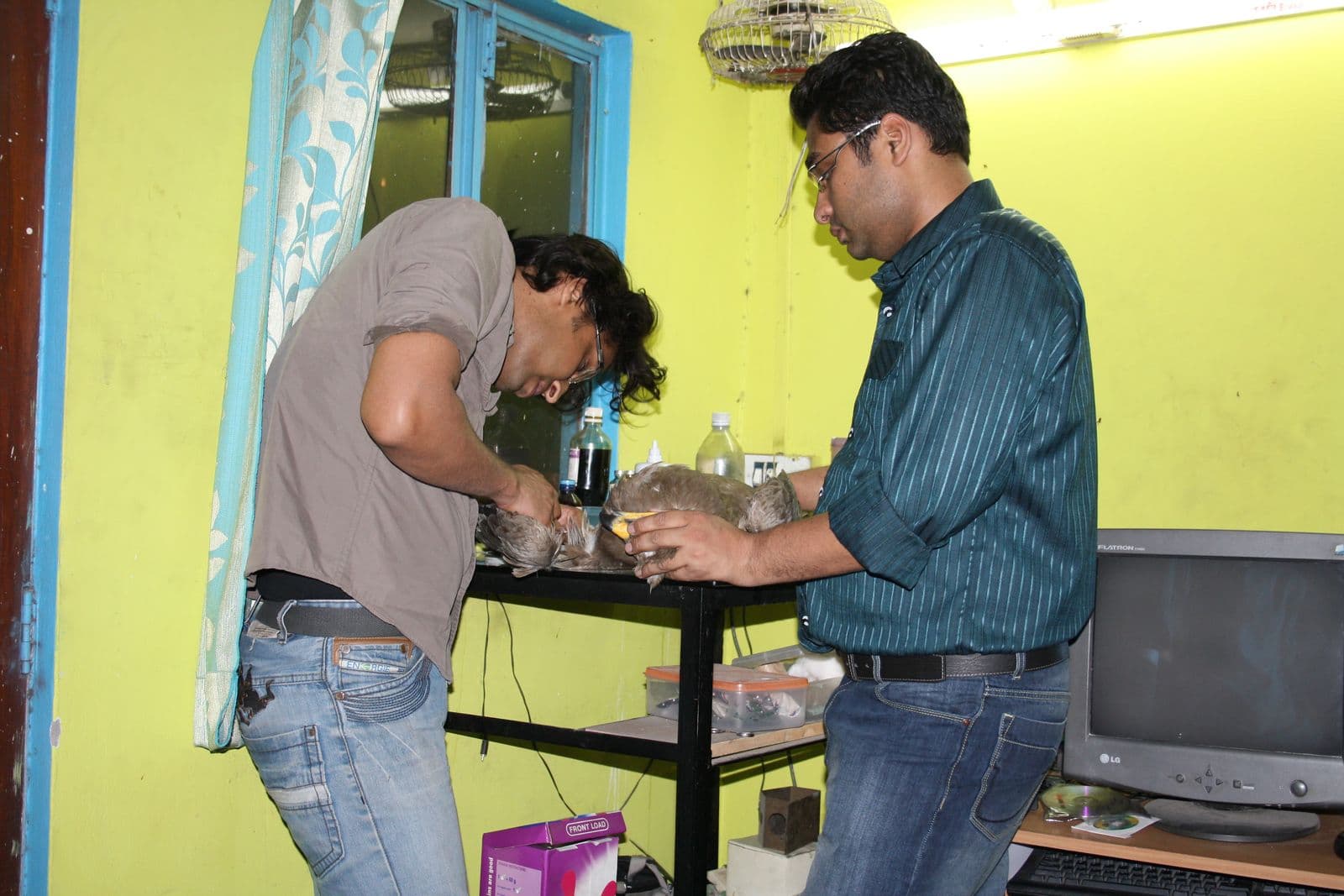
Nadeem Shehzad and Mohammad Saud — the co-founders who built Wildlife Rescue from the ground up.
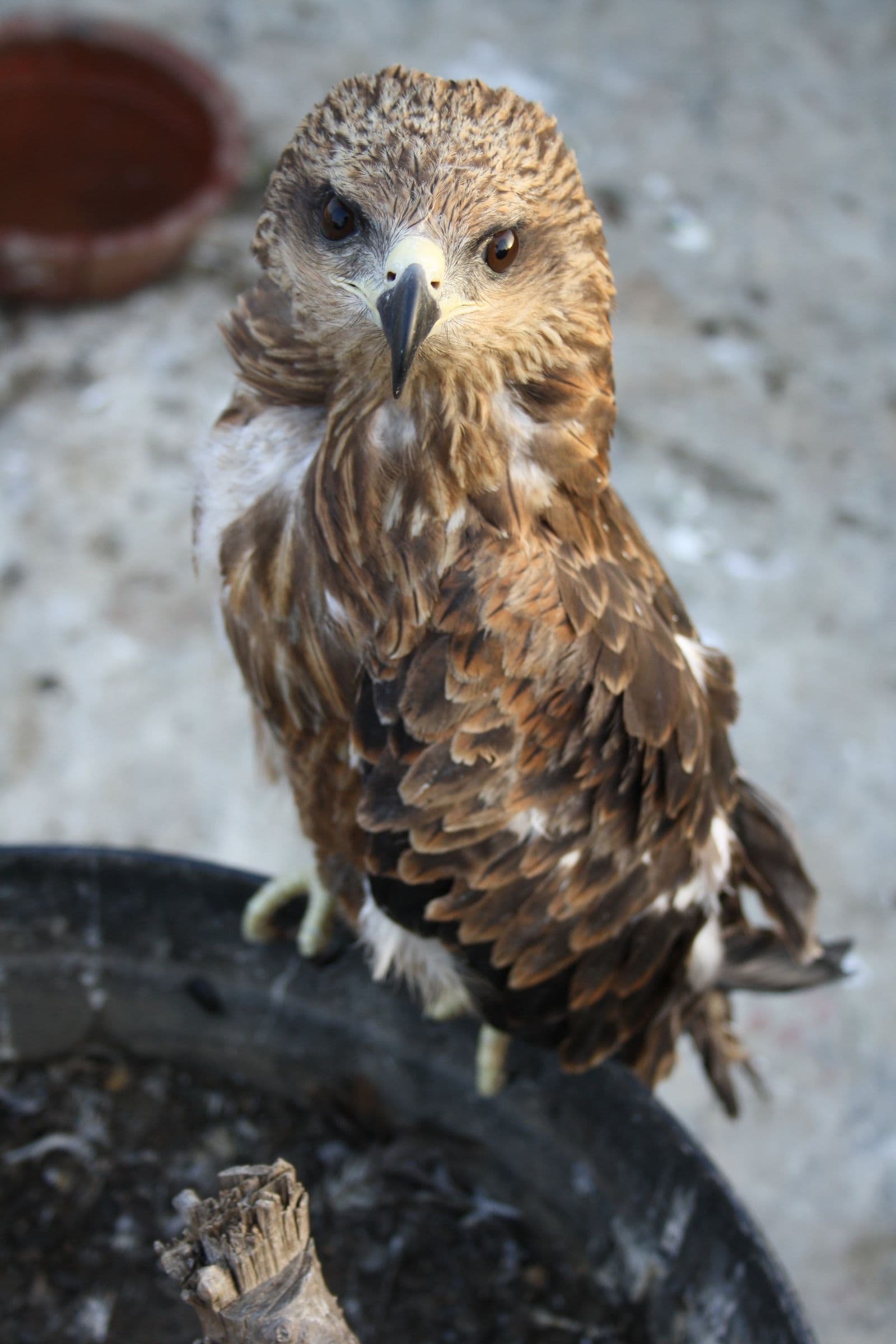
A Black Kite receiving care in the early days of Wildlife Rescue.
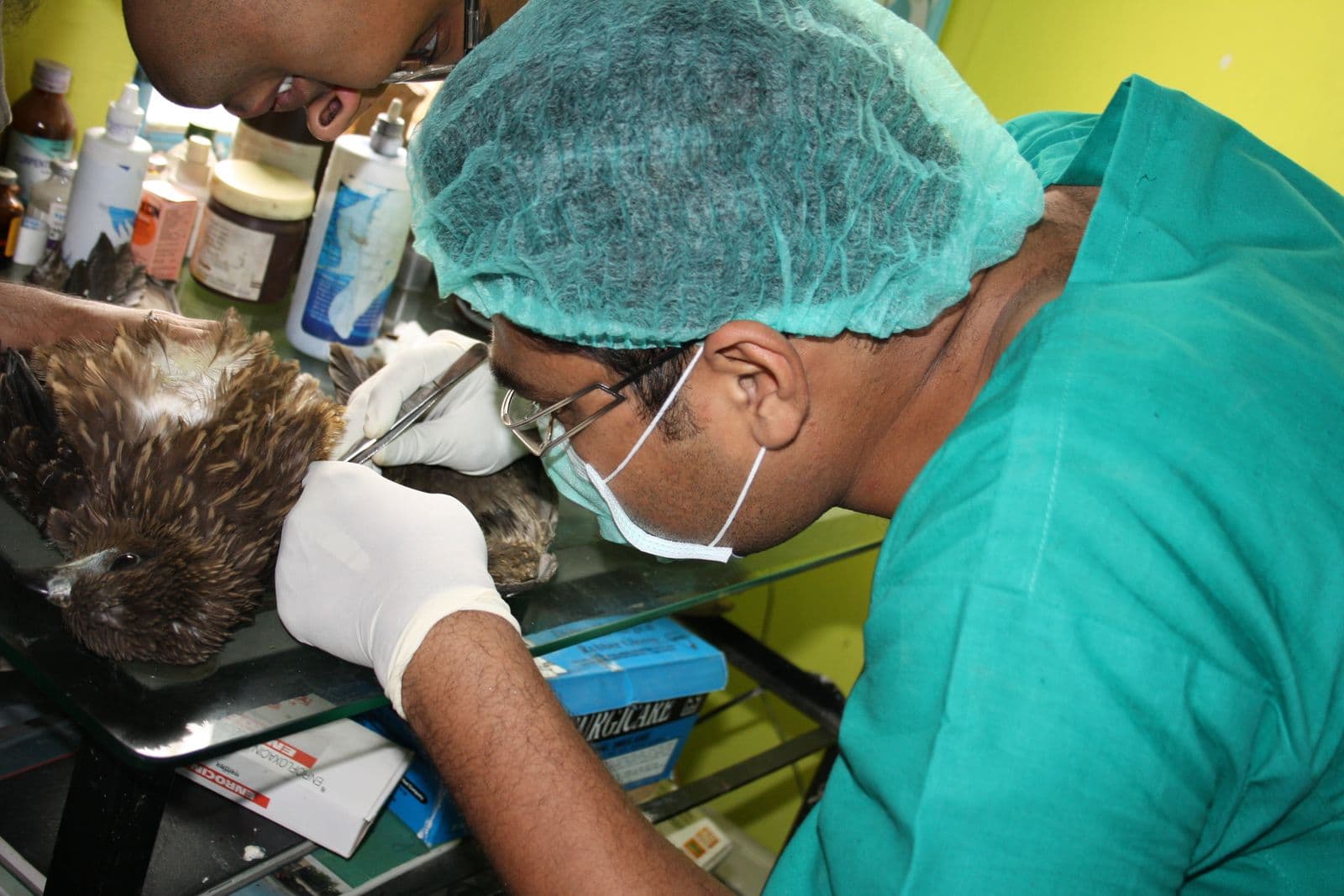
Nadeem Shehzad with a rescued bird — a scene repeated thousands of times over the years.
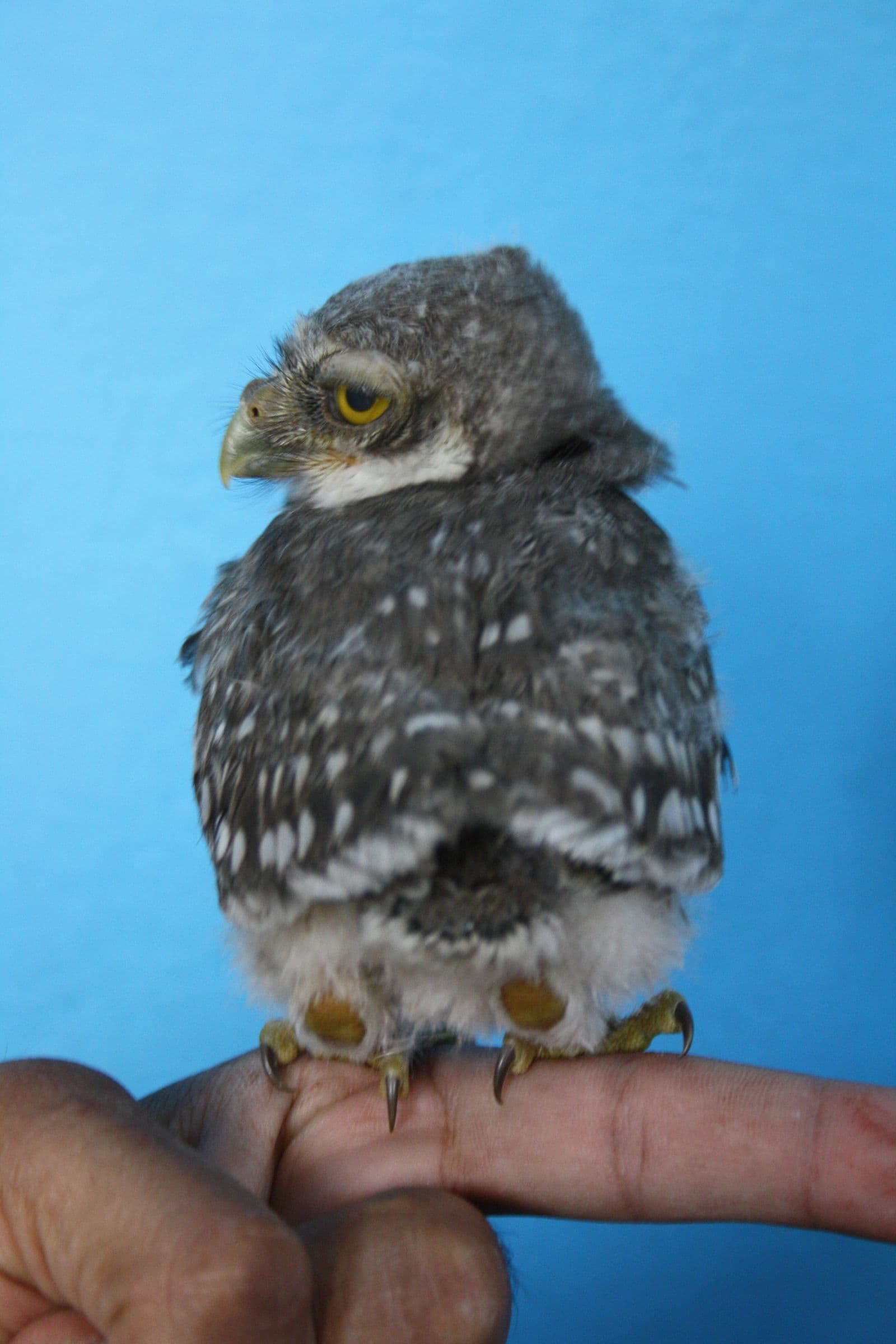
A rescued Spotted Owlet chick in care at Wildlife Rescue.
Everything at Wildlife Rescue today — the surgical suite, the aviaries, the novel wing-repair techniques, the Oscar-nominated documentary — grew from that same quiet refusal to walk past a suffering bird. Support the next chapter.
