A fully equipped avian medical center in the heart of Delhi — on-site X-ray, modern operation theater, ultrasonic bone cutter, surgical laser, diagnostic lab, and ICU. Every piece of equipment chosen with one goal: getting birds back in the sky.
11+
Birds Treated Daily
Modern
Operation Theater
On-Site
X-Ray & Lab
24/7
ICU Monitoring
The clinic is the nerve center of Wildlife Rescue. Every injured bird that arrives — whether tangled in manja, electrocuted, hit by a vehicle, or fallen as a chick — passes through here first.
What started in a rooftop room in Old Delhi has grown into a professional-grade medical facility with imaging, surgical, and critical-care capabilities that rival university veterinary schools. The difference: every machine, every protocol, every surgical technique was developed for one species group — birds of prey.
That focus is what enables us to perform surgeries — like the propatagium repair developed by Saud and Nadeem — that no general-practice veterinary hospital in the region attempts.
Learn About Our Surgical TechniquesNine integrated medical capabilities under one roof — built specifically for raptor care.
Dedicated on-site X-ray station for rapid fracture, dislocation, and internal-injury diagnosis. Triage decisions happen within minutes of intake — critical for the 11+ birds arriving daily.
Sterile surgical theater with full isoflurane gas anesthesia, vital-sign monitors, microwave ablation device, and precision instruments for complex orthopedic and soft-tissue procedures.
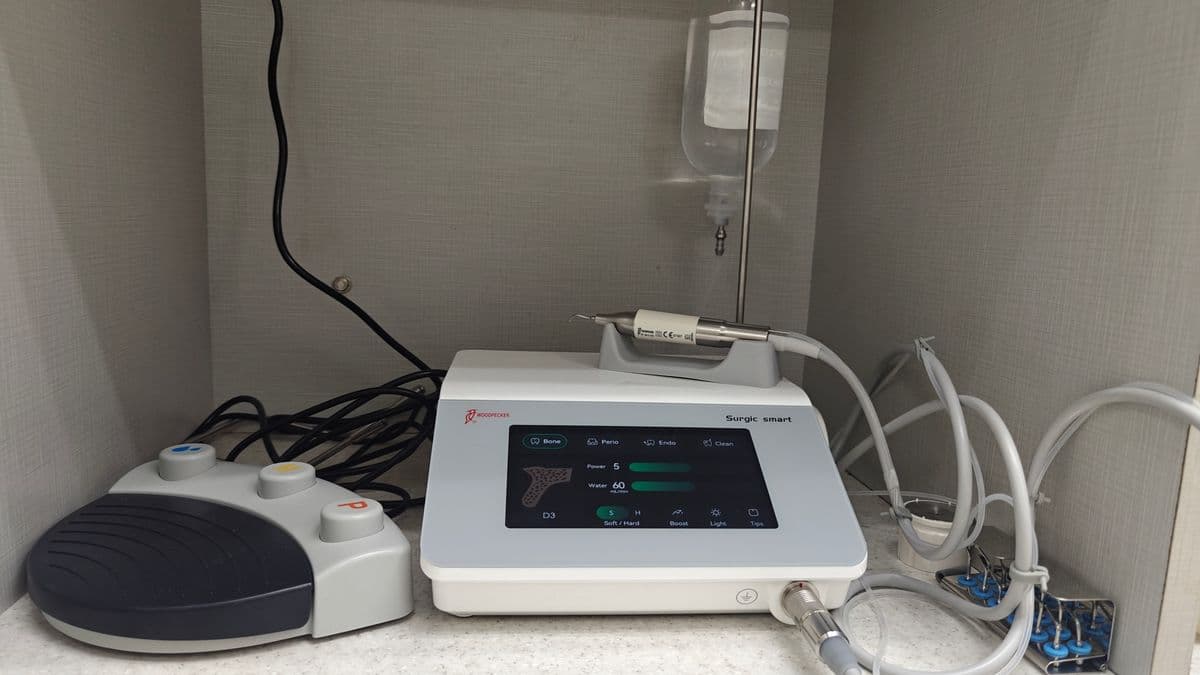
Woodpecker Surgic Smart ultrasonic system — selectively cuts bone while sparing soft tissue. A game-changer for raptor orthopedic surgery, where margins are millimeters.
Therapeutic and surgical laser equipment for wound debridement, accelerated healing of manja-cut tissue, and post-operative therapy on burn and electrocution cases.
Advanced surgical instrument that simultaneously cuts tissue and seals blood vessels through high-frequency ultrasonic vibration — dramatically reducing bleeding, operative time, and post-surgical inflammation during complex procedures.
Hematocrit centrifuge for blood analysis, microscope for parasitology and cytology, and basic pathology workflow for comprehensive avian health assessment.
Temperature-controlled intensive care area for post-surgical recovery and critically injured birds requiring round-the-clock observation and intervention.
Stocked with antibiotics, anti-inflammatories, fluids, wound-care supplies, and species-appropriate pain management — sourced and dosed for raptor physiology.
First point of contact for every bird. Case logged, photographed, weighed, and stabilized before being routed to imaging, surgery, or the recovery wing.
Magnification optics for microsurgical work — particularly the propatagium repair, where individual tendons (TPLT, EMR) are identified and re-apposed by hand.
Photos from inside the operating theater, lab, and recovery rooms — the tools that save raptors every day.
Ultrasonic Bone Cutter — Full Setup
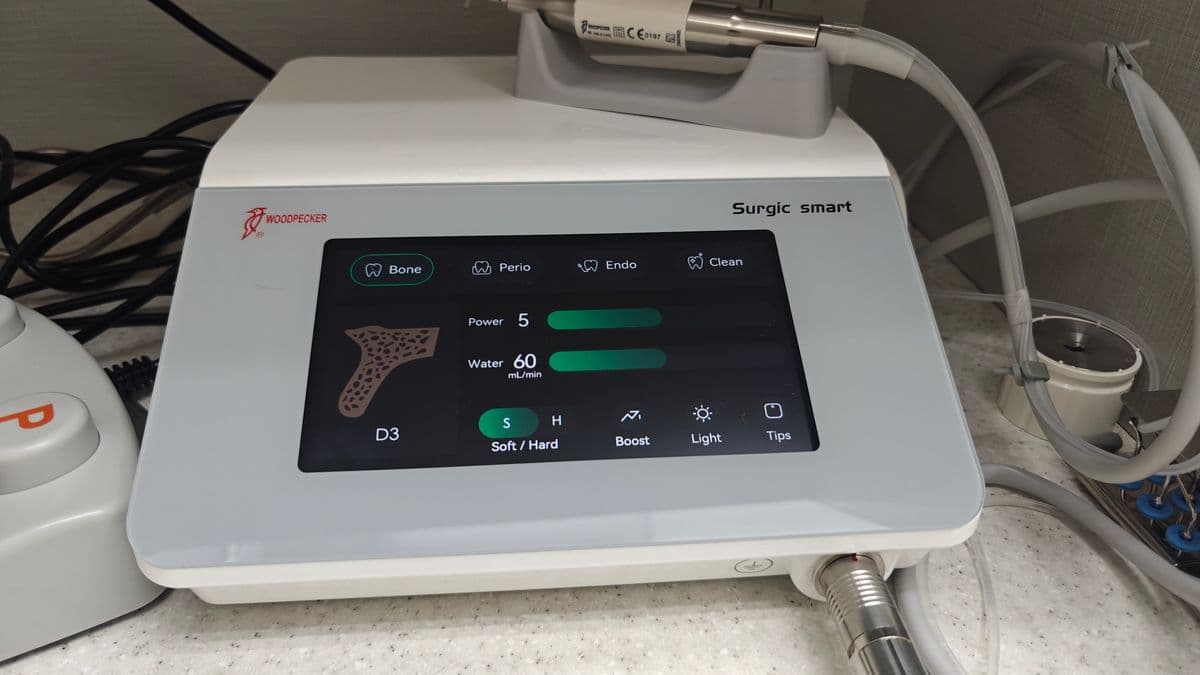
USBC Control Unit
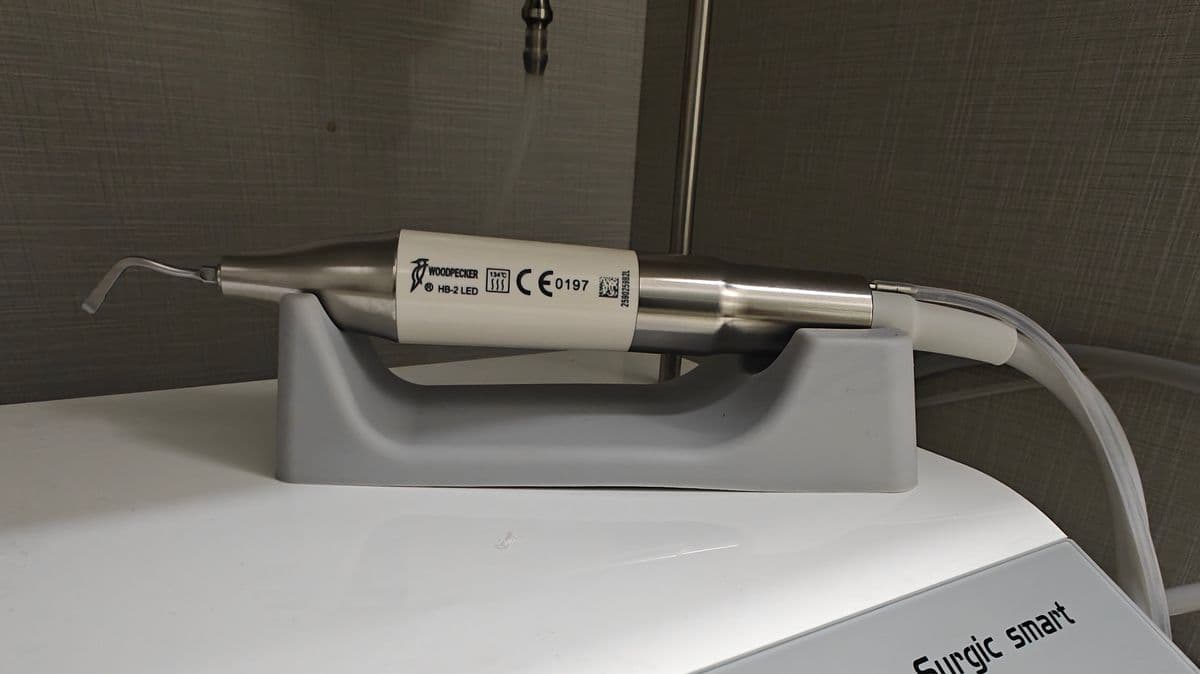
LED Surgical Handpiece
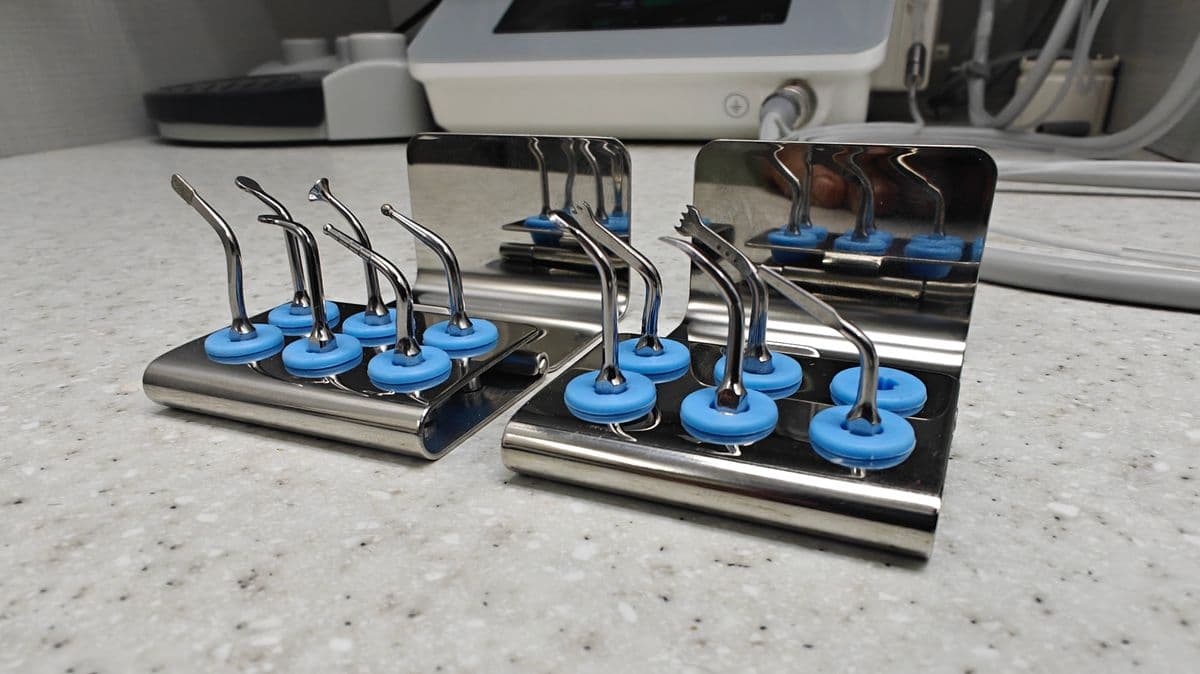
Precision Tip Sets
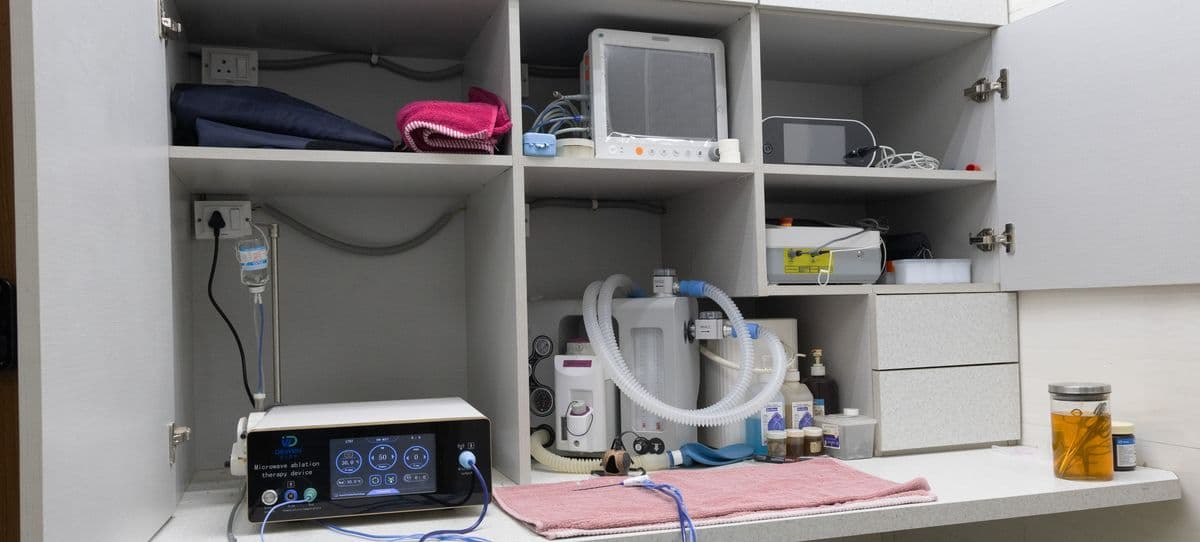
Operating Theater
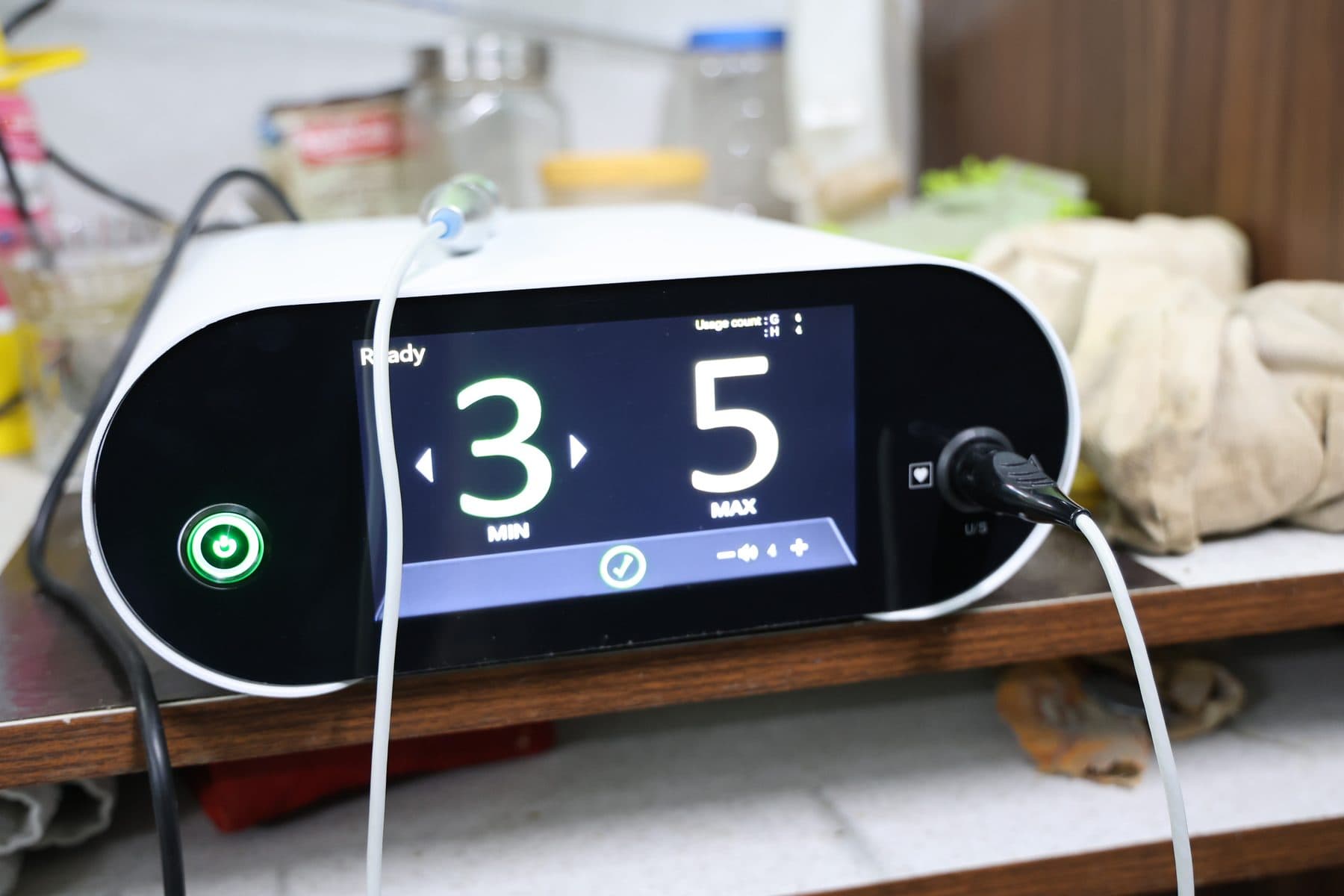
Ultrasonic Scalpel & Vessel Sealer
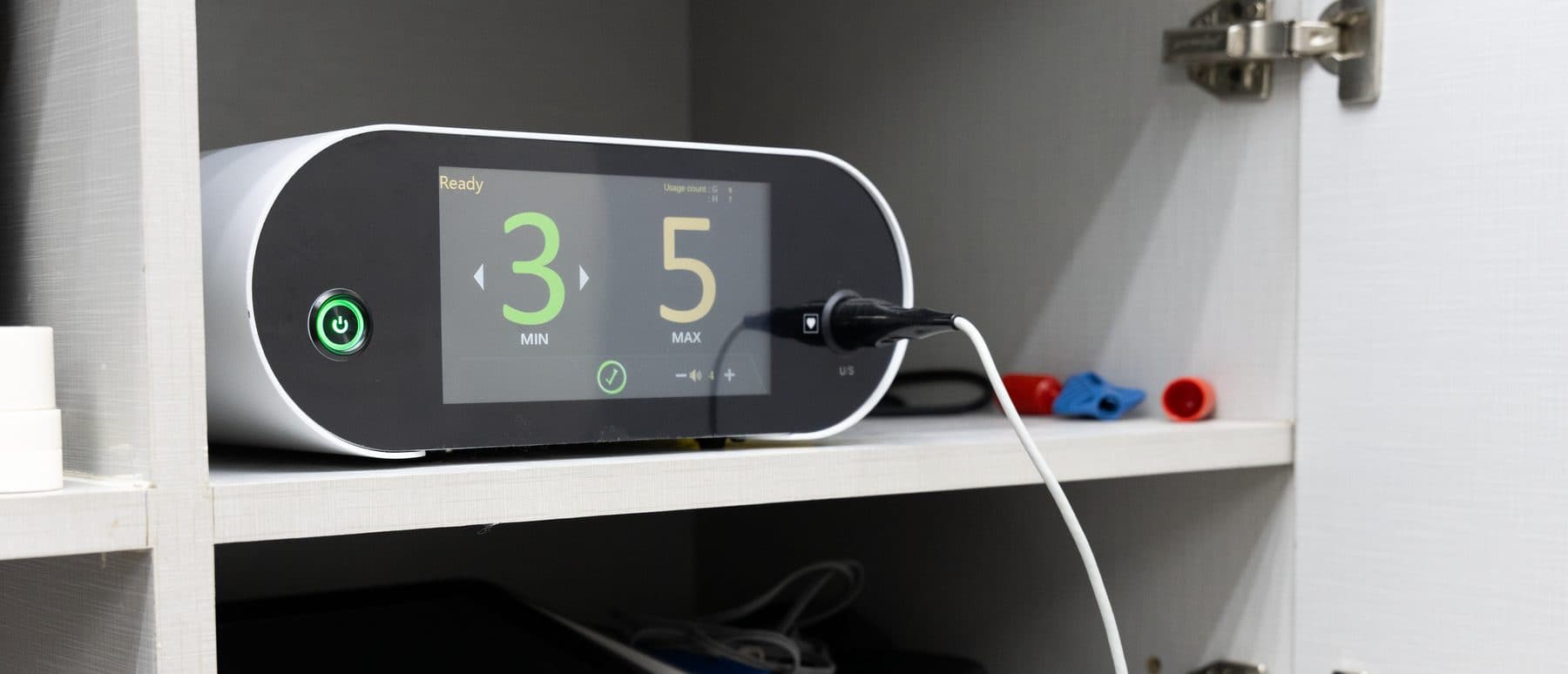
Ultrasonic Scalpel & Vessel Sealer — Console
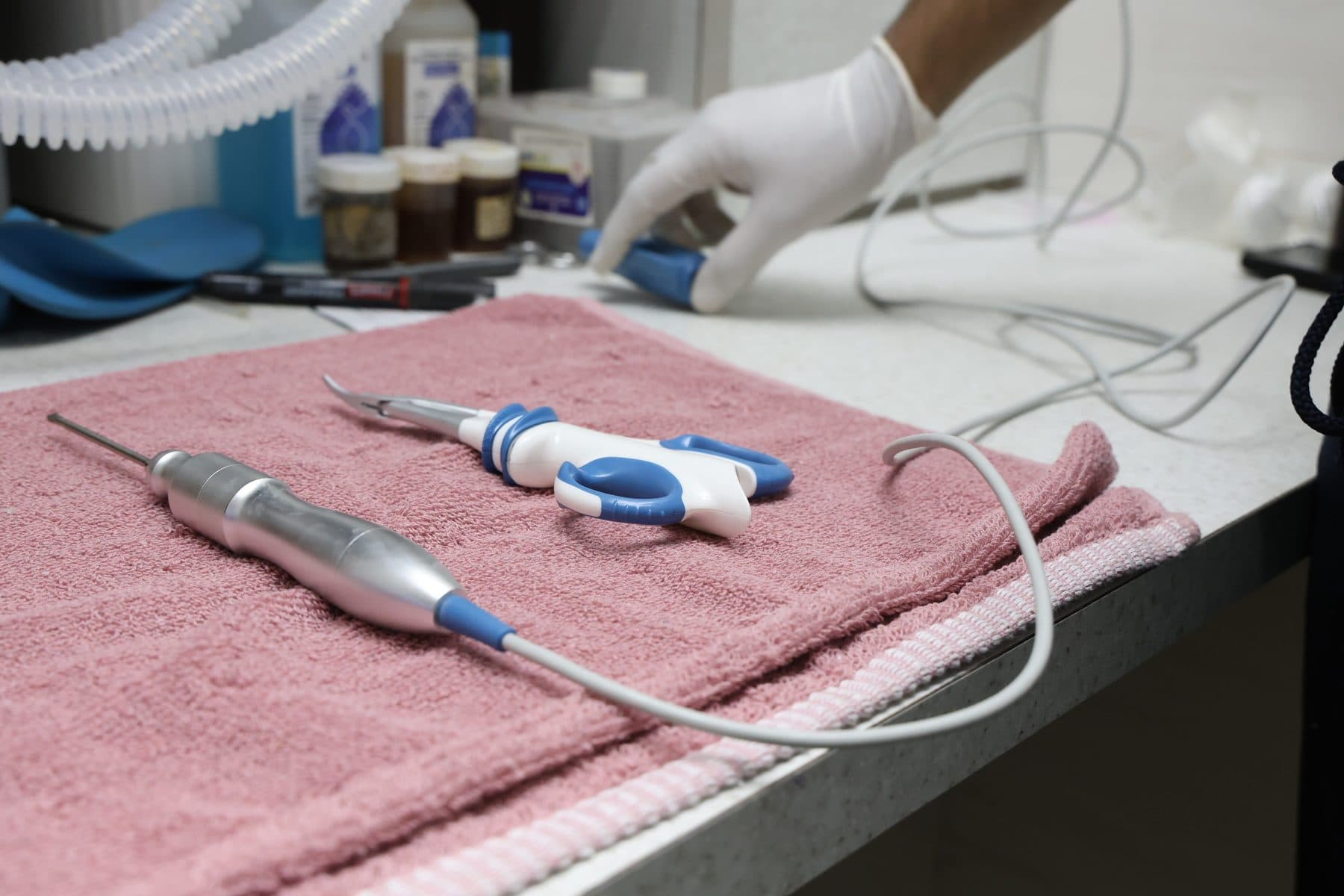
Ultrasonic Scalpel & Vessel Sealer — Attachments
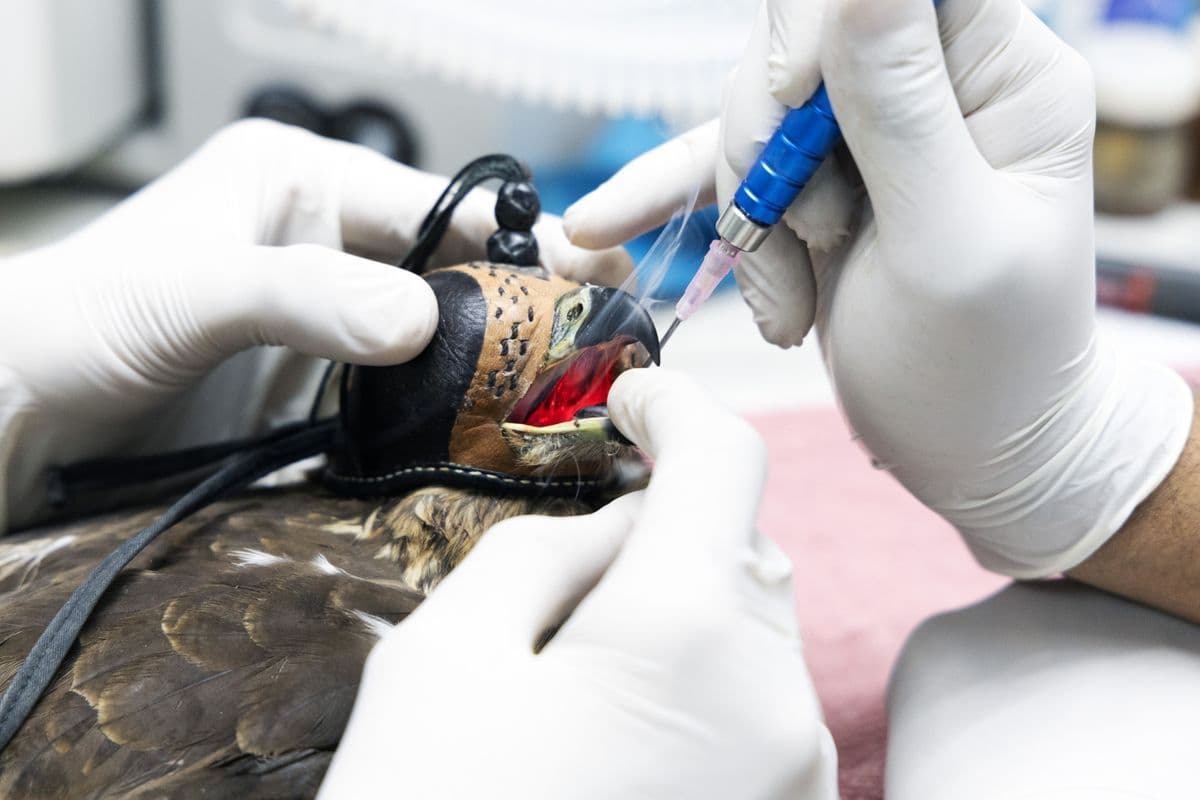
Laser Surgery
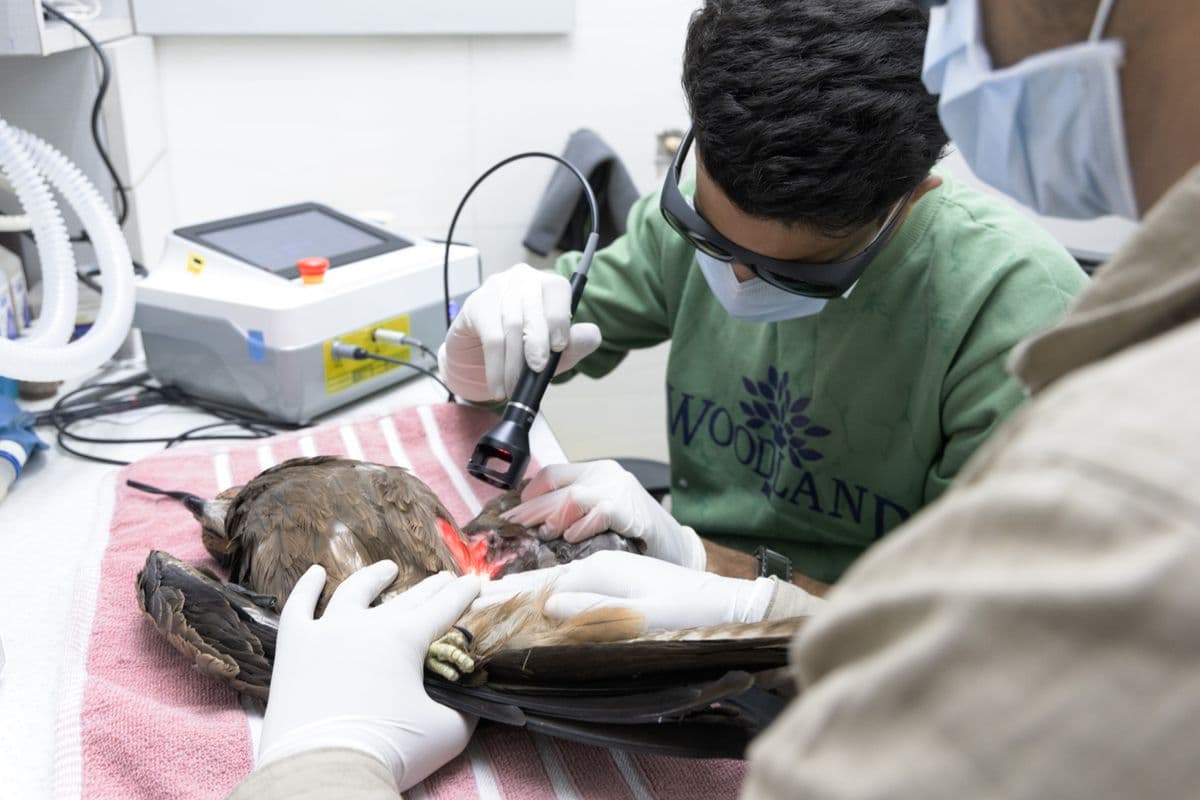
Laser Wound Therapy
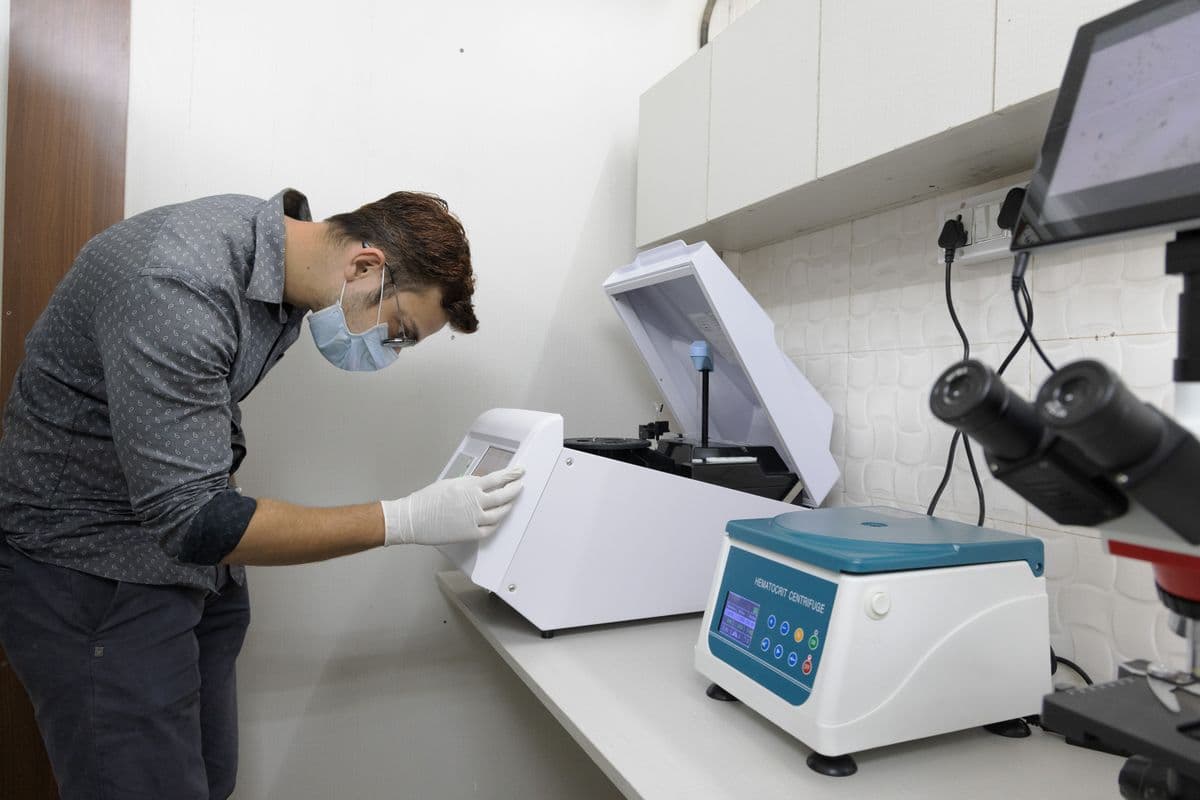
Diagnostic Laboratory
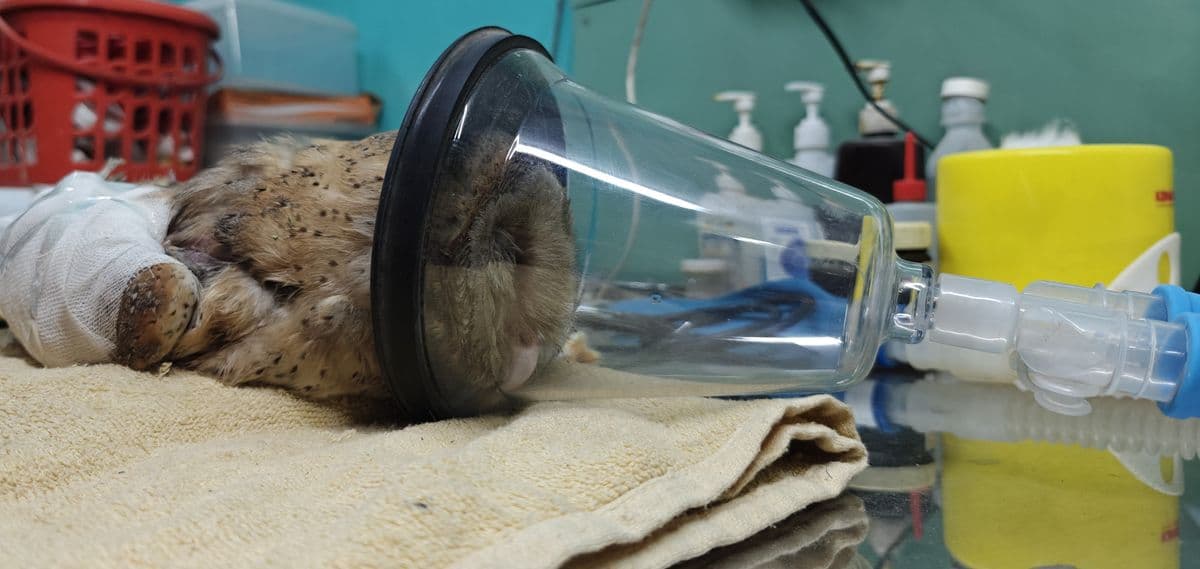
Gas Anesthesia in Action
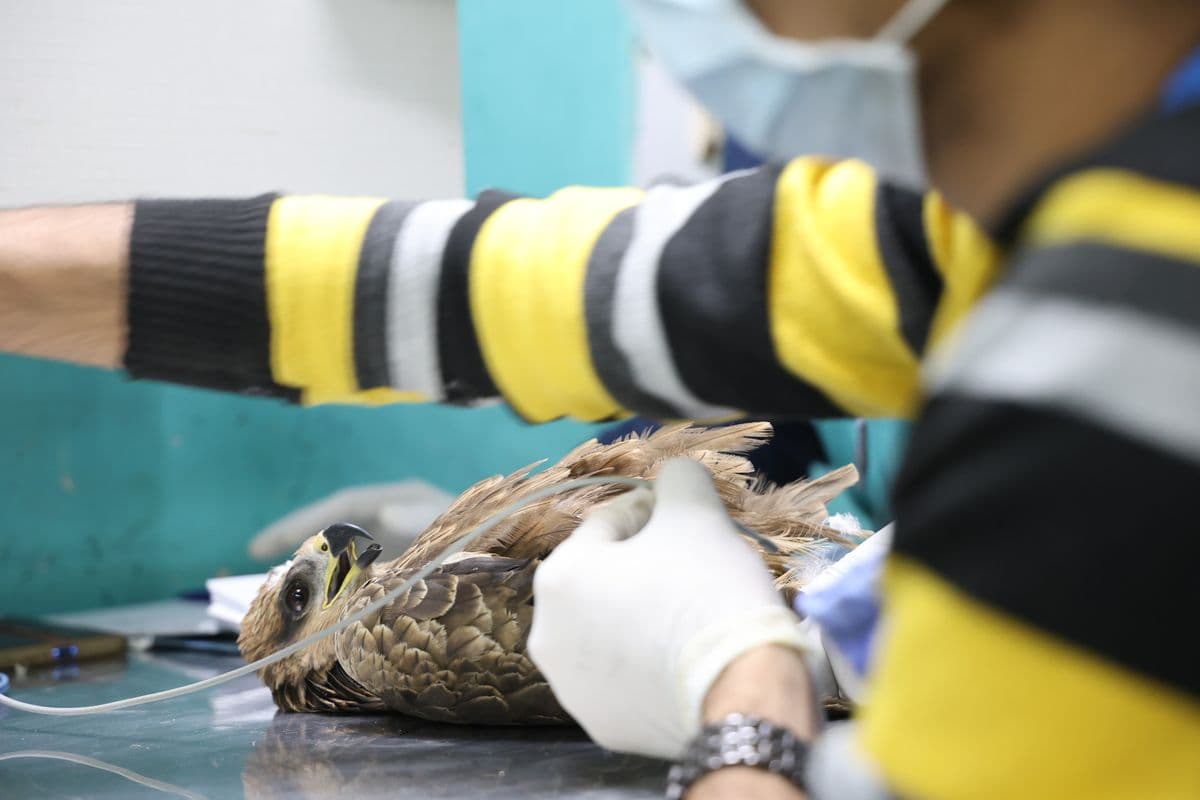
IV Fluid Therapy
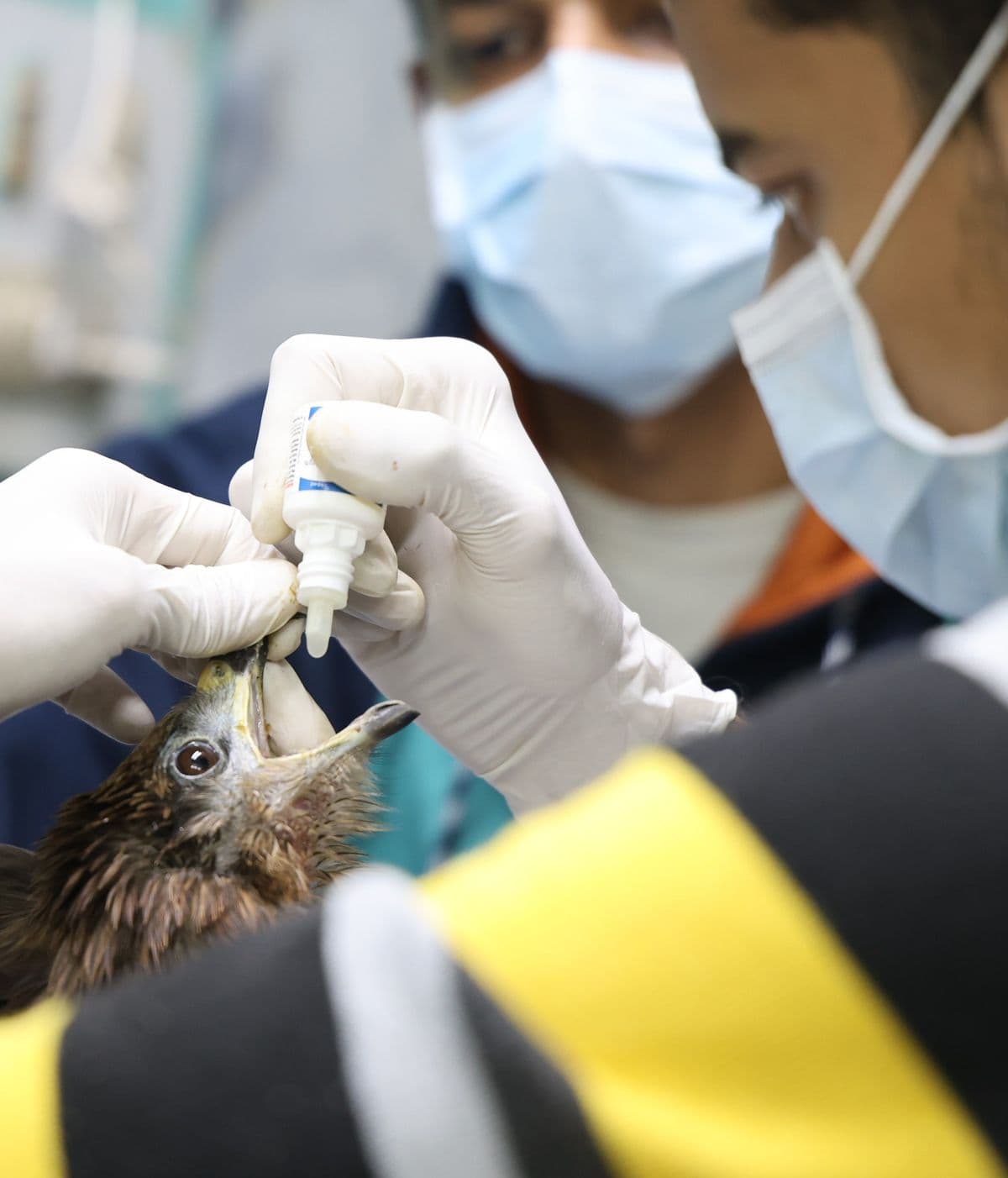
Pain Management
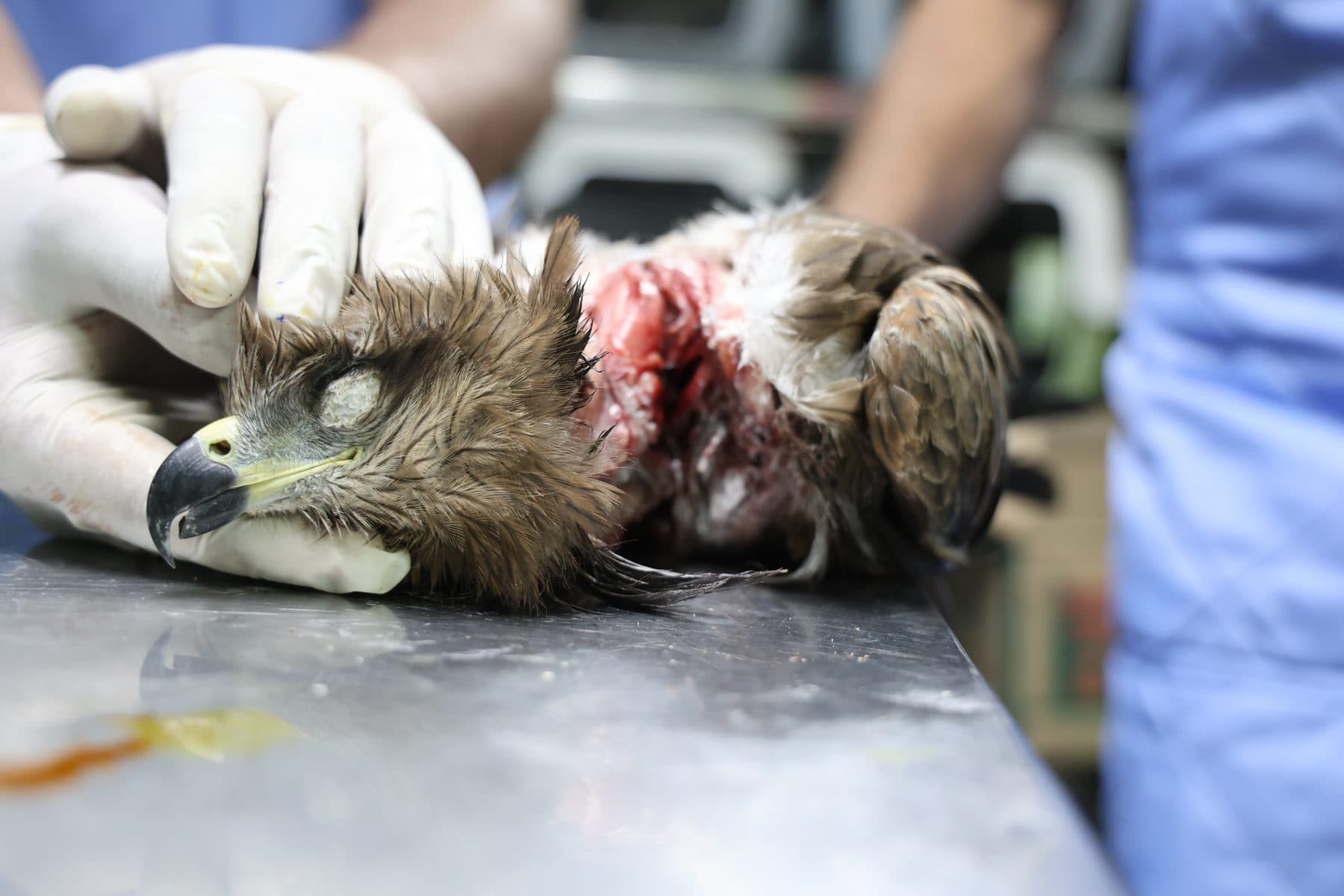
Black Kite — Manja Cut Wound
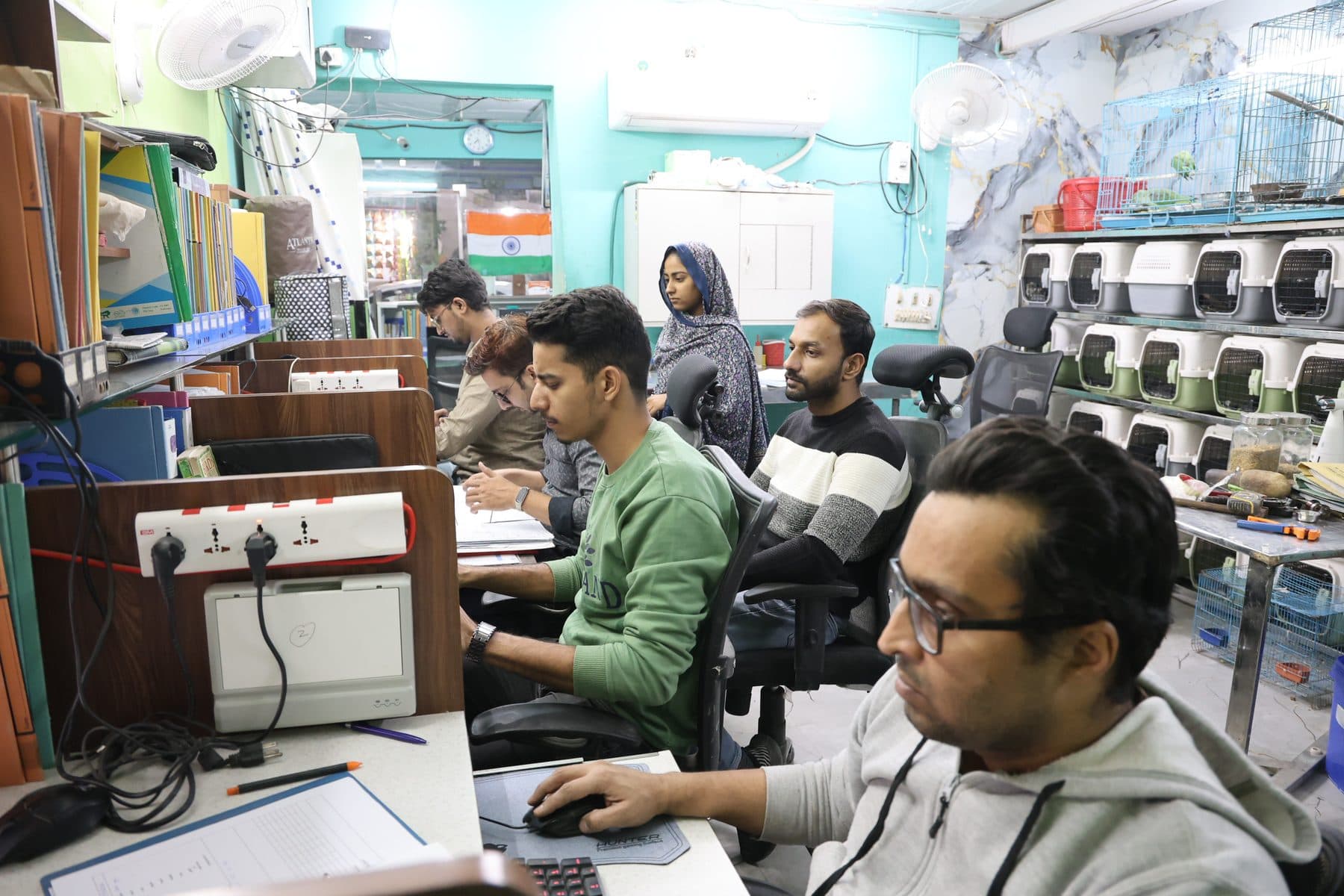
Staff — Daily Routine
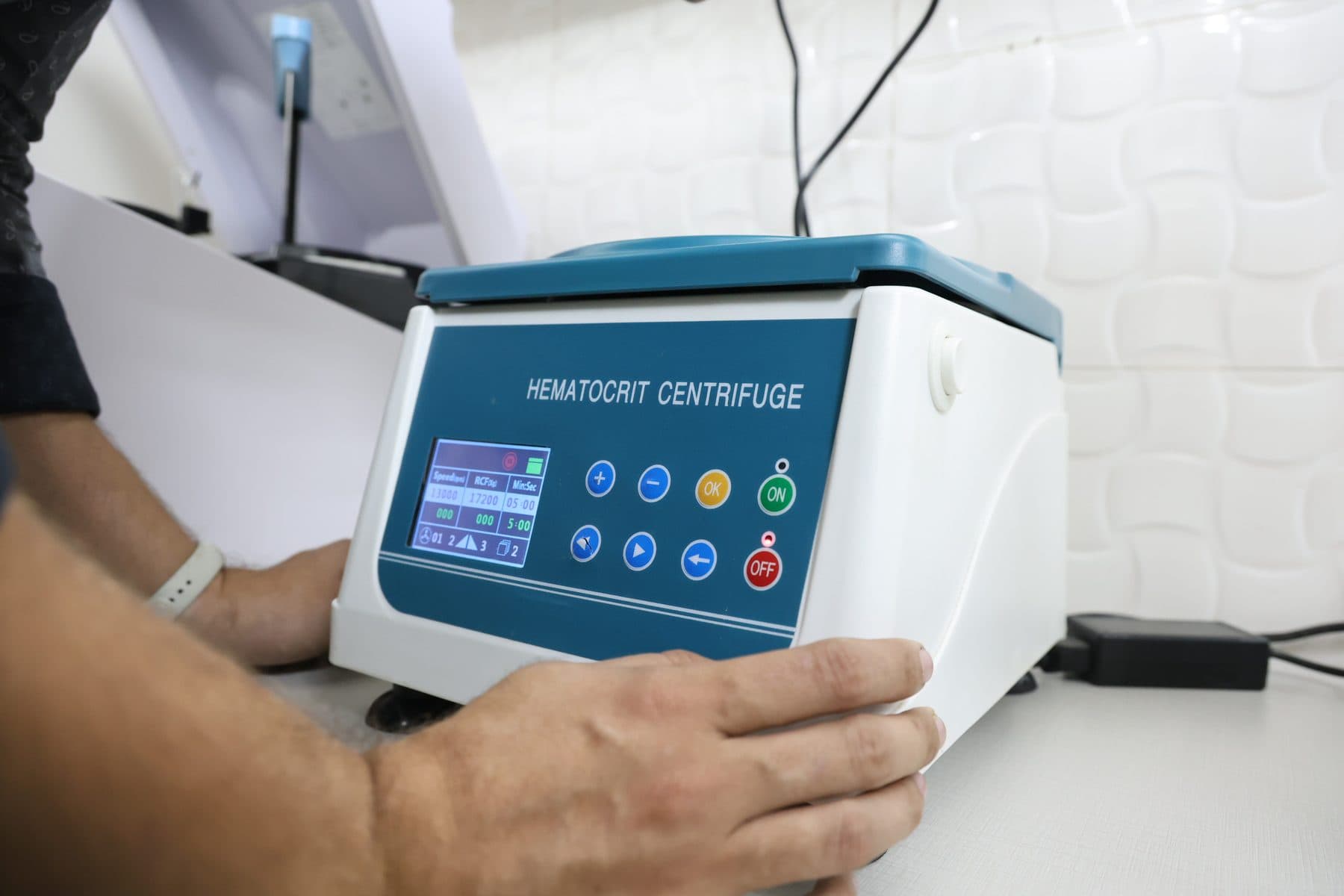
Centrifuge — Blood Work
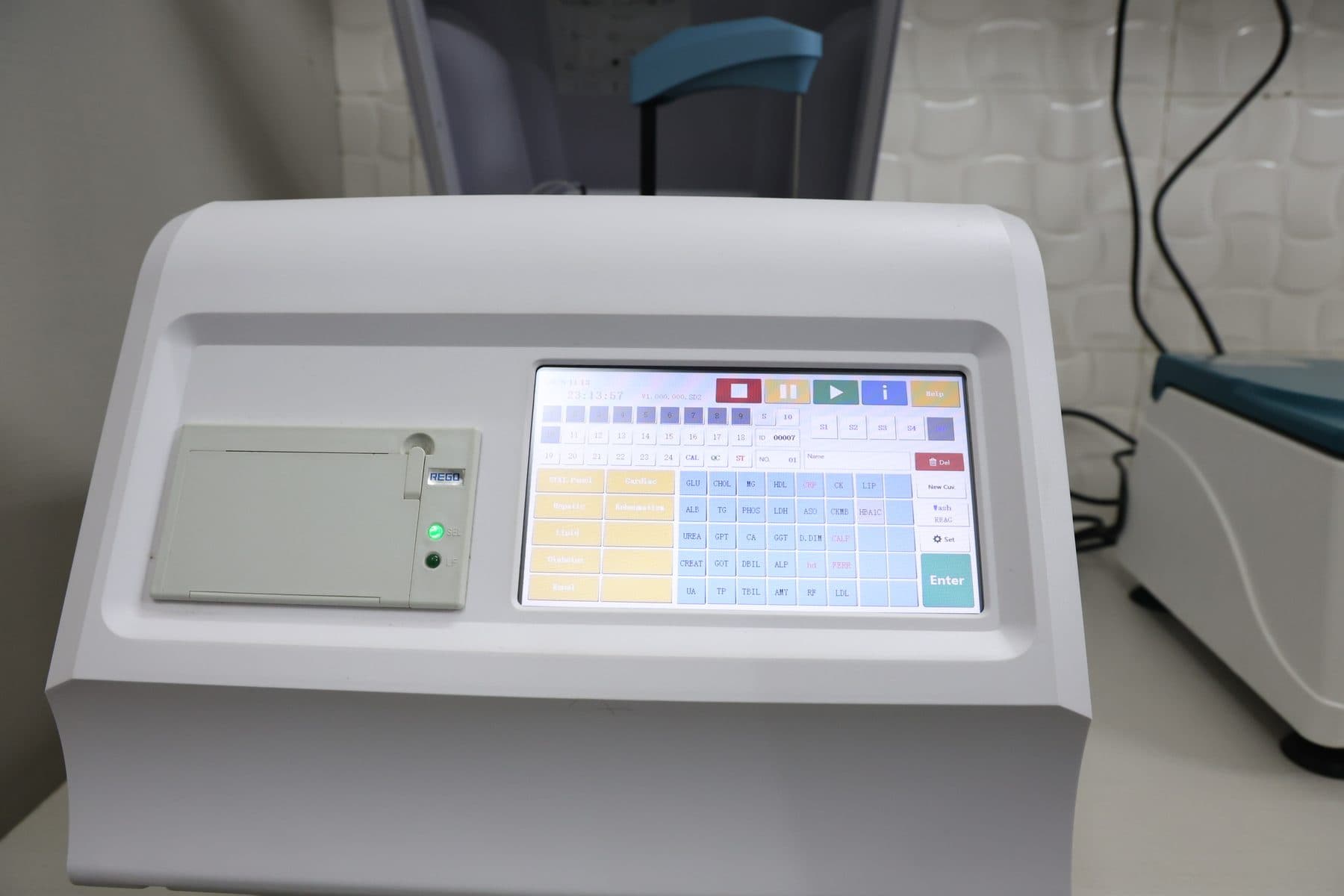
Automatic Blood Chemistry Analyzer
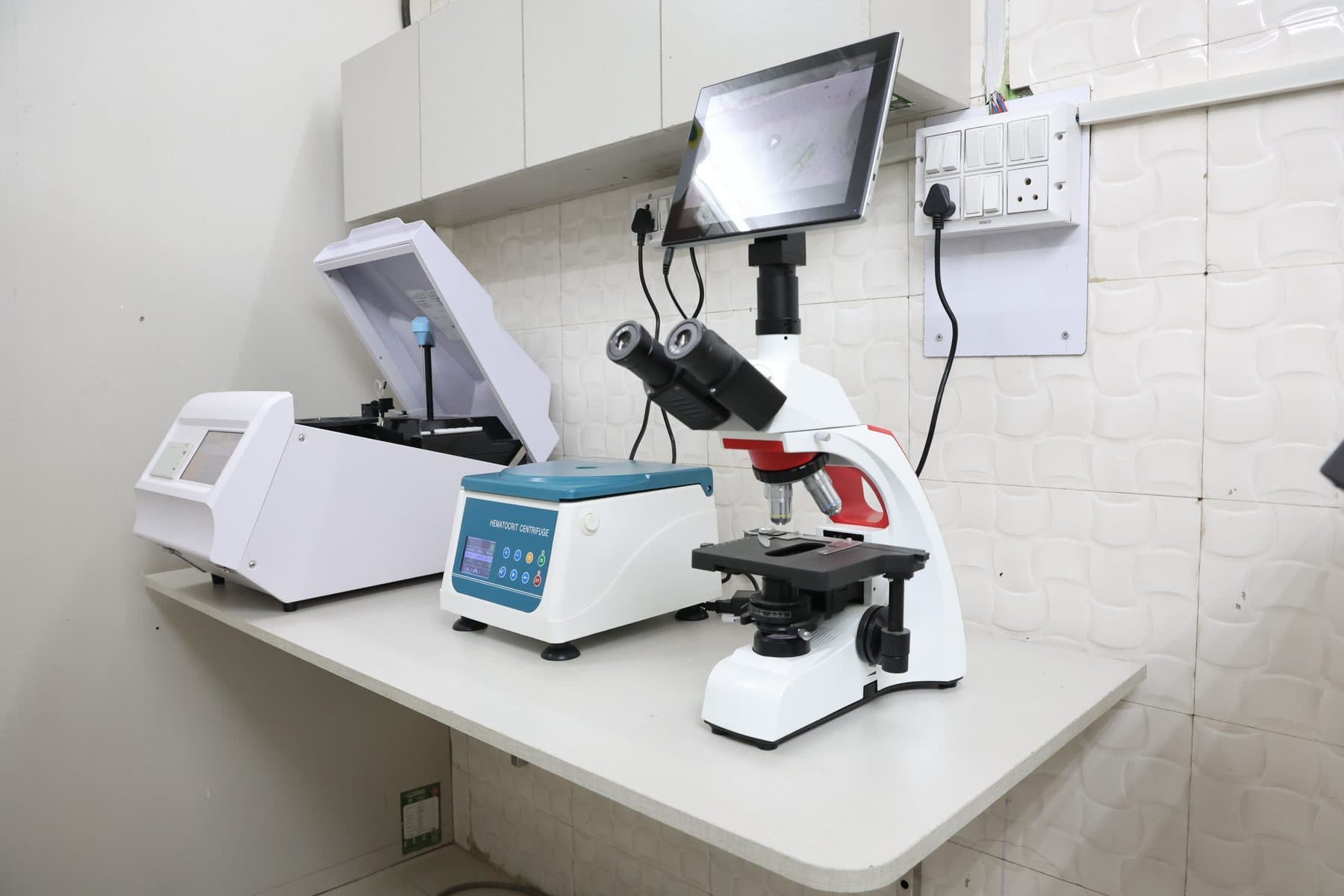
Clinic Microscope
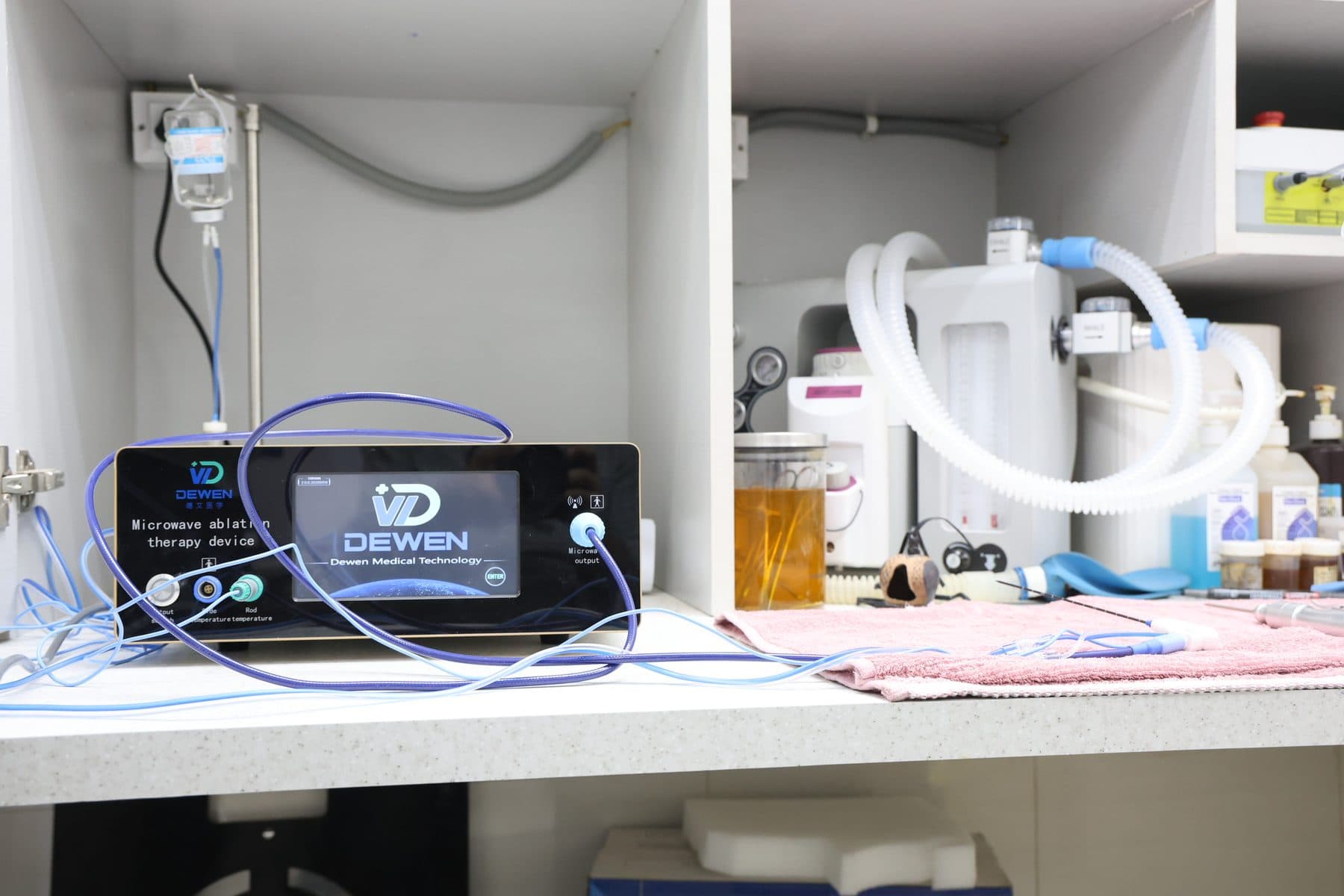
Microwave Ablation Machine
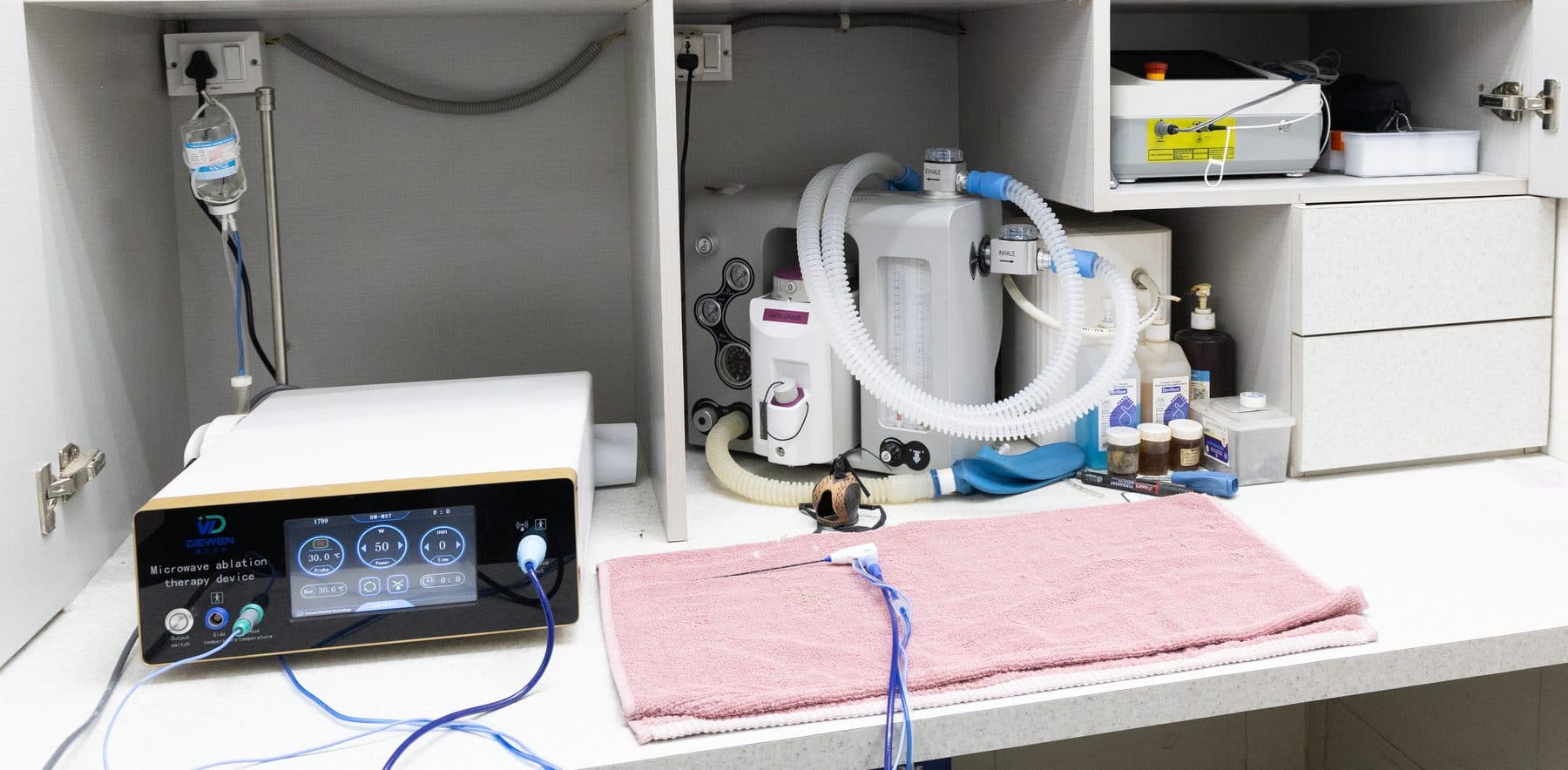
Gas Anesthesia + Microwave Ablation Setup
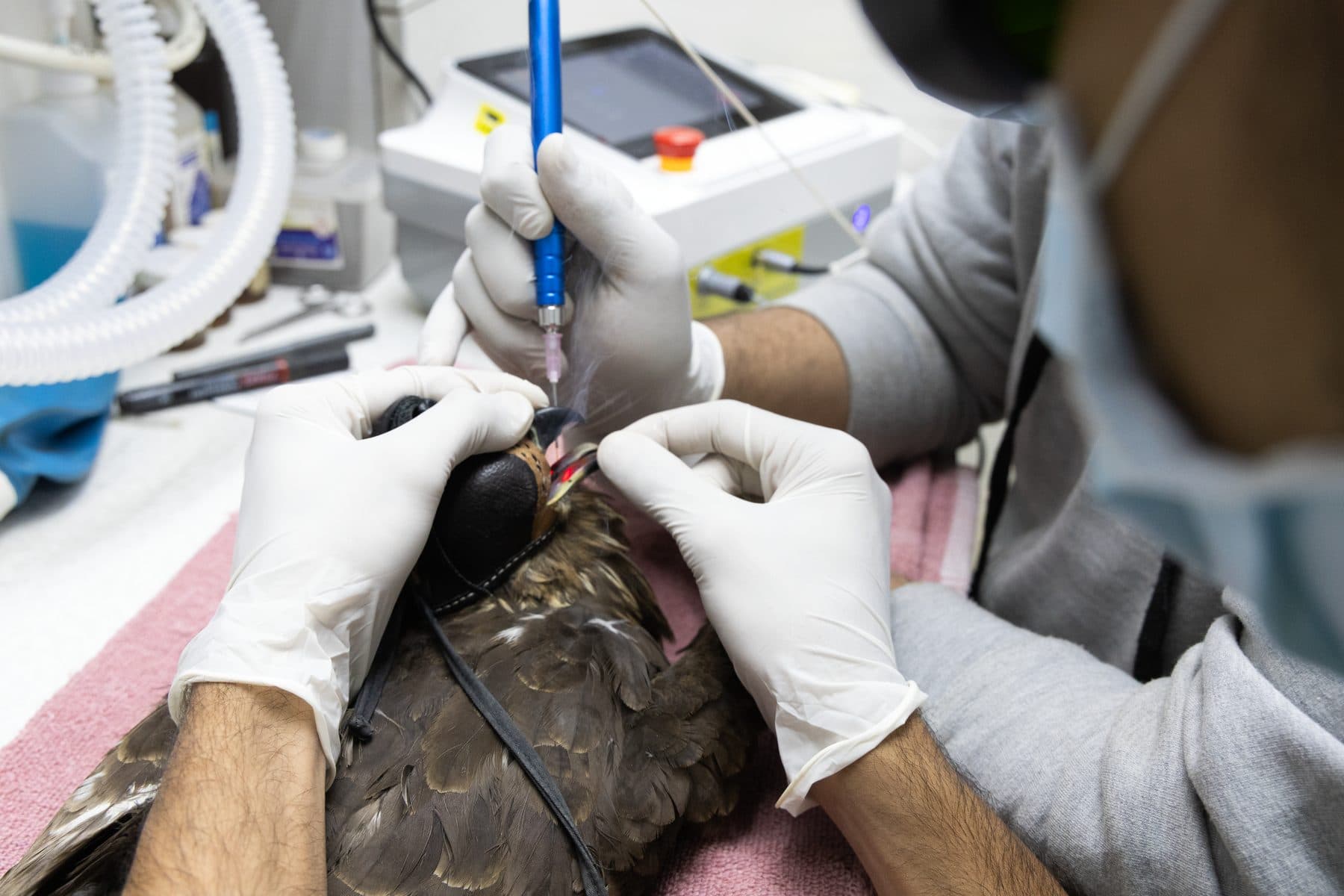
Laser Cautery & Physical Therapy Machine
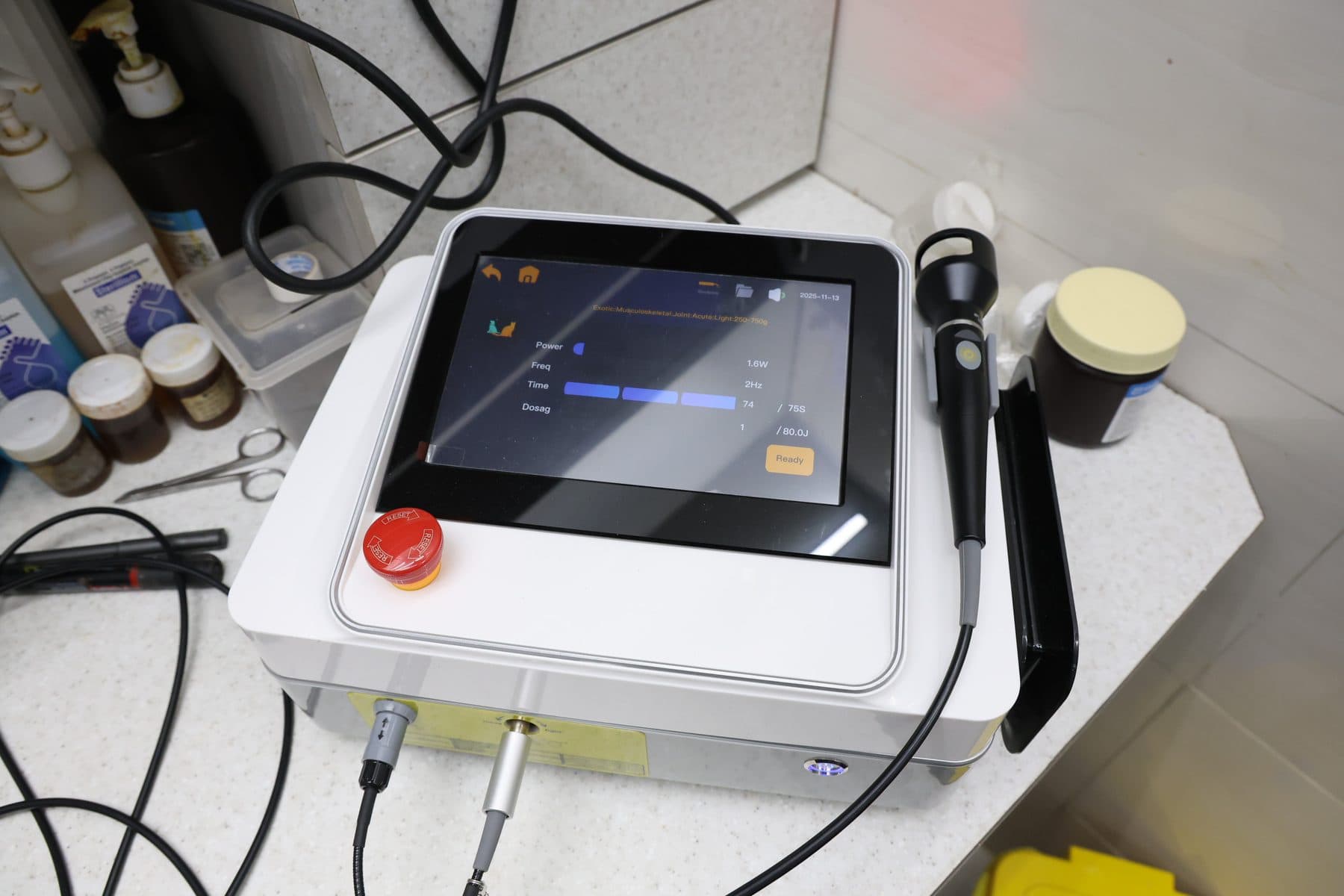
Laser Cautery & Physical Therapy — Alternate View
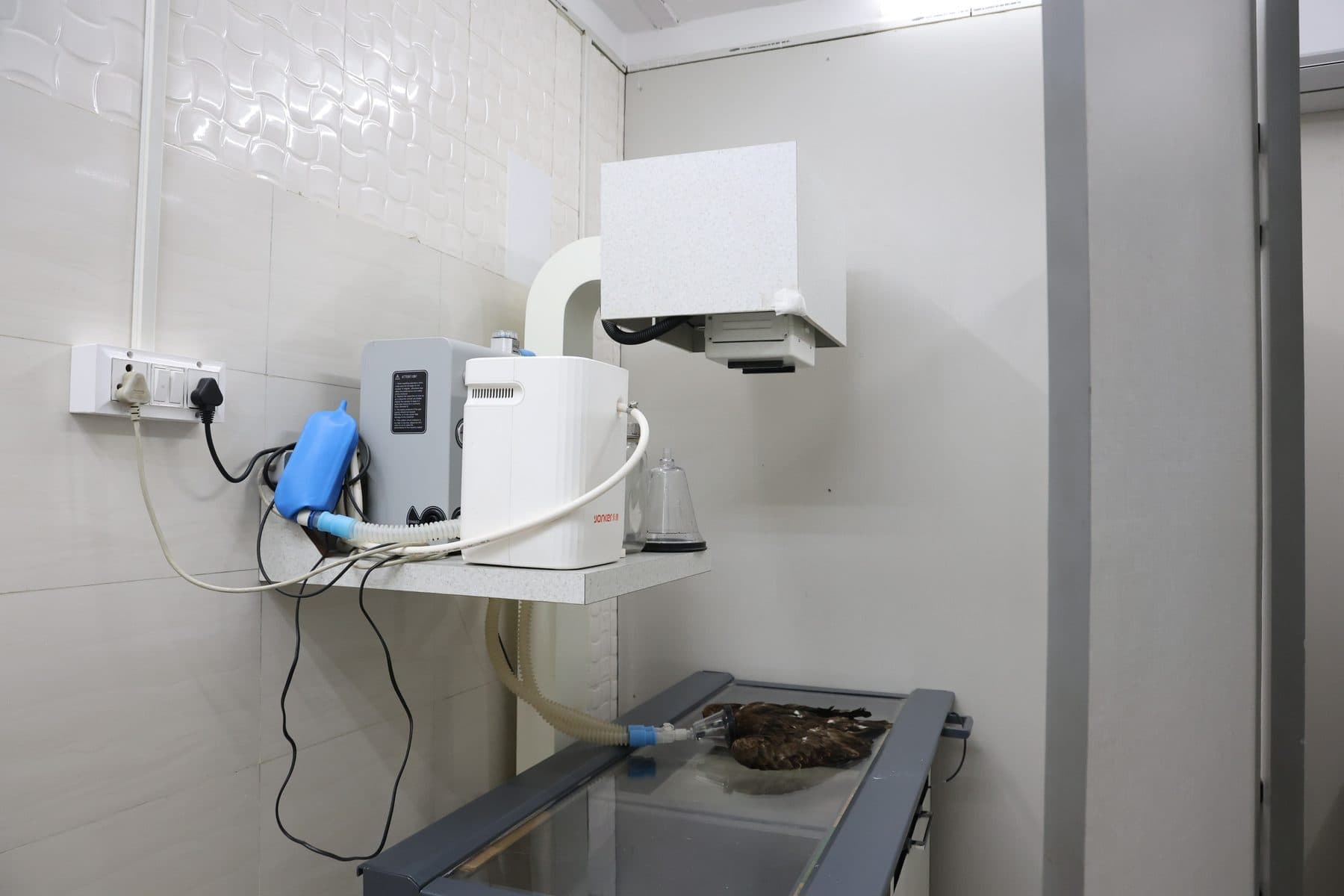
Digital X-Ray with DR Detector + Gas Anesthesia
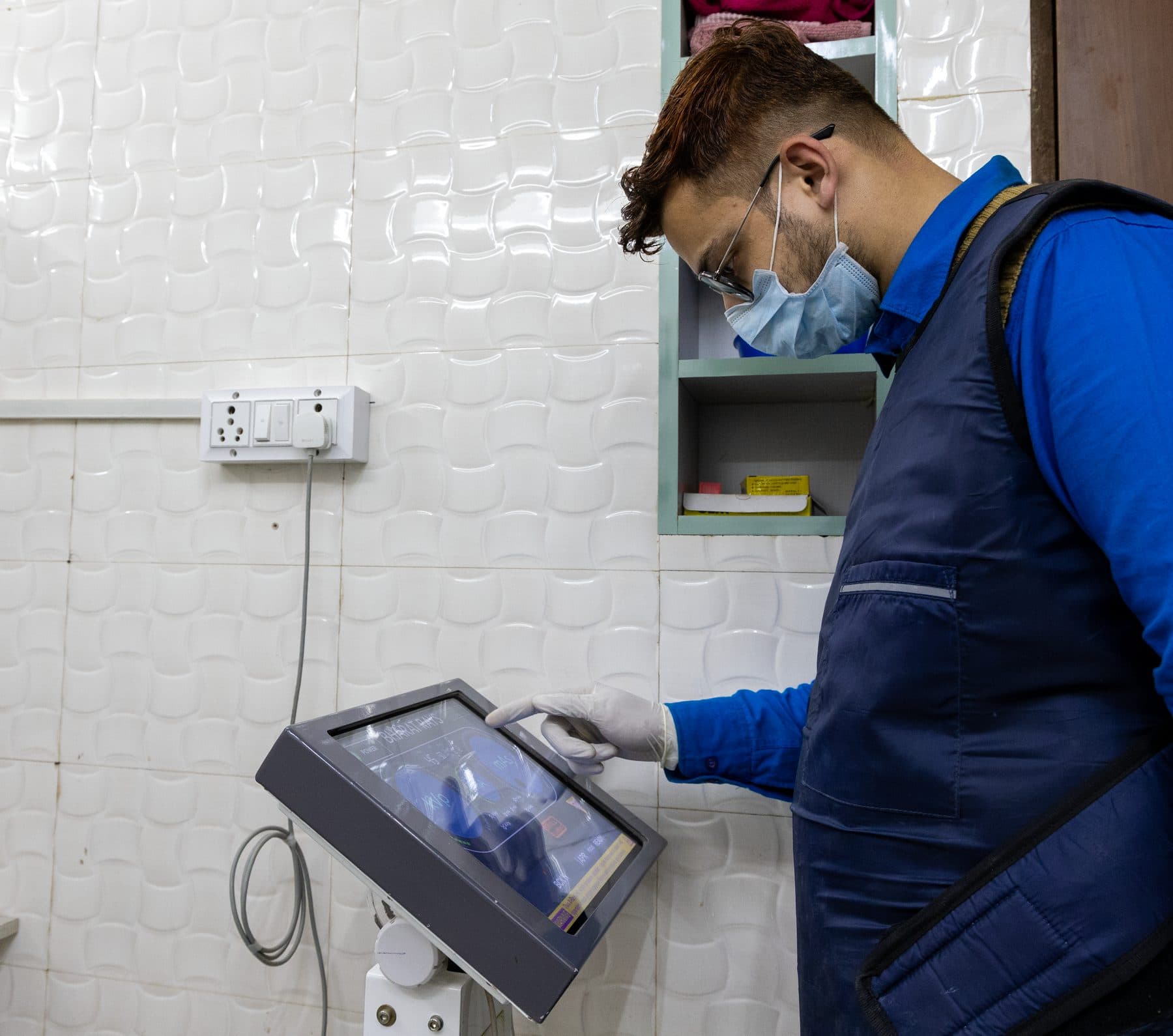
X-Ray Machine — Control & Switch
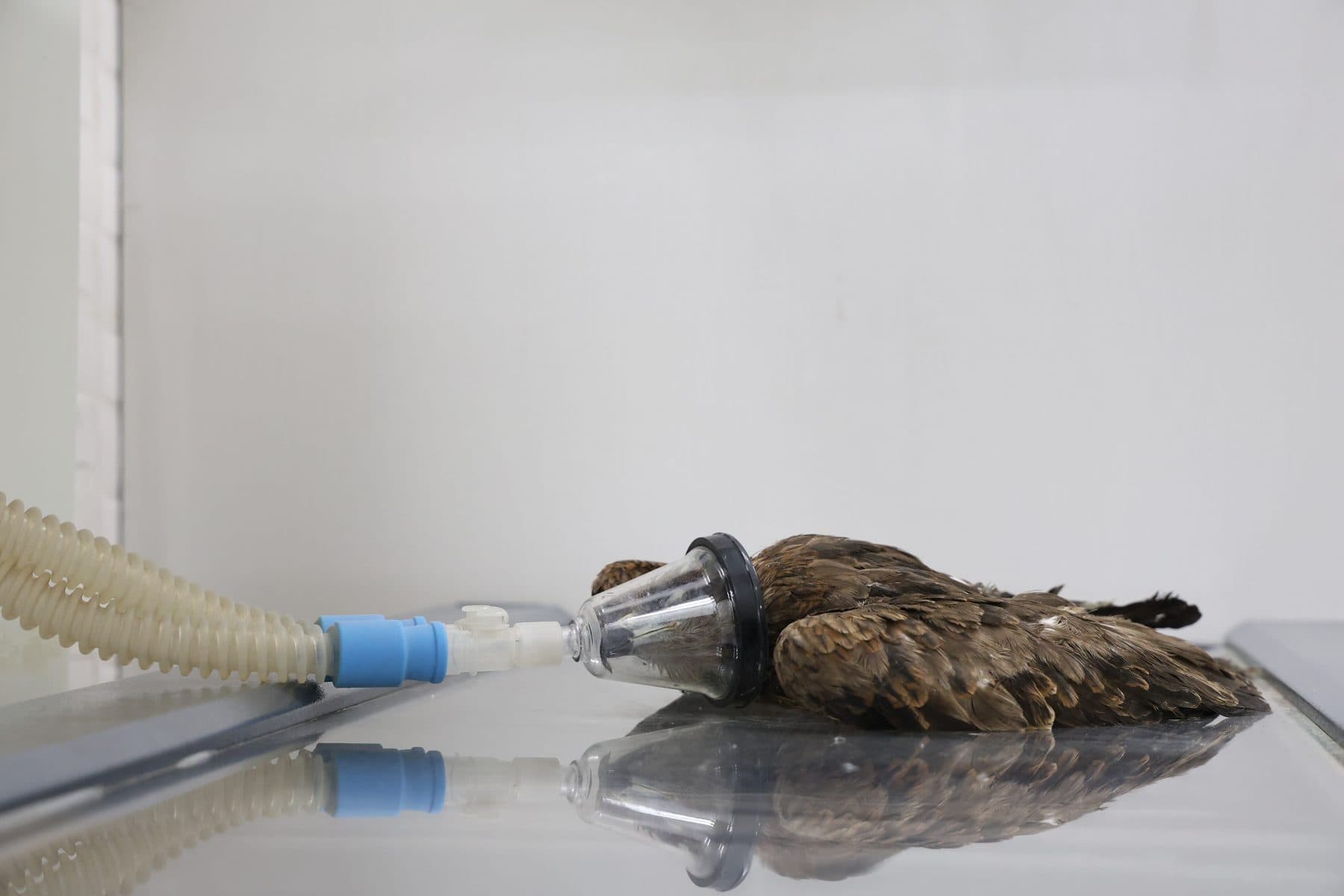
Black Kite — Under Anesthesia for X-Ray
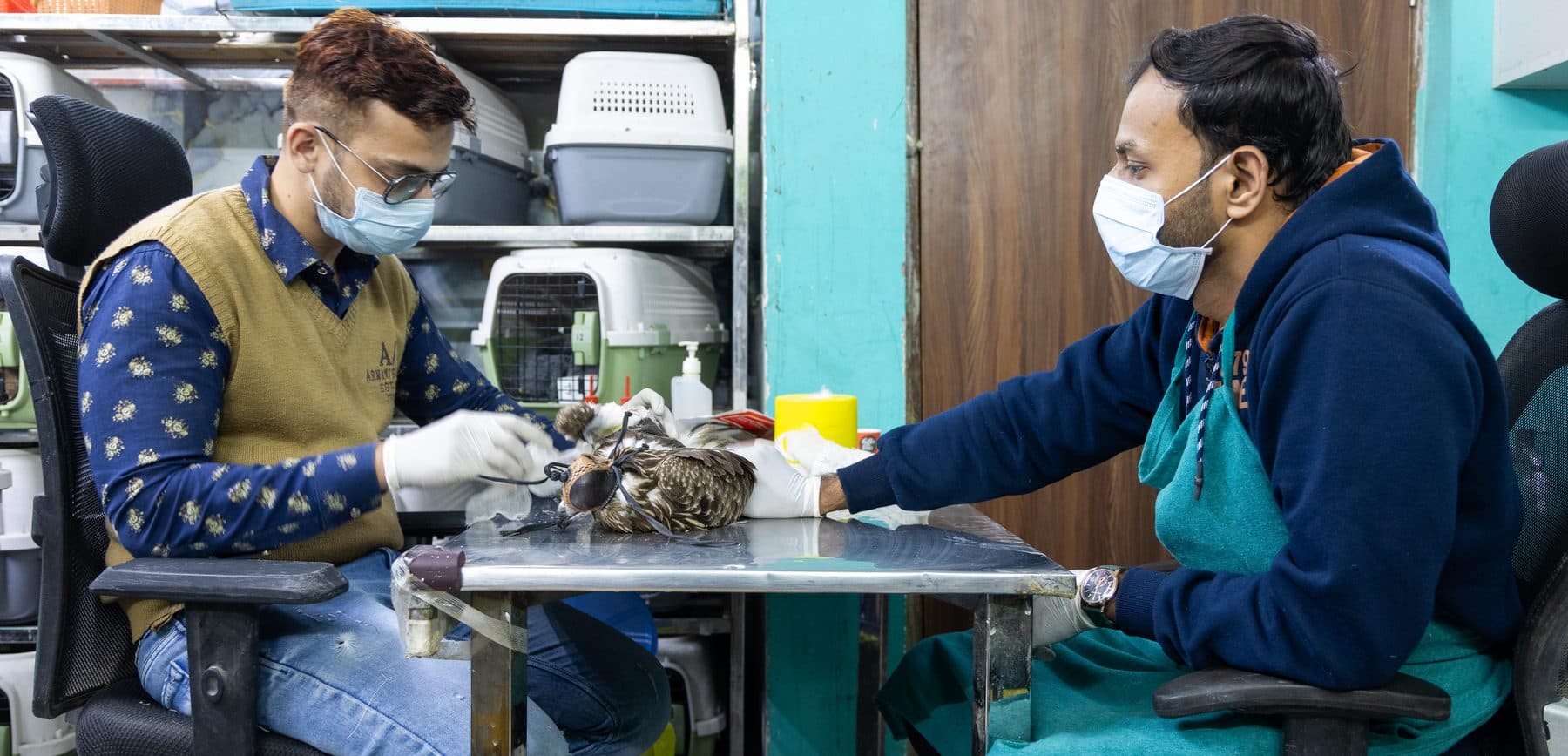
Bandage Change at the Clinic
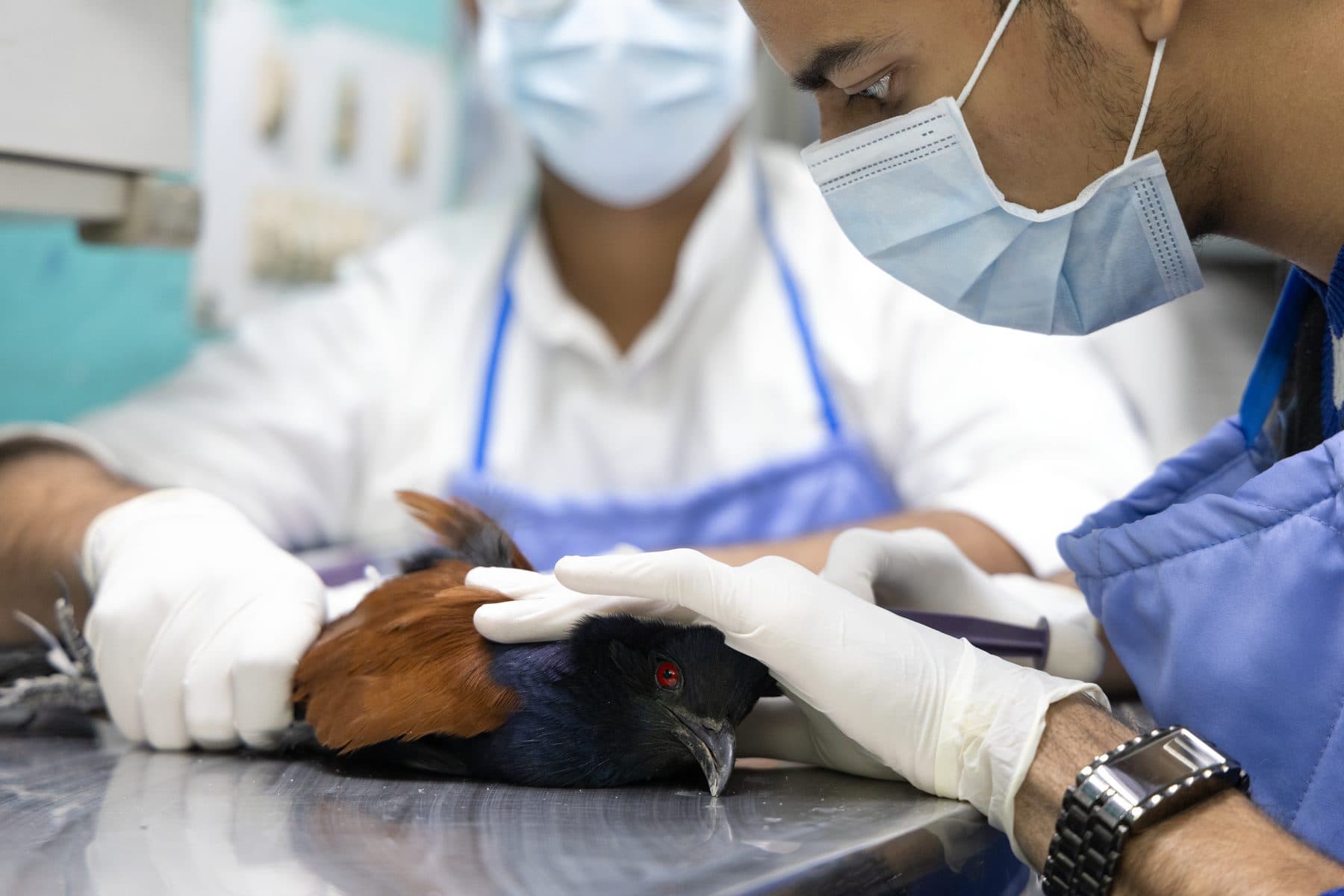
Fluid Therapy for Hydration
From the moment a raptor arrives until it's ready to move to the aviary complex.
The bird is logged, photographed, and given an initial physical assessment. The clock starts on critical injuries — every minute matters.
X-rays reveal fractures, foreign bodies, and internal injuries. Blood work in the lab confirms infection, anemia, or organ stress before any procedure.
From a routine wound clean to a multi-hour propatagium reconstruction, the surgical theater handles cases most facilities refer out or decline.
Heated, low-stress recovery boxes with continuous monitoring. Pain management, fluid therapy, and medication schedules dialed in to species-specific needs.
Once stable and feeding independently, the bird moves out of the clinic and into the aviary complex for rehabilitation and flight reconditioning.
Surgical instruments, imaging equipment upgrades, and ICU supplies — every donation directly funds the tools that save raptor lives.
