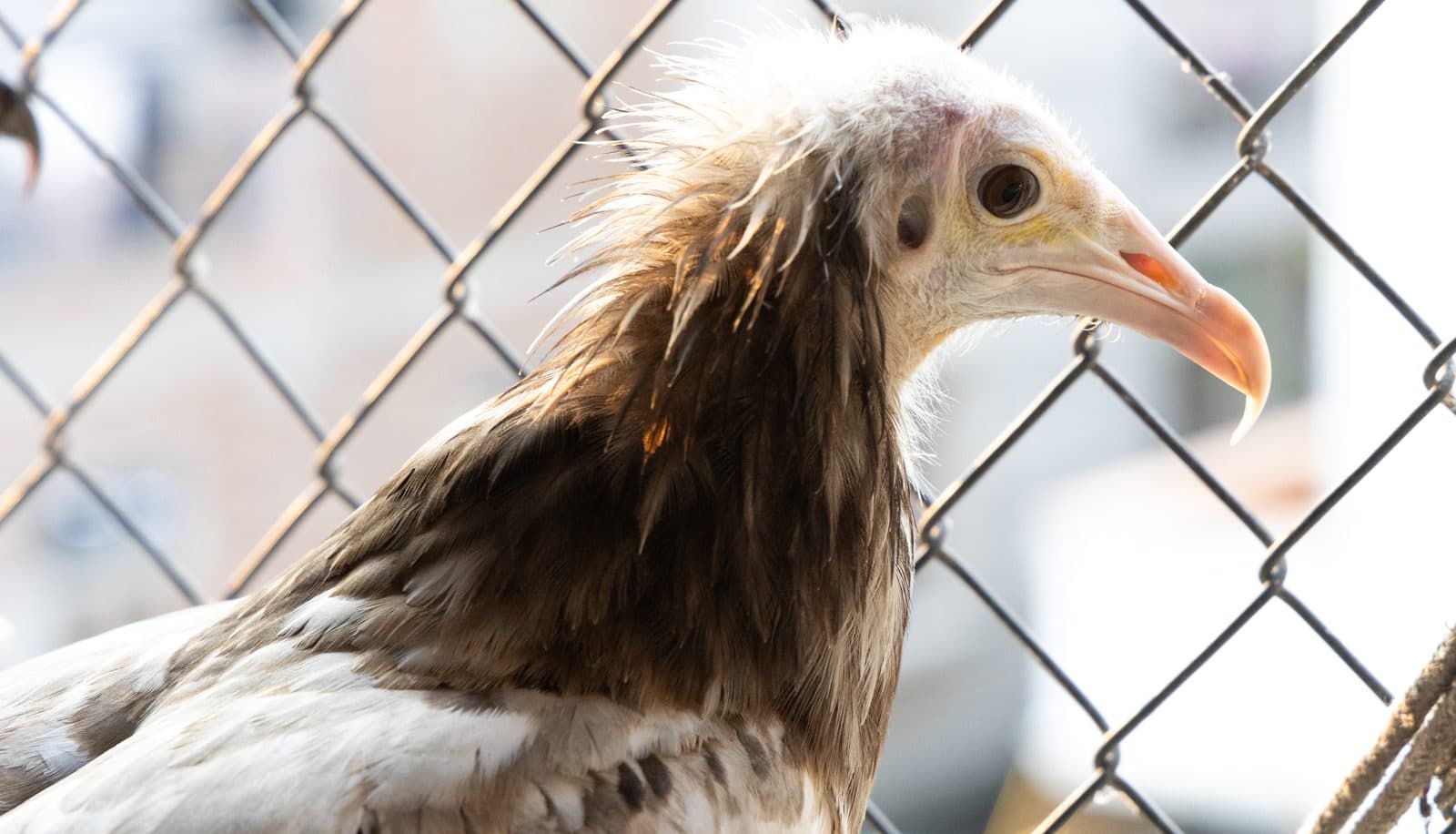
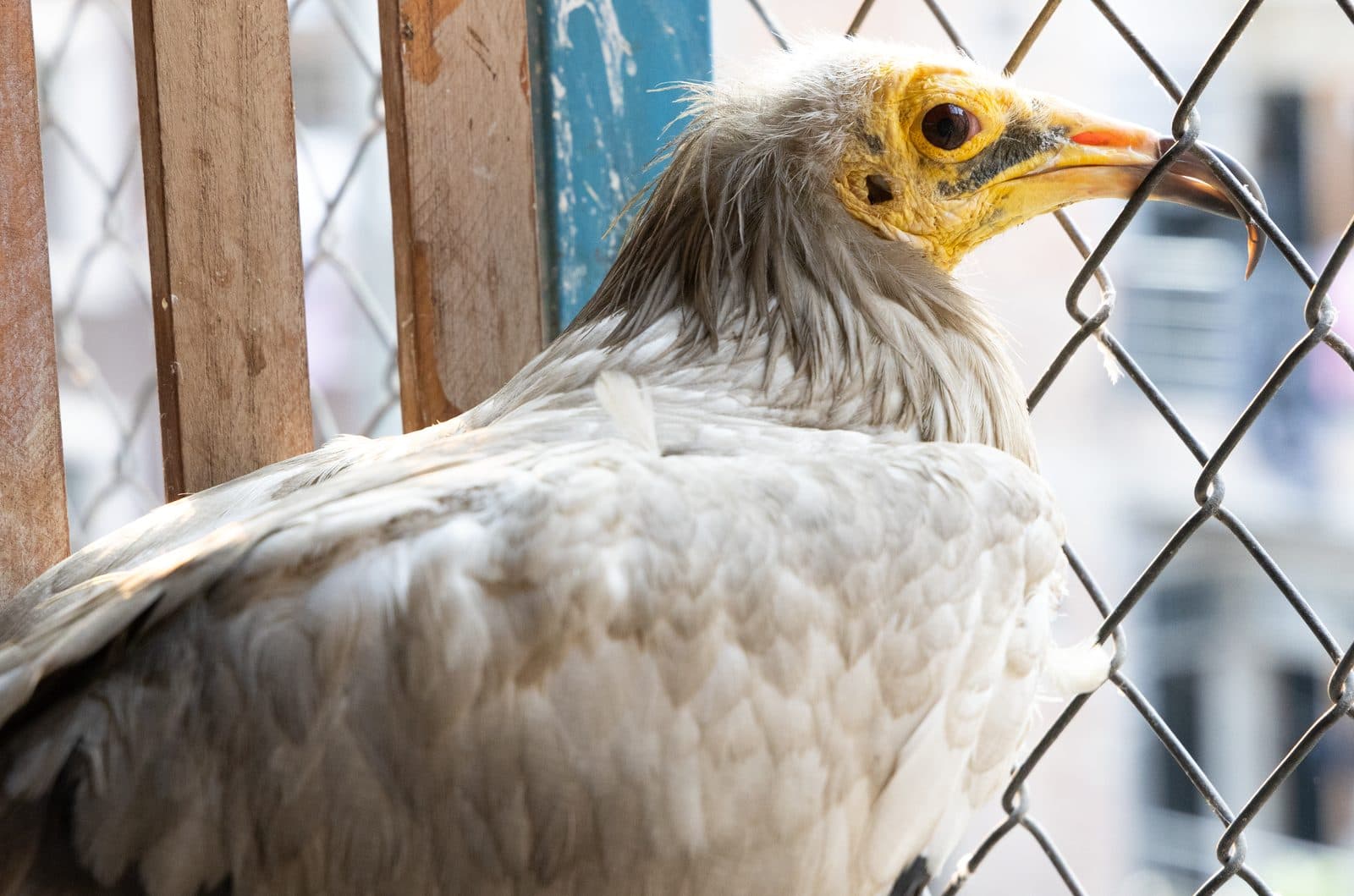
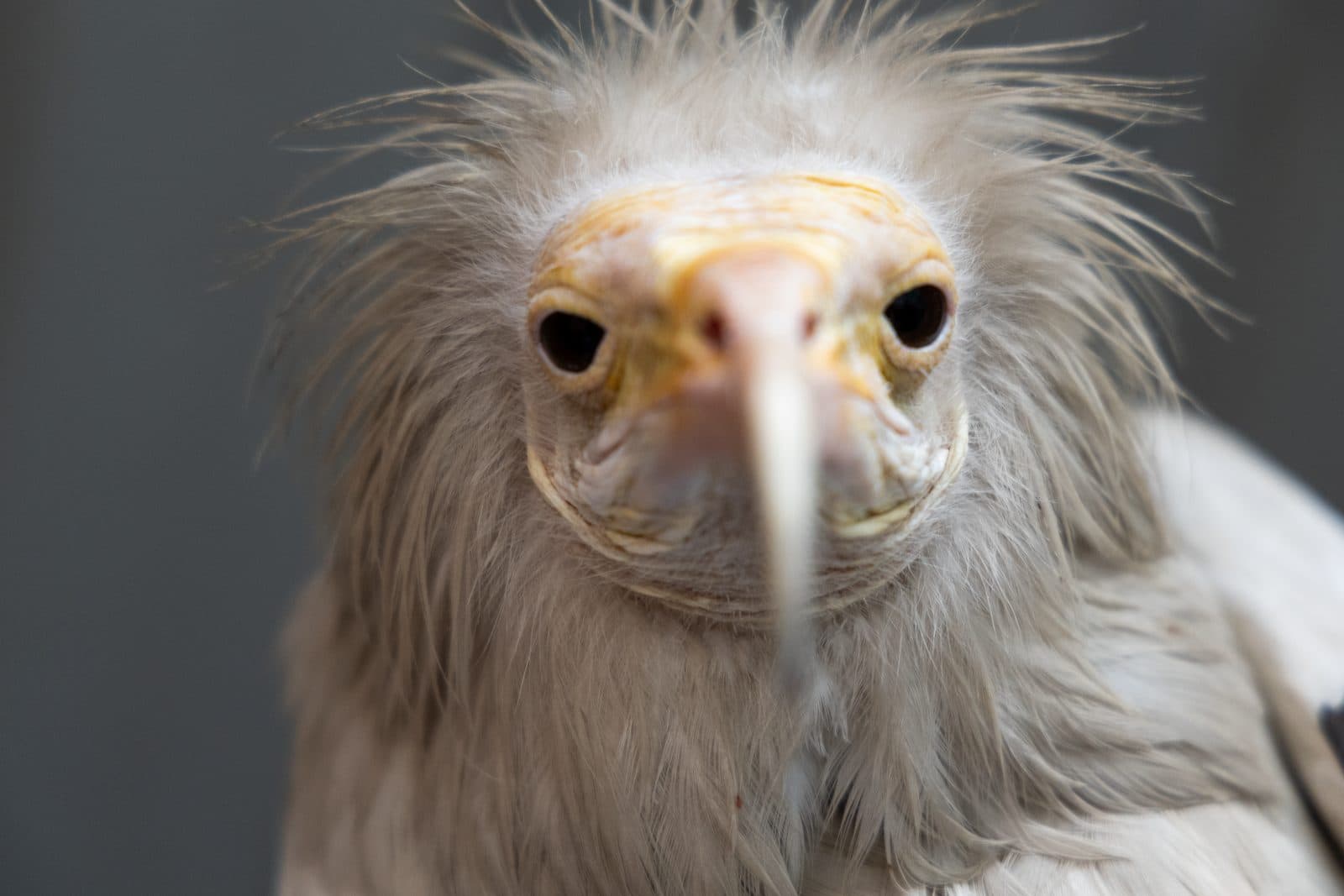
Once numbering in the millions, South Asia's vulture populations have suffered the most catastrophic decline of any bird group in recorded history.
Population decline since 1990s
Vulture species in India
Critically Endangered
Vultures treated by WR (2020-25)
How a common painkiller nearly wiped out an entire group of species.
Diclofenac, a non-steroidal anti-inflammatory drug (NSAID) widely used to treat livestock pain, is lethal to vultures. When vultures feed on the carcasses of animals treated with diclofenac shortly before death, the drug causes acute kidney failure — killing vultures within days. This single drug drove the White-rumped Vulture from being the most abundant large raptor on Earth to near-extinction.
Mysterious mass die-offs observed. White-rumped Vulture — once described as 'possibly the most abundant large bird of prey in the world' — starts disappearing.
Scientists discover that diclofenac, a common veterinary painkiller given to livestock, causes fatal kidney failure in vultures that feed on treated carcasses.
IUCN Red List upgrades Egyptian Vulture from Least Concern to Endangered as Indian populations show >35% annual decline. Road transect counts dropped 68% between 2000-2003.
The Indian government bans diclofenac for veterinary use. However, illegal use continues and human-formulation diclofenac is often diverted for animal treatment.
Galligan et al. (2014) report indications that Egyptian Vulture declines appear to have slowed after the ban, though small numbers make conclusions less robust.
India's 4 Critically Endangered vulture species remain at dangerously low numbers. An estimated 12,400-36,000 Egyptian Vultures survive globally.
Sources: IUCN Red List (BirdLife International, 2021); Galligan et al. (2014) Bird Conservation International; Kumar et al. (2026) EcoHealth; Oaks et al. (2004); Prakash et al. (2003).
Four are Critically Endangered. One is Endangered. None are safe.
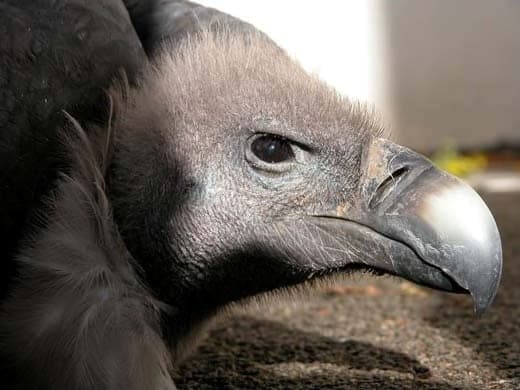 Petra Karstedt / CC BY-SA 1.0
Gyps bengalensis
Bore the brunt of the diclofenac crisis — crashed 99.9% from being the most abundant large raptor on Earth
Threats: Diclofenac poisoning, food source decline, habitat degradation
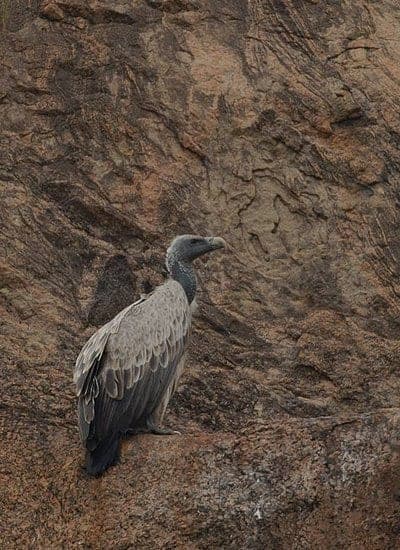 Yathin sk / CC BY-SA 3.0
Gyps indicus
Also called Long-billed Vulture — one of three Gyps species decimated by diclofenac; declined 97.4% from 1992–2003
Threats: Diclofenac poisoning, habitat loss, declining food sources
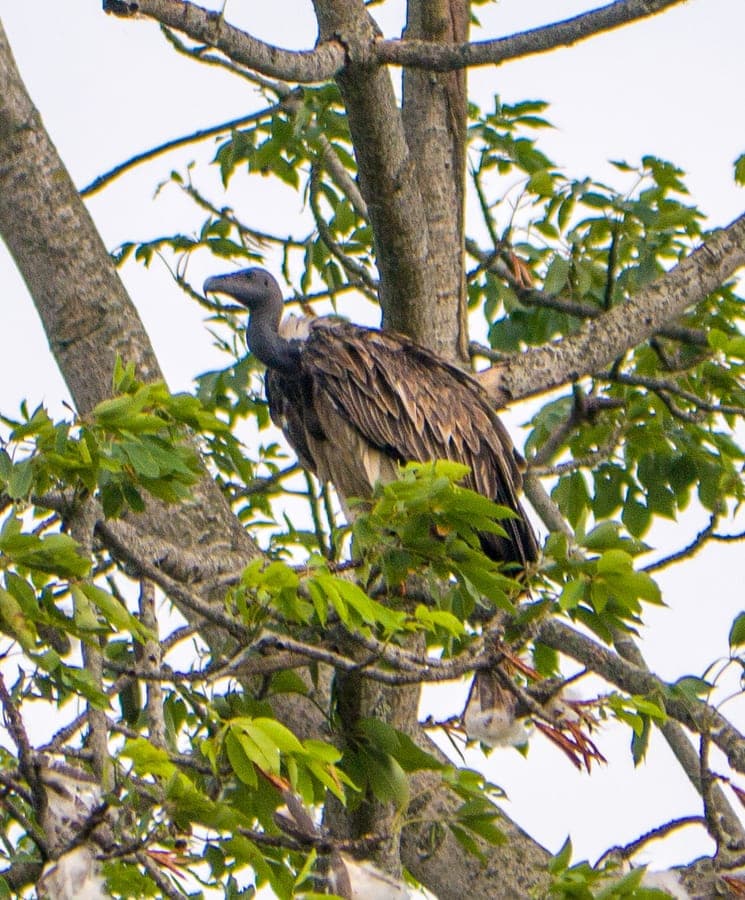 gailhampshire / CC BY 2.0
Gyps tenuirostris
Rarest of the three diclofenac-hit Gyps species — estimated just 150–200 breeding pairs remain globally
Threats: Diclofenac poisoning, habitat loss, food scarcity
 Vishal Sabharwal / CC BY-SA 3.0
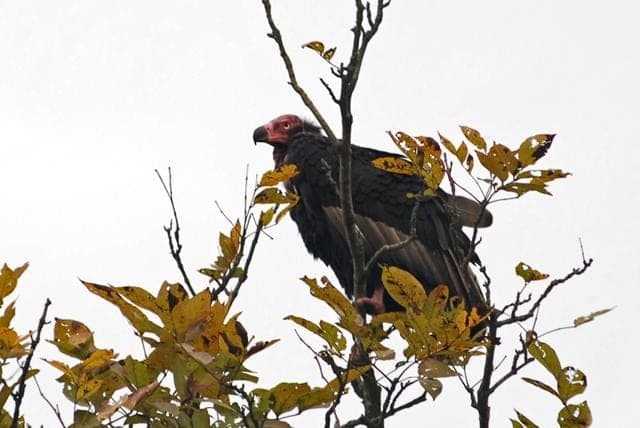
Sarcogyps calvus
Compounded crisis: diclofenac plus persecution for traditional medicine; solitary habits make nest protection harder
Threats: Diclofenac poisoning, active persecution for traditional medicine, habitat loss
 J.M.Garg / CC BY-SA 3.0
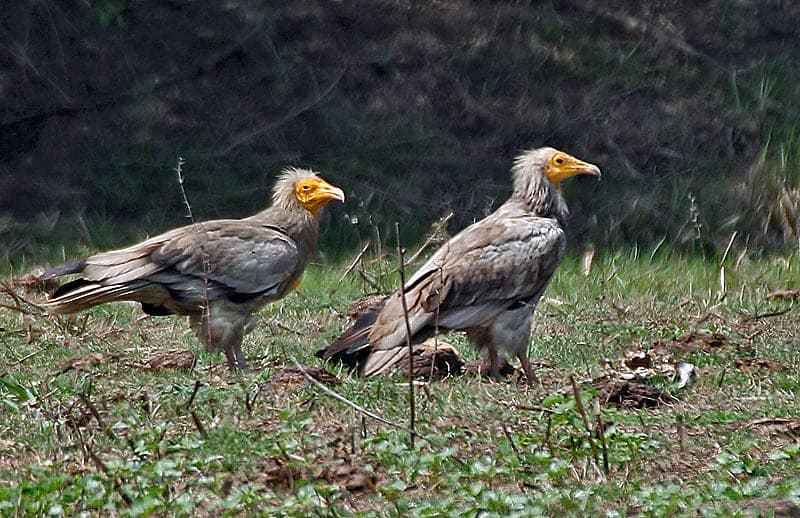
Neophron percnopterus
Unique 'dual jeopardy' — threatened on South Asian wintering grounds AND European/Middle Eastern breeding grounds
Threats: Electrocution, diclofenac, pesticide exposure
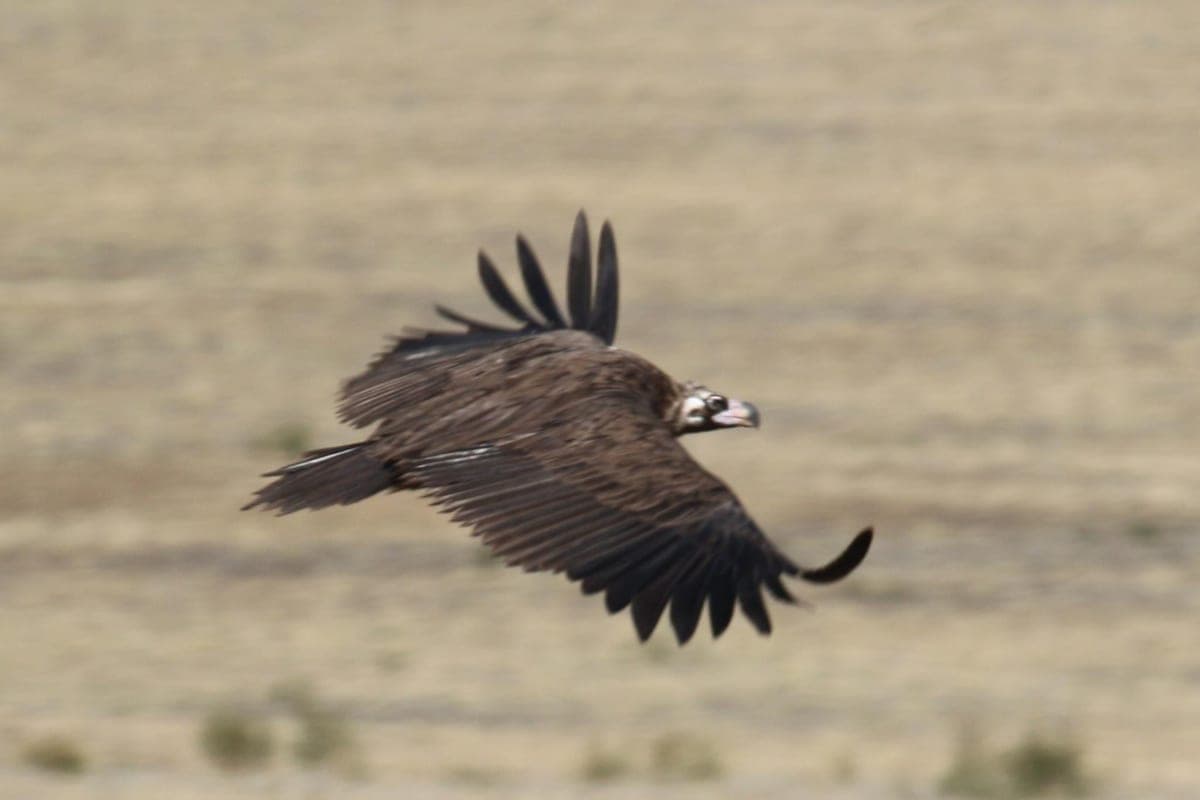 Alastair Rae / CC BY-SA 2.0
Aegypius monachus
Winter visitor only — its global decline reduces how many birds even arrive in India each season
Threats: Global population decline, habitat loss in breeding range, NSAID exposure on wintering grounds
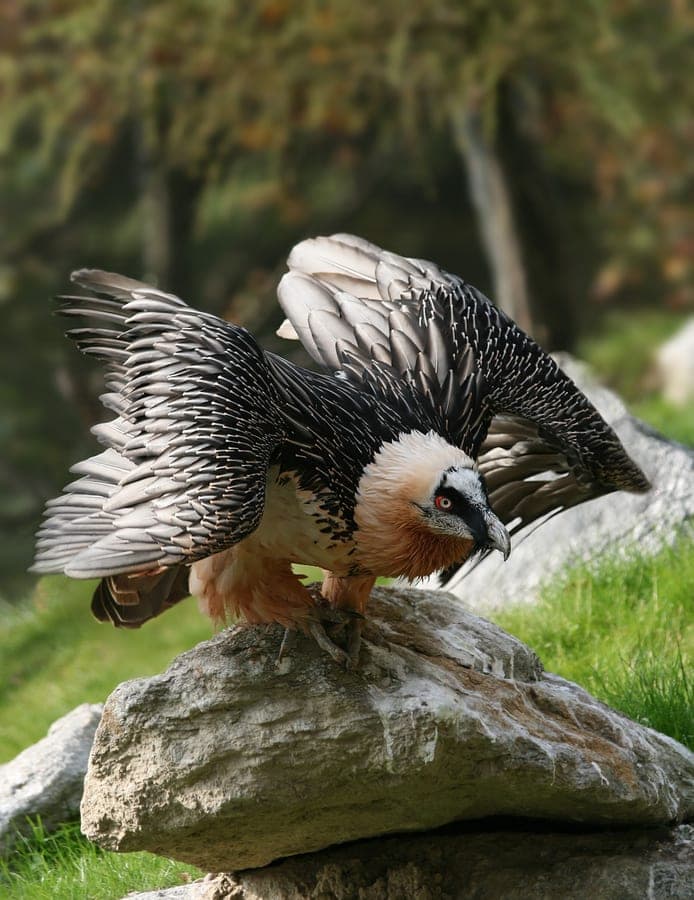 Richard Bartz / CC BY-SA 2.5
Gypaetus barbatus
Also called Lammergeier — feeds primarily on bones; restricted to Himalayan ranges in India
Threats: Habitat destruction, poisoning, food source decline
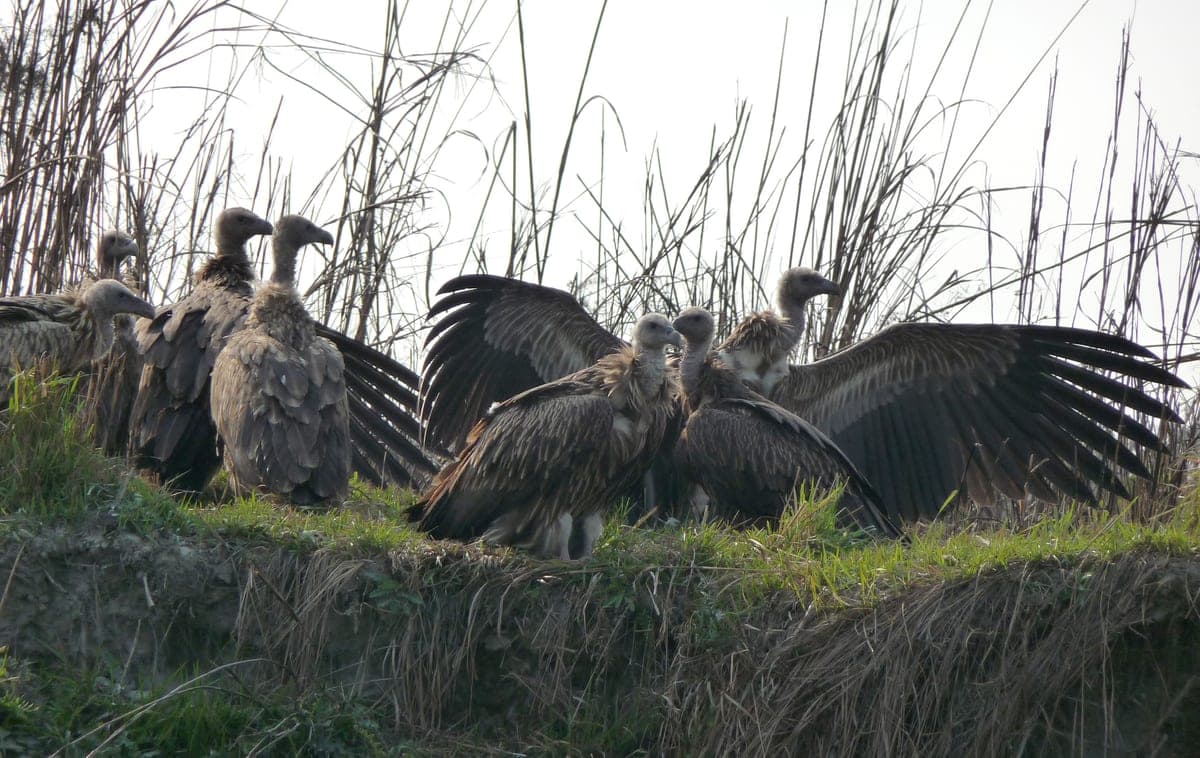 gailhampshire / CC BY 2.0
Gyps himalayensis
Relative success story (Least Concern) — but power line electrocution and winter NSAID exposure from the plains are eroding even its numbers
Threats: Power line electrocution, NSAID exposure from plains, habitat disturbance
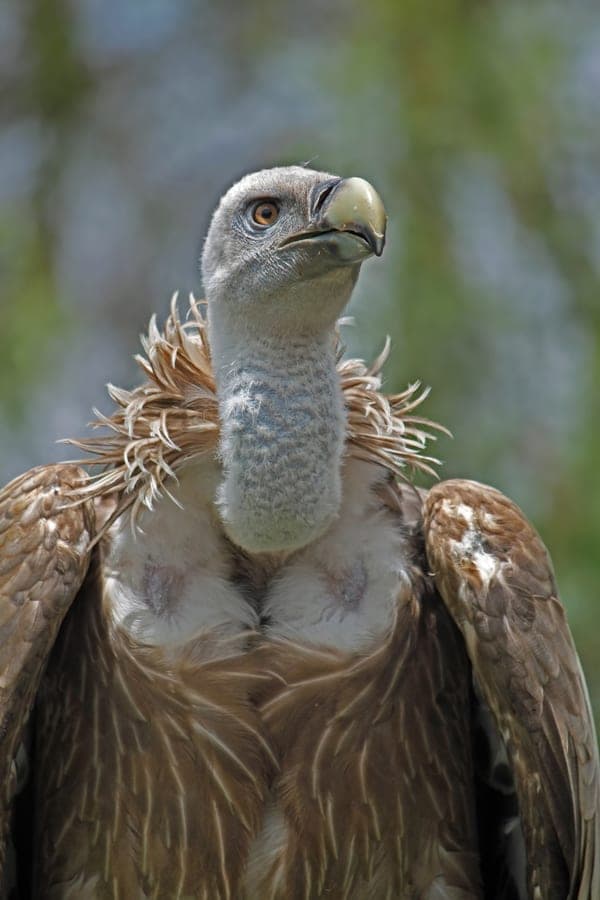 H. Zell / CC BY-SA 3.0
Gyps fulvus
Declining in Central Asia; its global range contraction reduces winter visitor numbers in India
Threats: Habitat loss, poisoning, collision with power infrastructure
Conservation status per IUCN Red List. CR = Critically Endangered, EN = Endangered, VU = Vulnerable, NT = Near Threatened, LC = Least Concern.
Source: Kumar et al. (2026) EcoHealth; IUCN (2021).
Not all vultures face the same threats — understanding these distinctions shapes how we treat and advocate for each one.
These three Gyps species bore the brunt of the diclofenac crisis and are all Critically Endangered. A single contaminated carcass can wipe out an entire flock — they feed communally, so the toxin spreads through dozens of birds at once. Their recovery depends entirely on the permanent ban of veterinary diclofenac and its replacement with meloxicam.
Diclofenac hit it hard, but this species also faces active persecution — hunted for use in traditional medicine and witchcraft practices. Unlike the communal Gyps species, Red-headed Vultures are largely solitary, making it harder for rangers and rescuers to locate and protect nesting pairs.
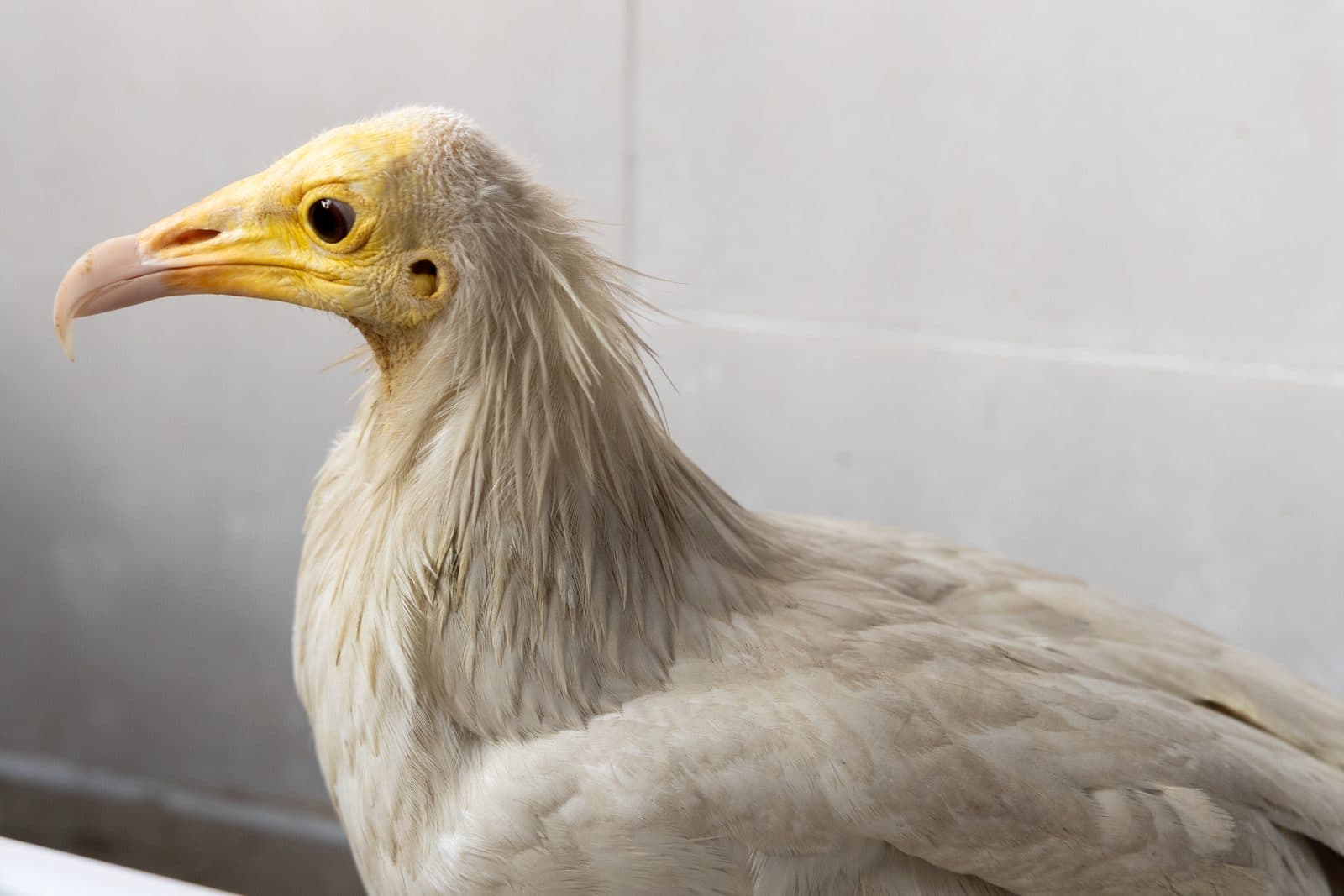
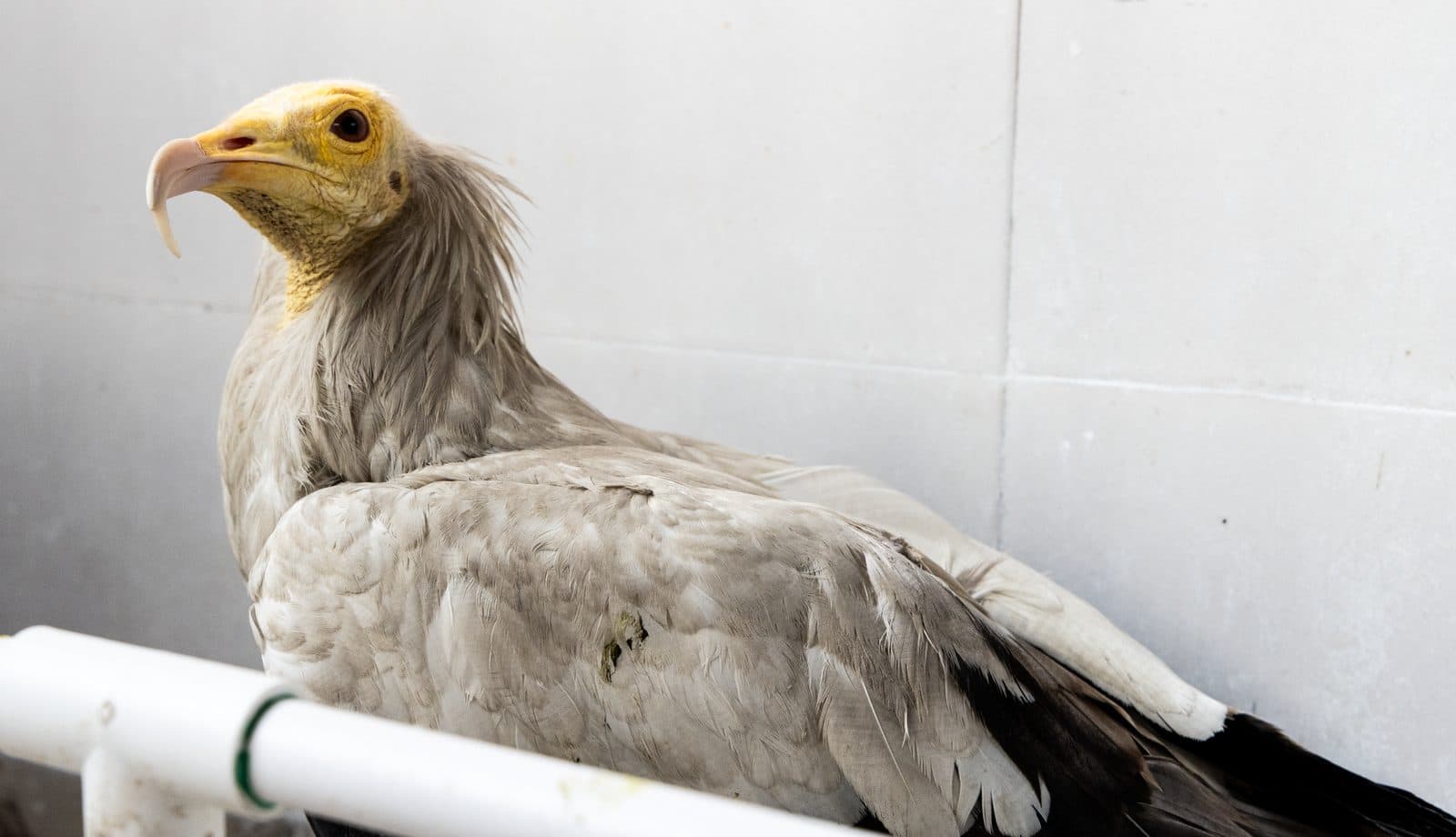
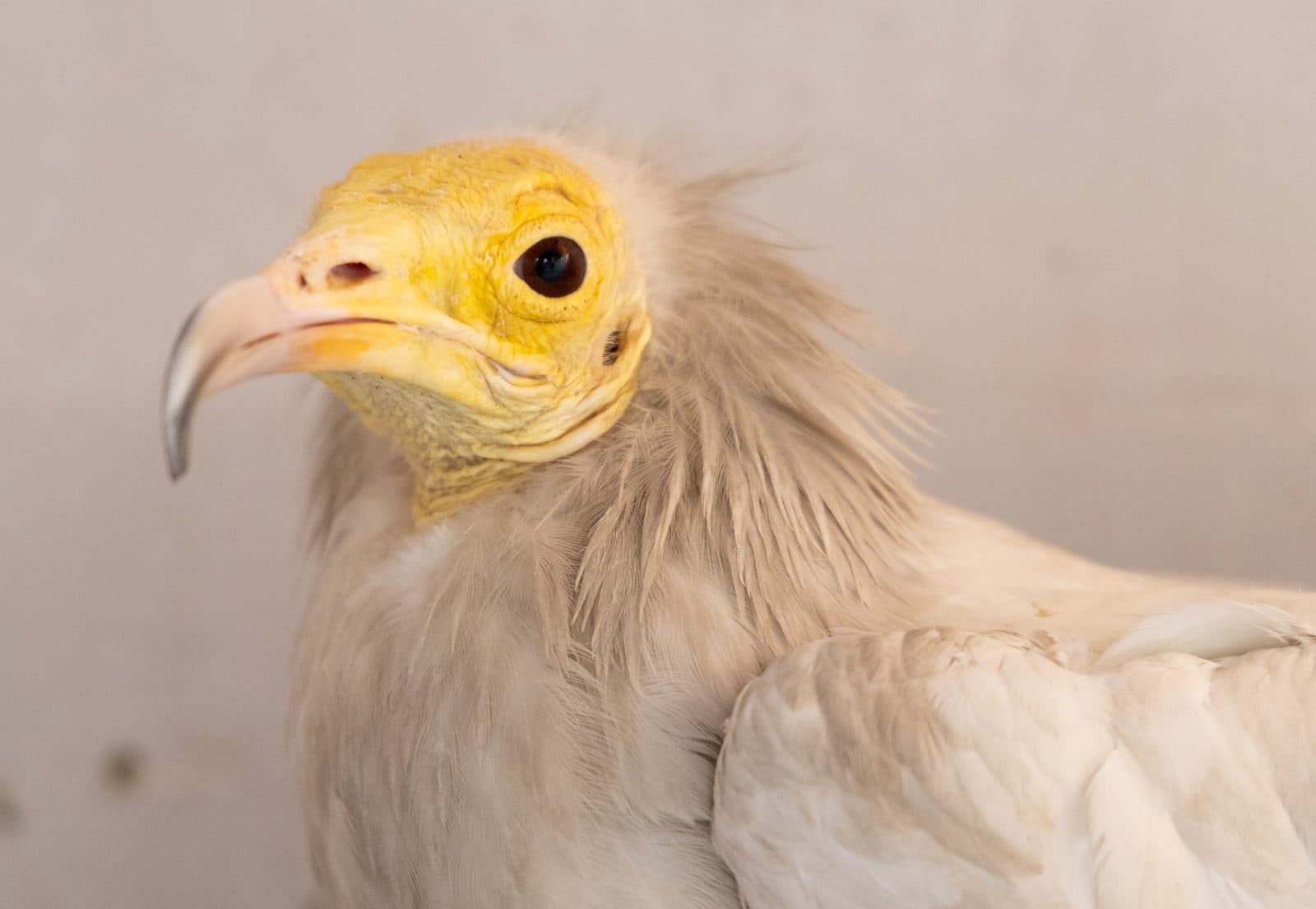
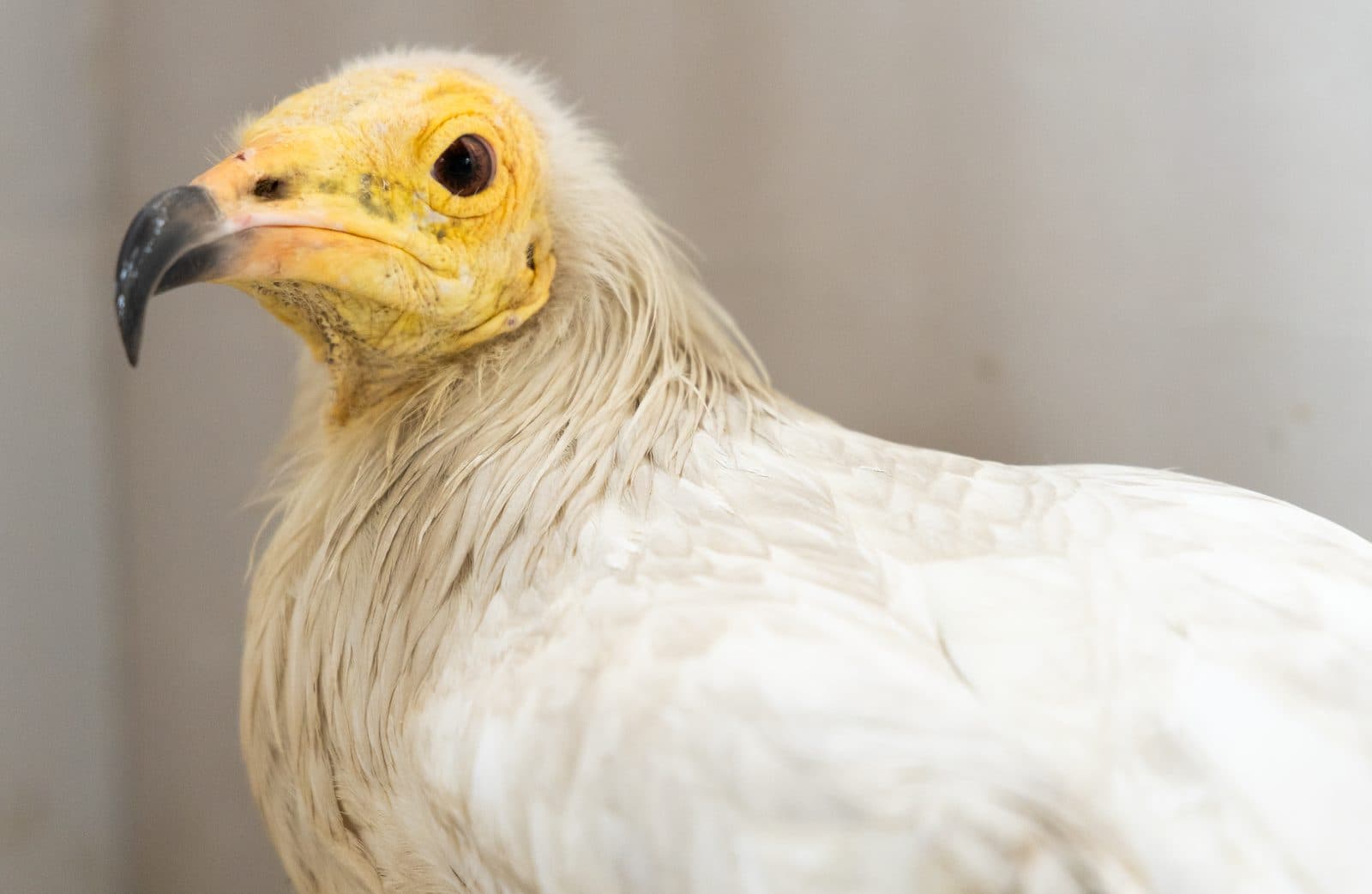
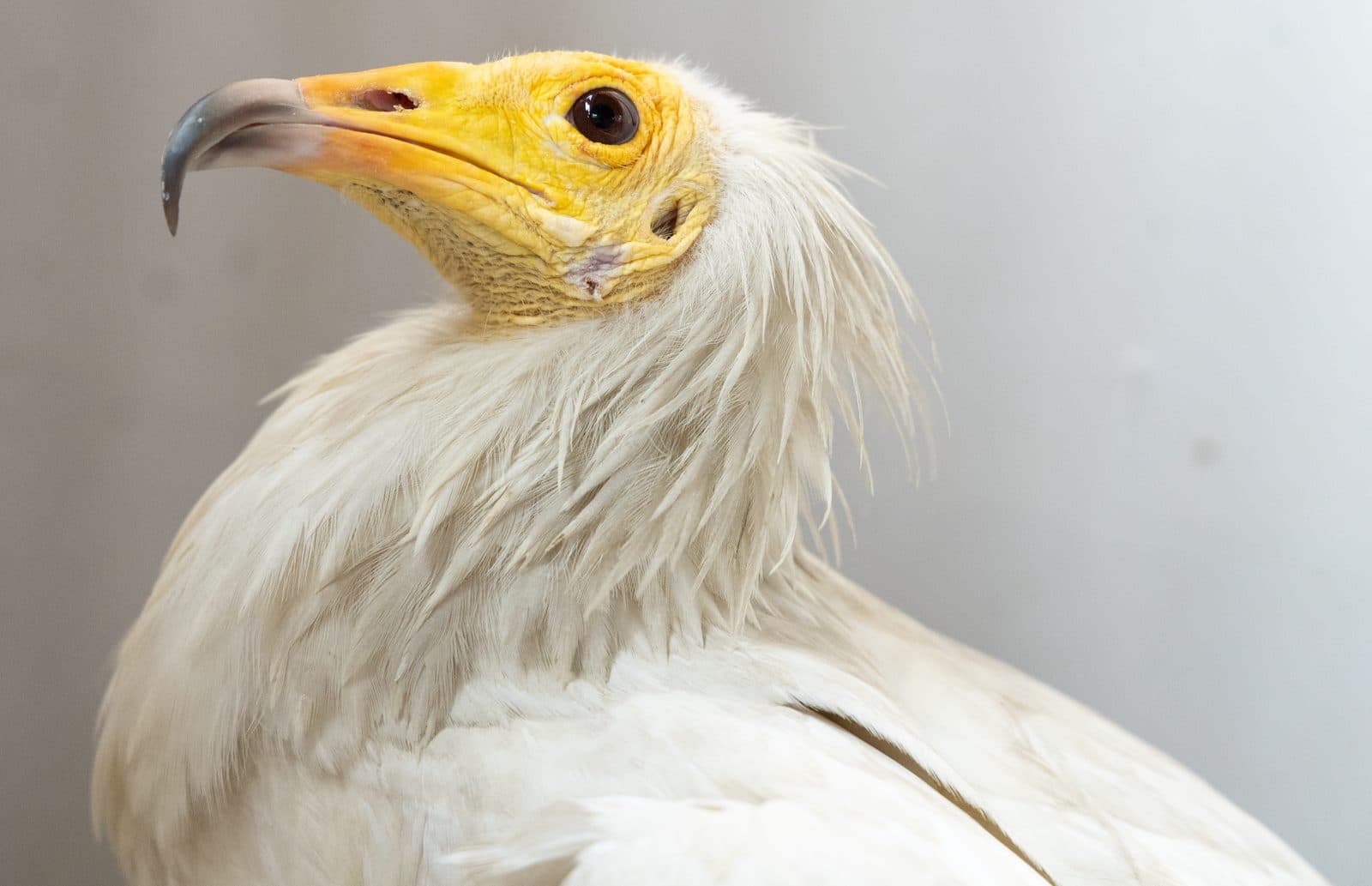
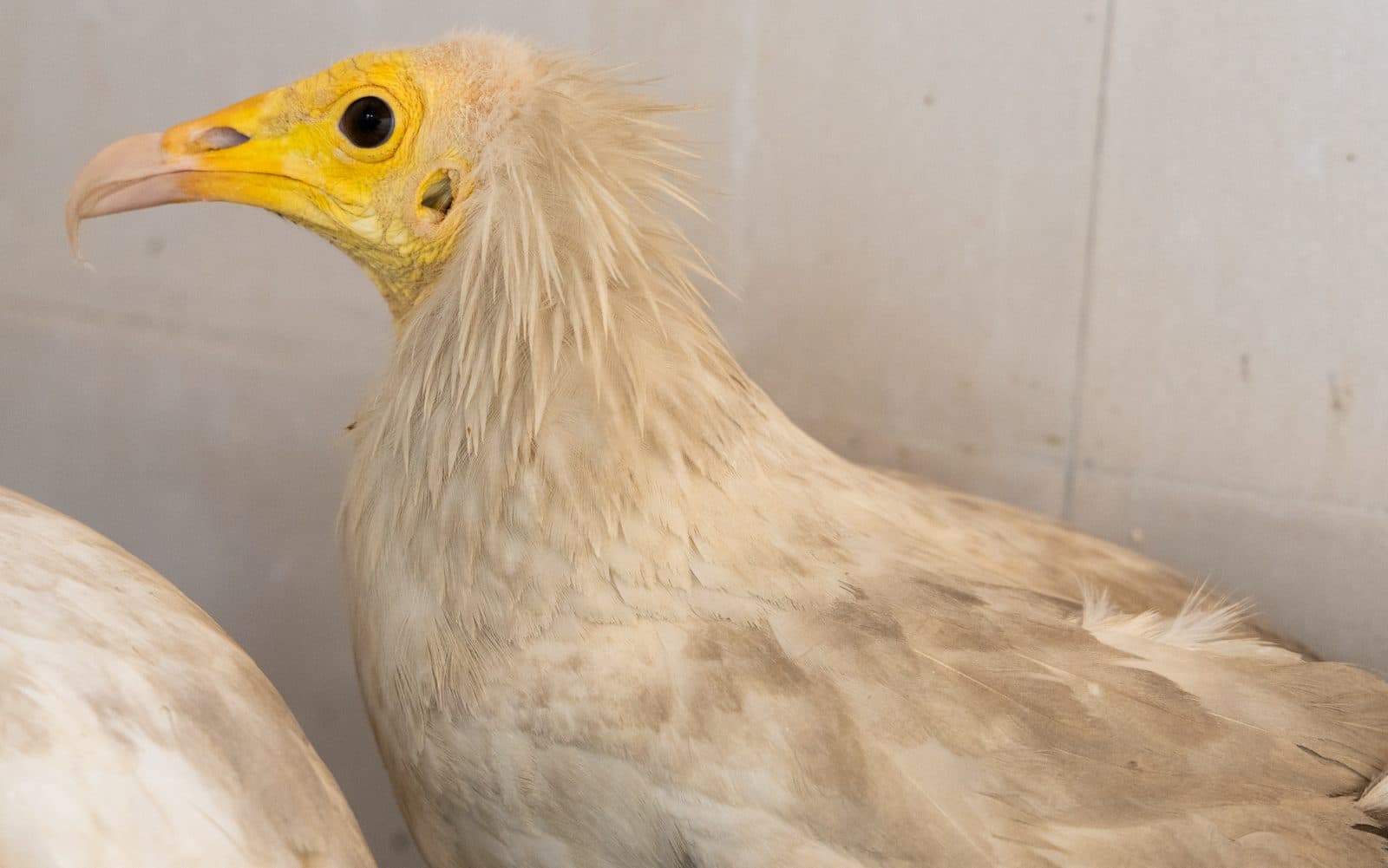
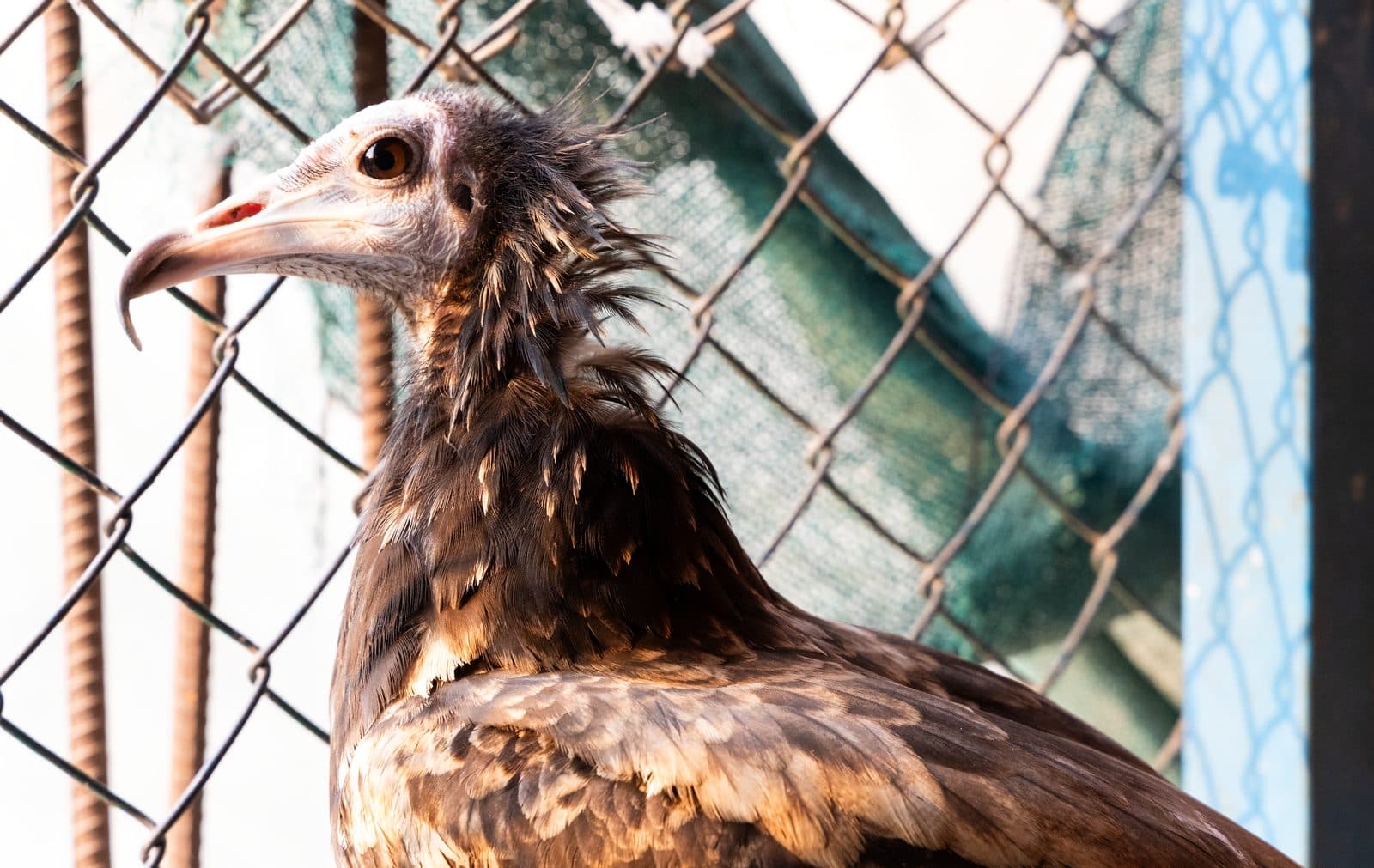
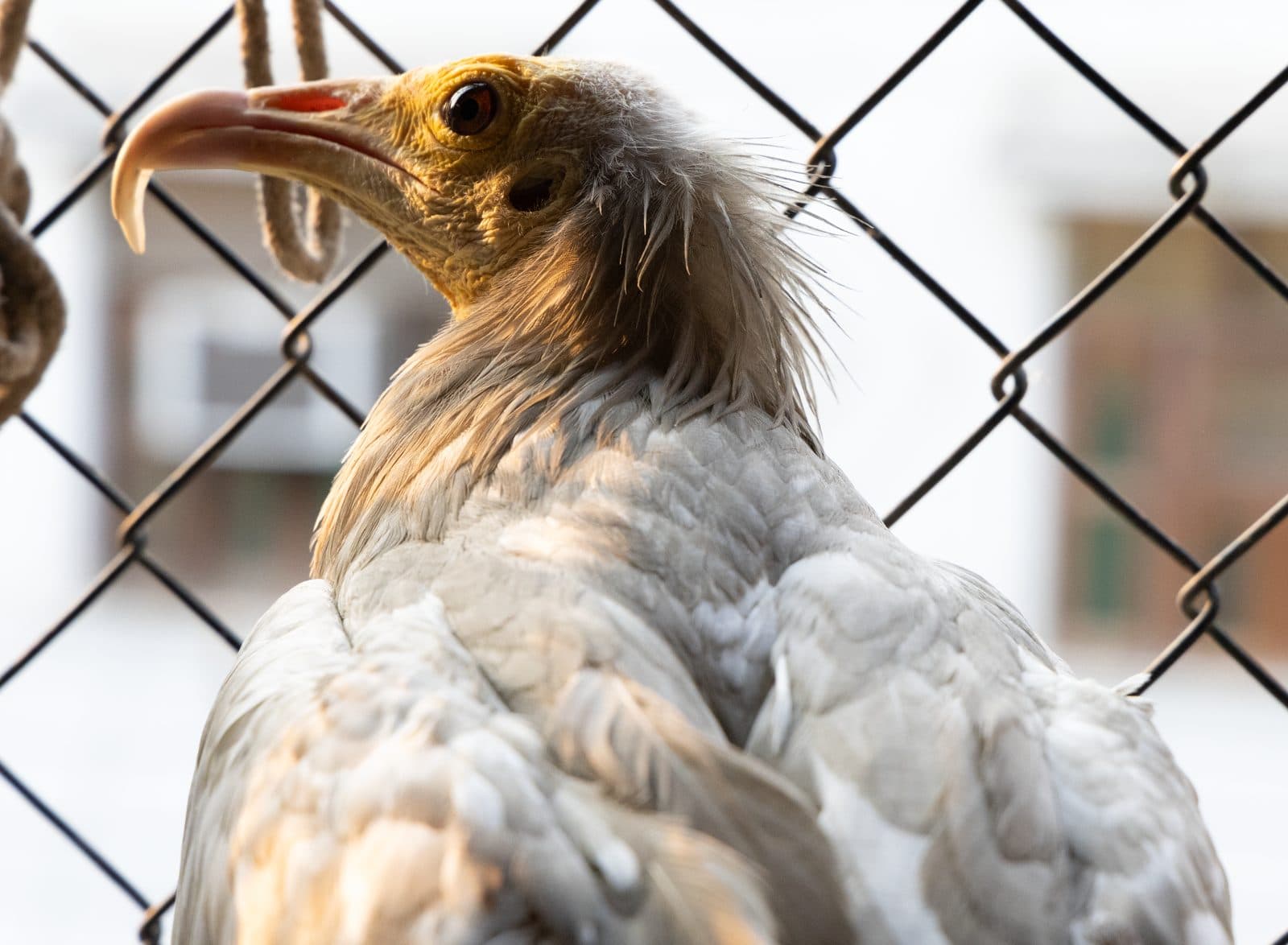
Unlike India's other vultures, the Egyptian Vulture migrates — spending winters on the Indian subcontinent and breeding in Europe and the Middle East. This means it faces threats on two separate fronts simultaneously: persecution and poisoning in Africa and the Middle East during migration, and NSAID exposure and electrocution in South Asia during winter.
Currently the only Least Concern vulture in South Asia — its high-altitude breeding range kept it somewhat insulated from the plains-based diclofenac crisis. But power line electrocution and winter NSAID exposure as it descends to lower elevations are eroding even its numbers. 'Least Concern' today does not mean safe tomorrow.
India receives Cinereous Vultures only as winter visitors — it does not breed here. Its global population decline in Europe and Central Asia directly reduces how many birds arrive in India each season. This species is a living barometer of conservation success thousands of kilometres away.
Every vulture case is treated as a critical conservation priority.
| Year | Egyptian Vultures | Total Birds |
|---|---|---|
| 2020 | 6 | 2,489 |
| 2021 | 5 | 2,767 |
| 2022 | 4 | 3,385 |
| 2023 | 5 | 3,383 |
| 2024 | 7 | 3,685 |
| 2025 | 8 | 4,214 |
| Total | 35 | 19,923 |
Source: WR intake records (E. Vulture Data 20-25.xlsx; annual totals from 5 Year.xlsx).
With only an estimated 12,400-36,000 Egyptian Vultures remaining globally, each individual is significant for species survival. Wildlife Rescue treats every vulture case as the highest priority — they receive immediate triage, specialized housing, and extended rehabilitation.
A look at every Egyptian Vulture documented in our care since 2020 — the injuries they arrive with, and how their stories end.
More than three in four Egyptian Vultures arrive with manja (kite-string) wounds — the same threat facing Delhi's raptors year-round.
of resolved Egyptian Vulture cases were returned to the wild
19 of 26 resolved cases (released or escaped back to the wild)
Egyptian Vultures often arrive critically injured, and some cannot be saved despite our best efforts. The release rate is calculated on resolved cases — the 9 birds still recovering are not yet counted either way.
More than three in four Egyptian Vultures reach us with a manja (kite-string) cut across the propatagium — the triangular membrane on the leading edge of the wing that holds it rigid in flight. This sharp thread severs everything in its path — muscles, tendons, nerves, skin and even bones. For decades, this was a death sentence: every one of these structures has to be repaired for the bird to fly again, or the wing heals closed and a vulture that cannot fly cannot survive in the wild.
Over years of operating on manja-injured raptors, Wildlife Rescue developed a precise, layered propatagium repair that rebuilds each severed layer — muscle, tendon, nerve, skin and bone — and restores true flight, not just survival. It is the single reason so many cut-wing birds make it back to the sky, and the technique behind our 73% release rate for Egyptian Vultures.
For an Endangered species with as few as 12,400 left in the wild, every bird returned to flight is a meaningful gain for the population — which is why we shared this technique with veterinarians and rehabilitators worldwide at the NWRA Symposium 2025.
arrive with manja propatagium wounds
of resolved cases fly free again
every flighted bird counts for the species
Nature's most efficient cleanup crew — and why their loss affects us all.
A group of vultures can strip a cattle carcass in 30-40 minutes, preventing disease spread. Their highly acidic stomachs (pH ~1) safely destroy anthrax, botulism, and cholera bacteria.
When vultures disappeared, feral dog populations exploded — feeding on carcasses vultures once consumed. India saw a surge in rabies cases, with an estimated $34 billion annual economic burden.
Vultures hold deep cultural importance in South Asian traditions, including Zoroastrian sky burials (Towers of Silence) and Hindu beliefs. Their disappearance disrupted centuries-old practices.
As apex scavengers, vultures indicate ecosystem health. Their decline signals broader environmental degradation — from toxic chemicals in the food chain to habitat destruction.
Sources: Markandya et al. (2008); Ogada et al. (2012); Purohit & Saran (2013); Houston (2001).
Your donation directly funds the rescue, treatment, and rehabilitation of endangered vultures at Wildlife Rescue in Delhi. Every rupee counts toward saving these irreplaceable birds.