Wildlife Rescue
Wildlife RescueRaptor Rescue & Rehab
HomeAboutAll That Breathes
Annual Report
BlogContact UsReport A Tagged Bird
Donate Now
Donate
Wildlife Rescue

The world's largest raptor rescue facility, based in Delhi, India. Featured in the Oscar-nominated documentary "All That Breathes." 40,000+ birds rescued since 2010.

Contact

  • C-6/1, Rehmani Chowk, Street No. 9, Wazirabad Village, Delhi - 110084, IndiaRegd: 2970, Shah Ganj, Ajmeri Gate, Delhi - 110006, India
  • +91 98100 29698
  • nadeem@raptorrescue.org

Stay Updated

Get monthly rescue updates and conservation news.

Our Work

  • Our Specialty
  • Our Clinic
  • Bird Enclosures
  • Treatments
  • Conditions We Treat
  • NWRA Symposium 2025

Species & Conservation

  • Species We Treat
  • Vulture Conservation
  • Egyptian Vultures
  • Annual Reports
  • Financial Transparency

Media & Stories

  • All That Breathes
  • Rescue Stories
  • Photo Gallery
  • Video Clips
  • Blog
  • Press & Awards
  • Bird Brothers Book
  • Our Early Days

Get Involved

  • About Us
  • Donate
  • Contact Us
  • Report a Tagged Bird

Legal

  • Privacy Policy
  • Refund Policy
  • Terms of Service
  • CSR Brochure (PDF)

© 2026 Wildlife Rescue. All rights reserved.

India: 80(G) Tax Exempt Reg. No. AAATW2352B25DL02  |  USA: 501(c)(3) via Raptor Rescue and Research Inc. (EIN: 87-3289299)

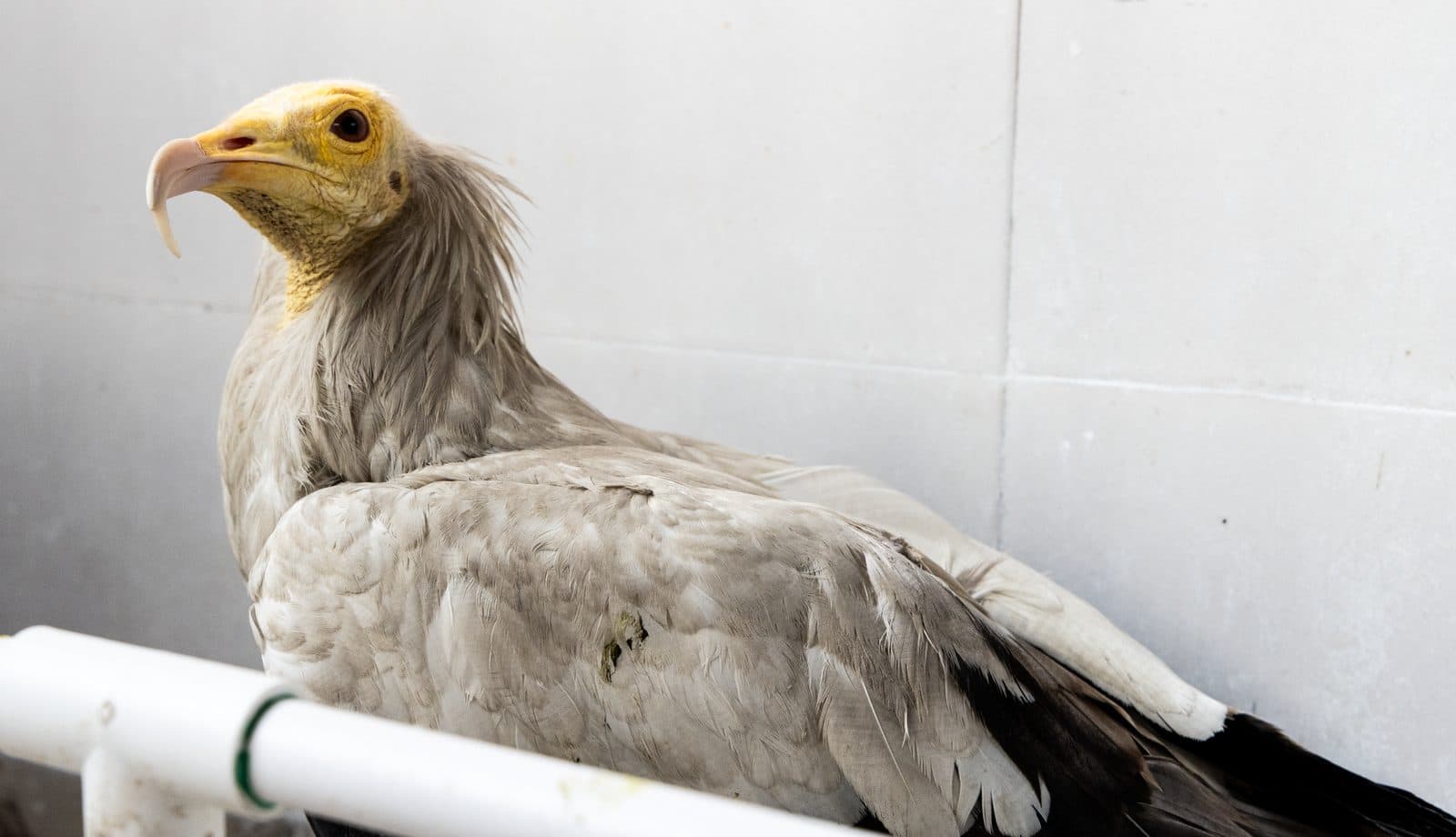
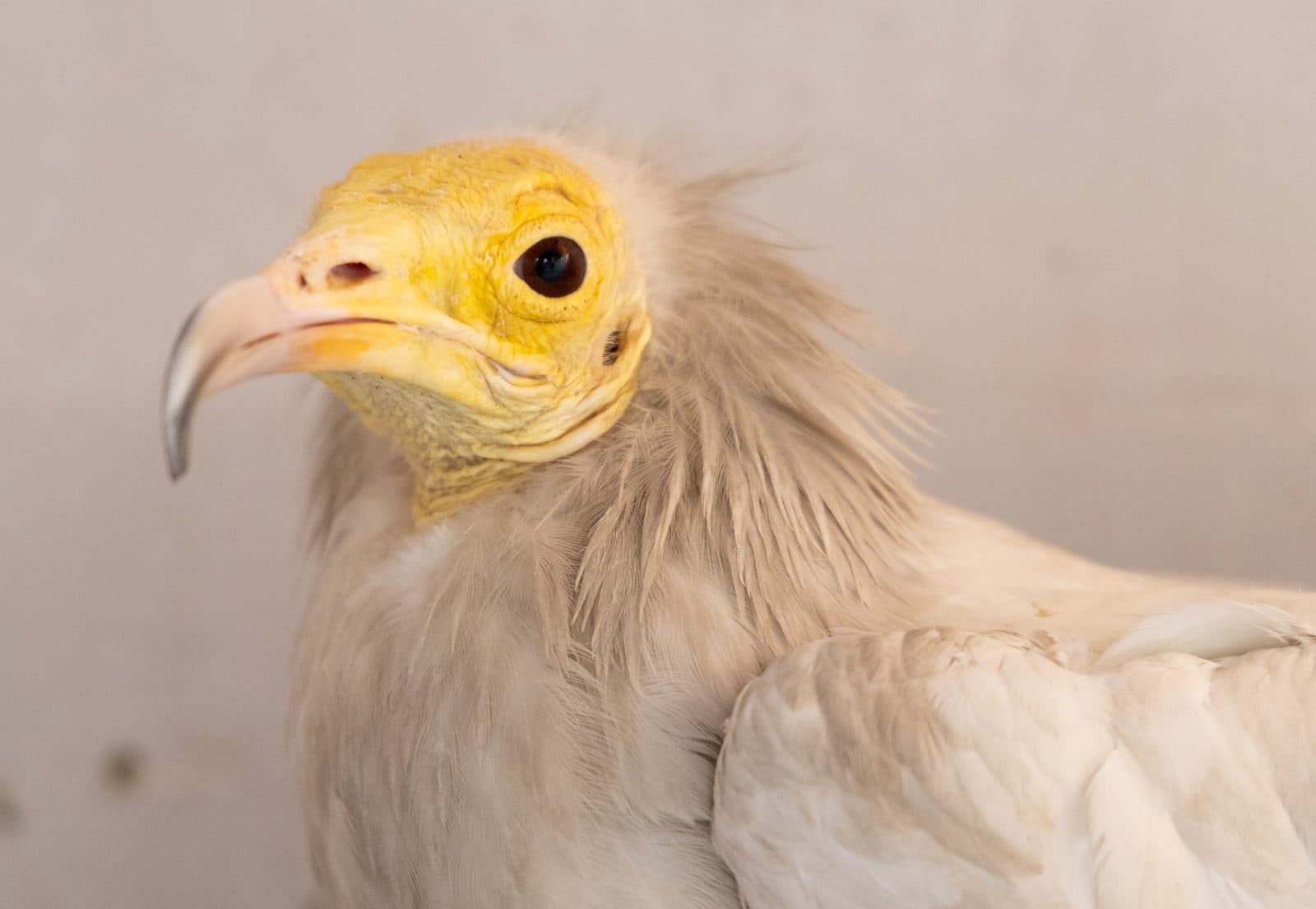
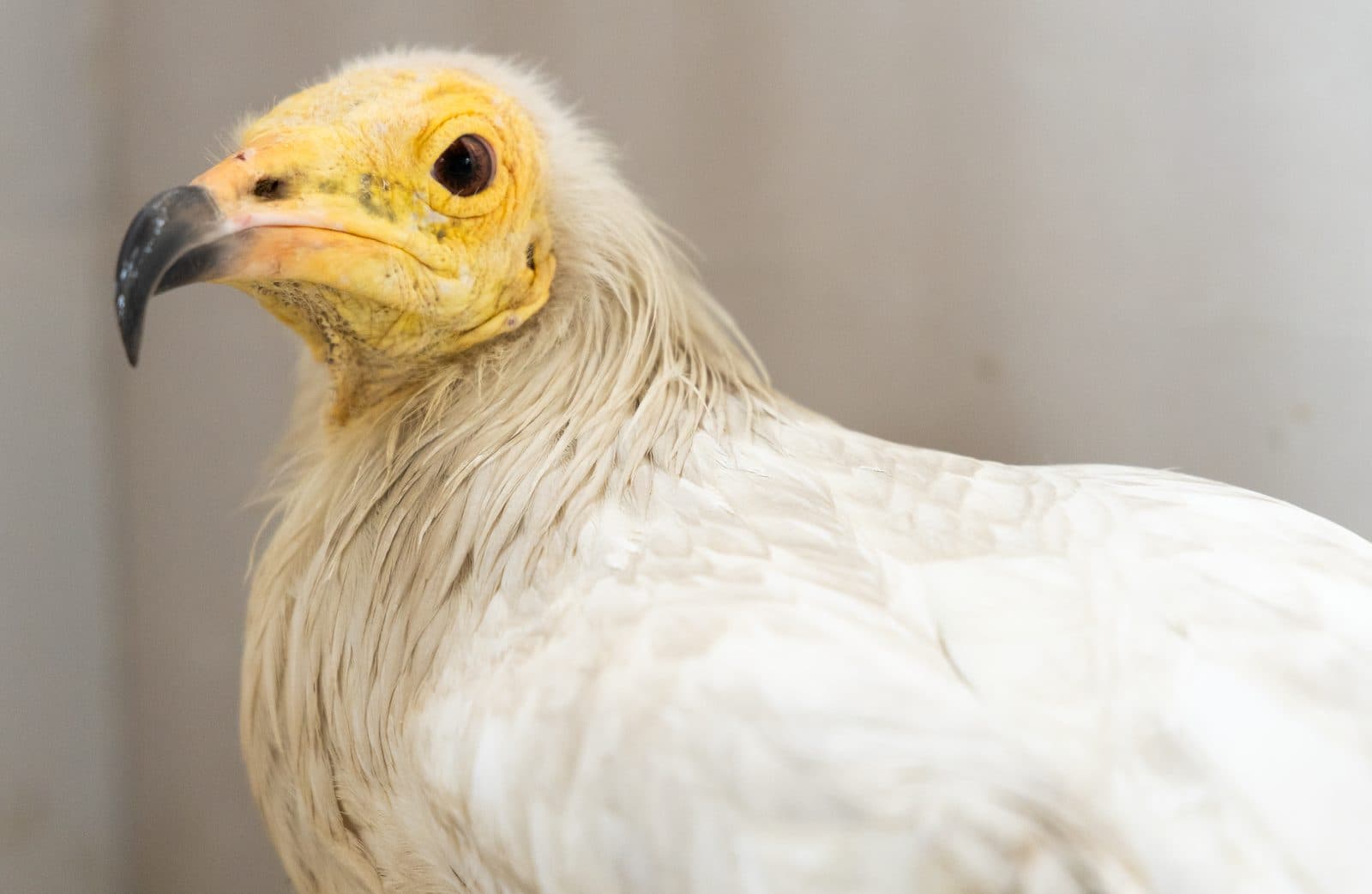
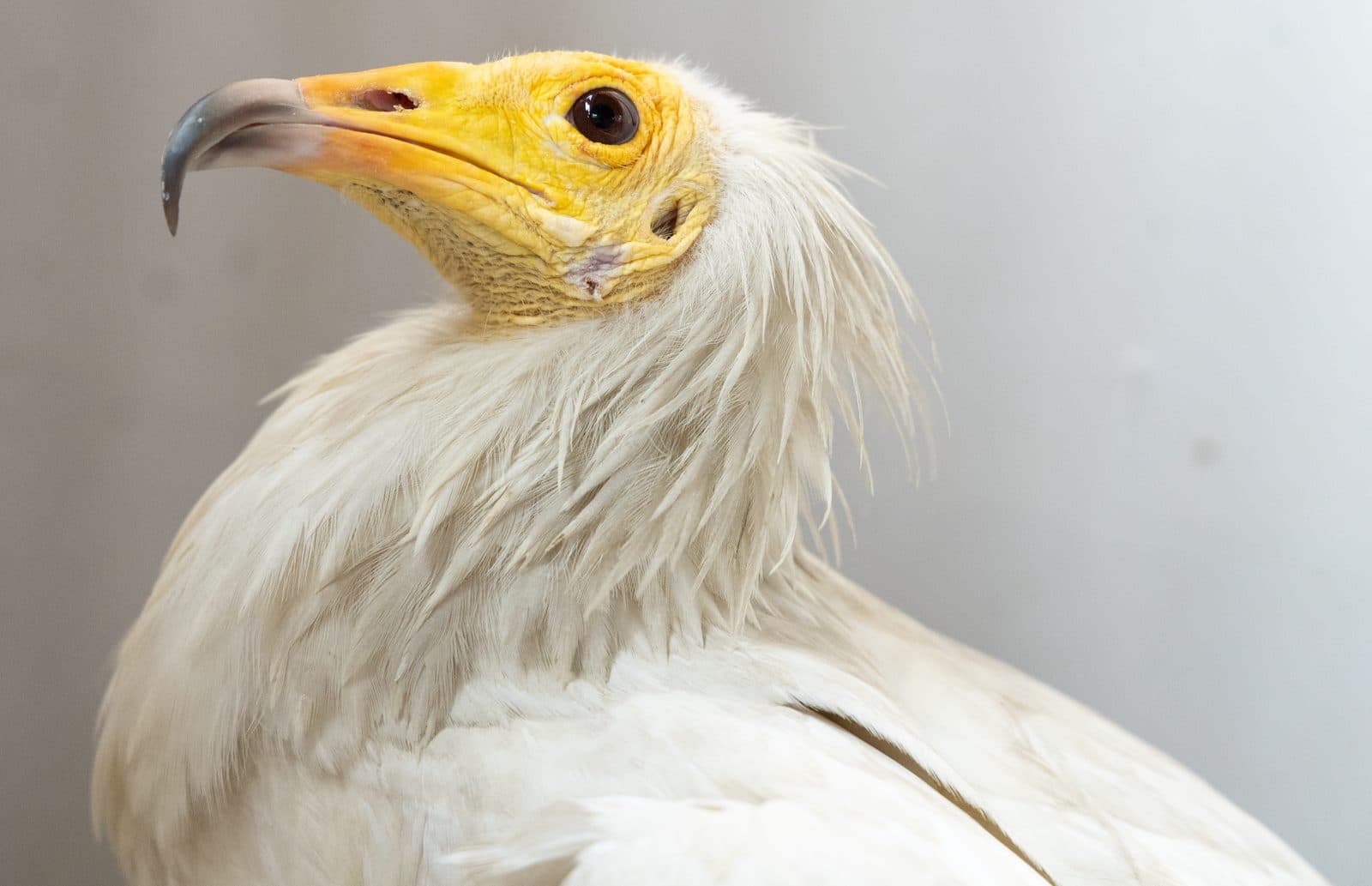
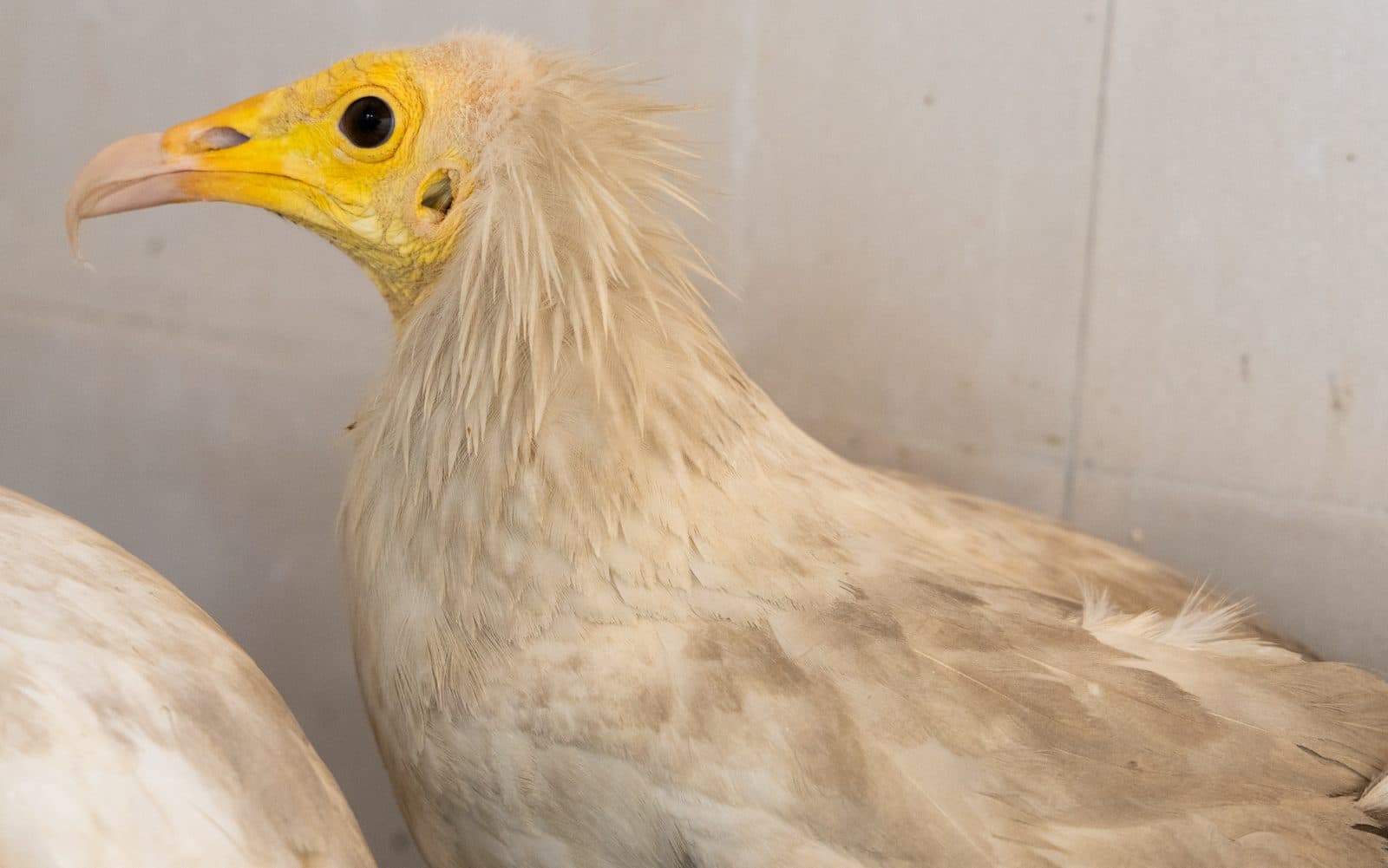
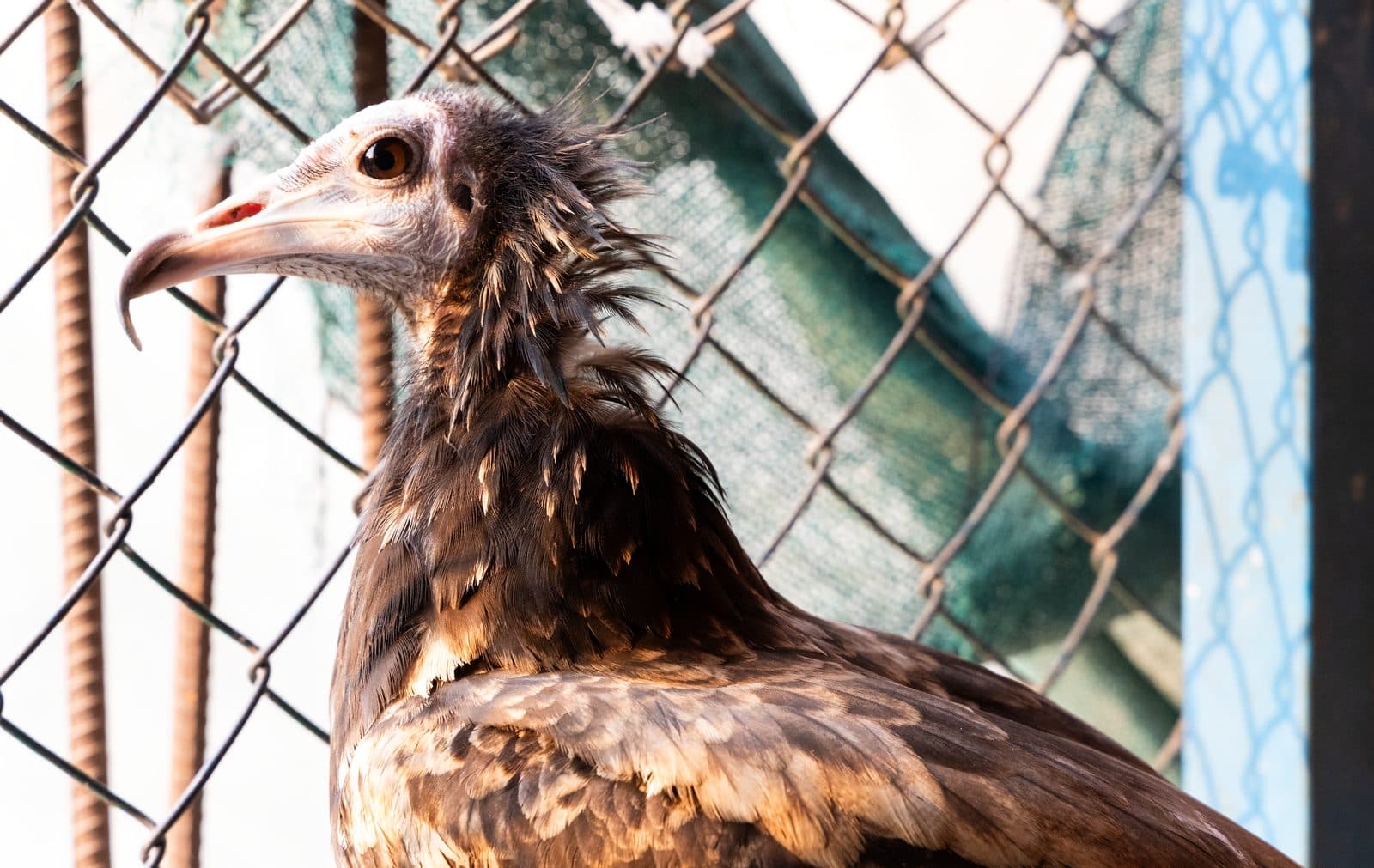
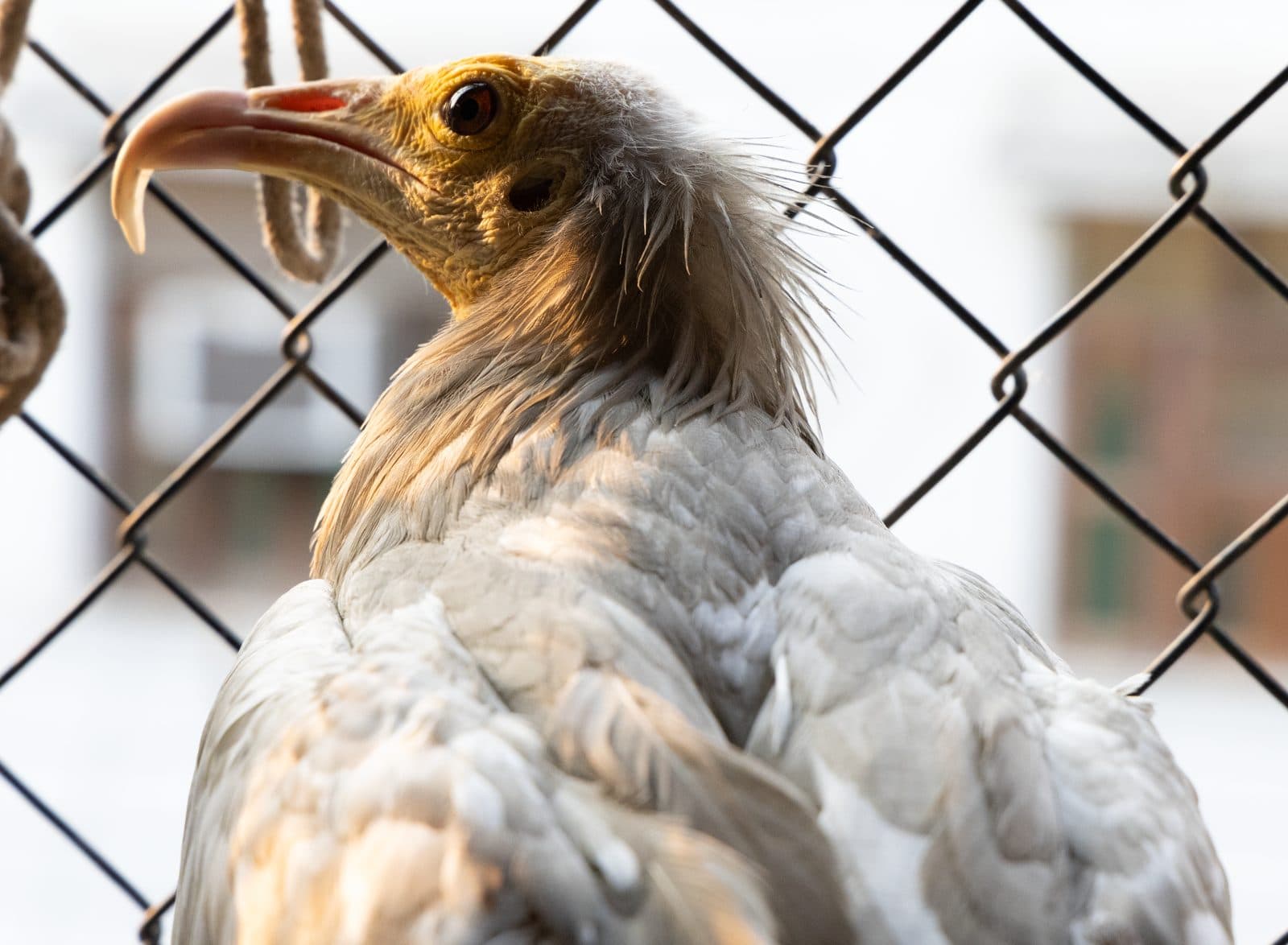
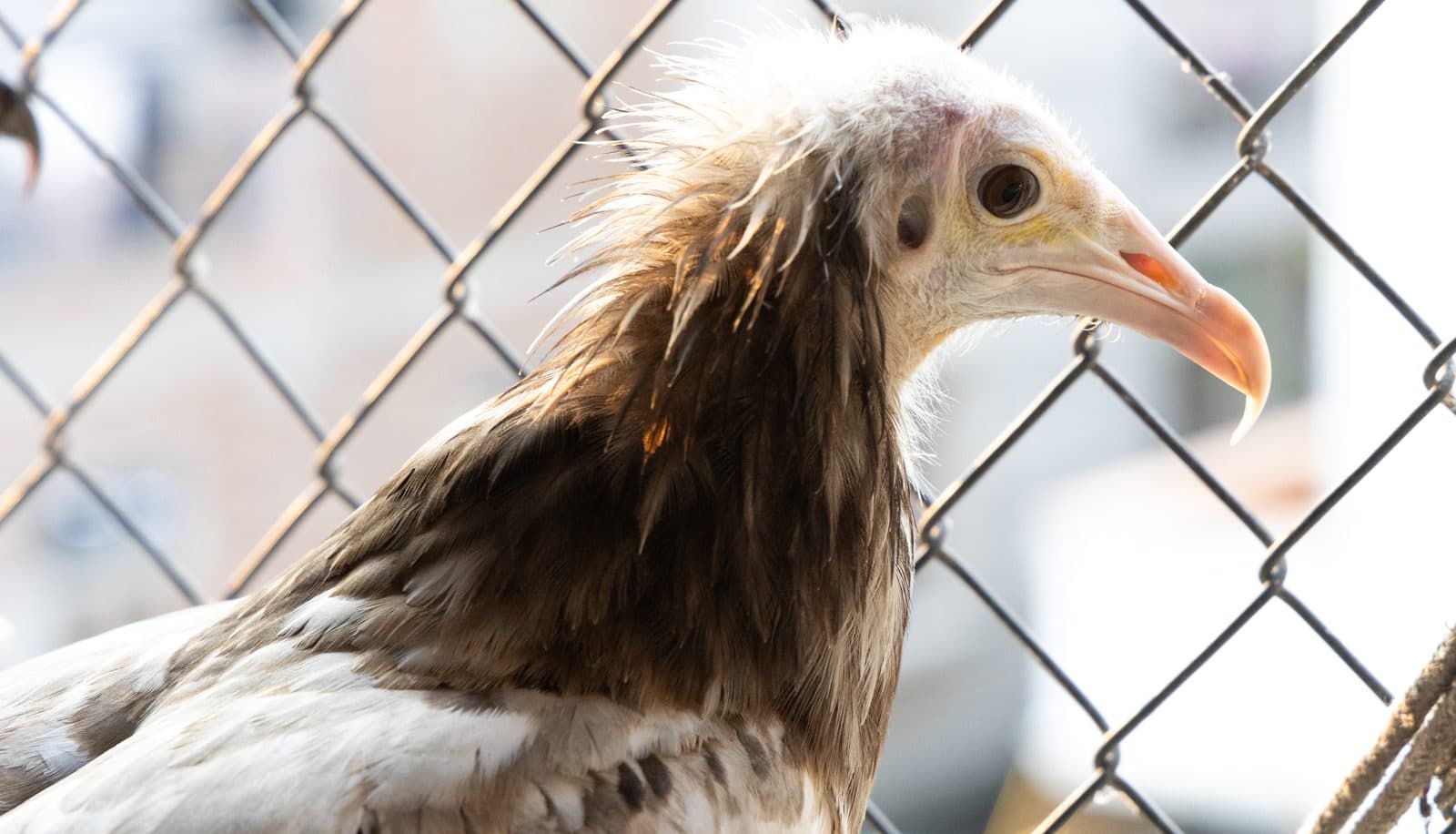
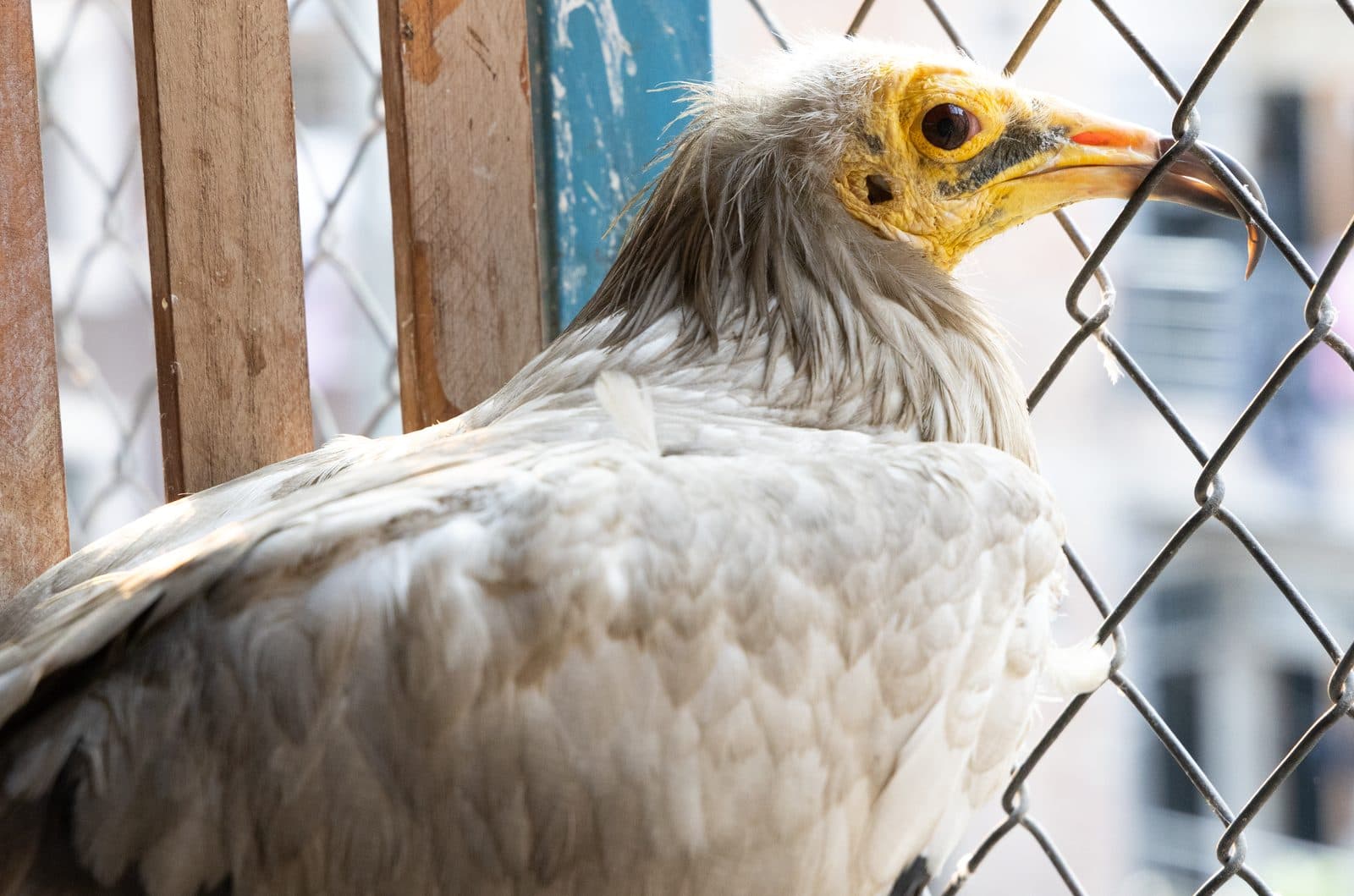
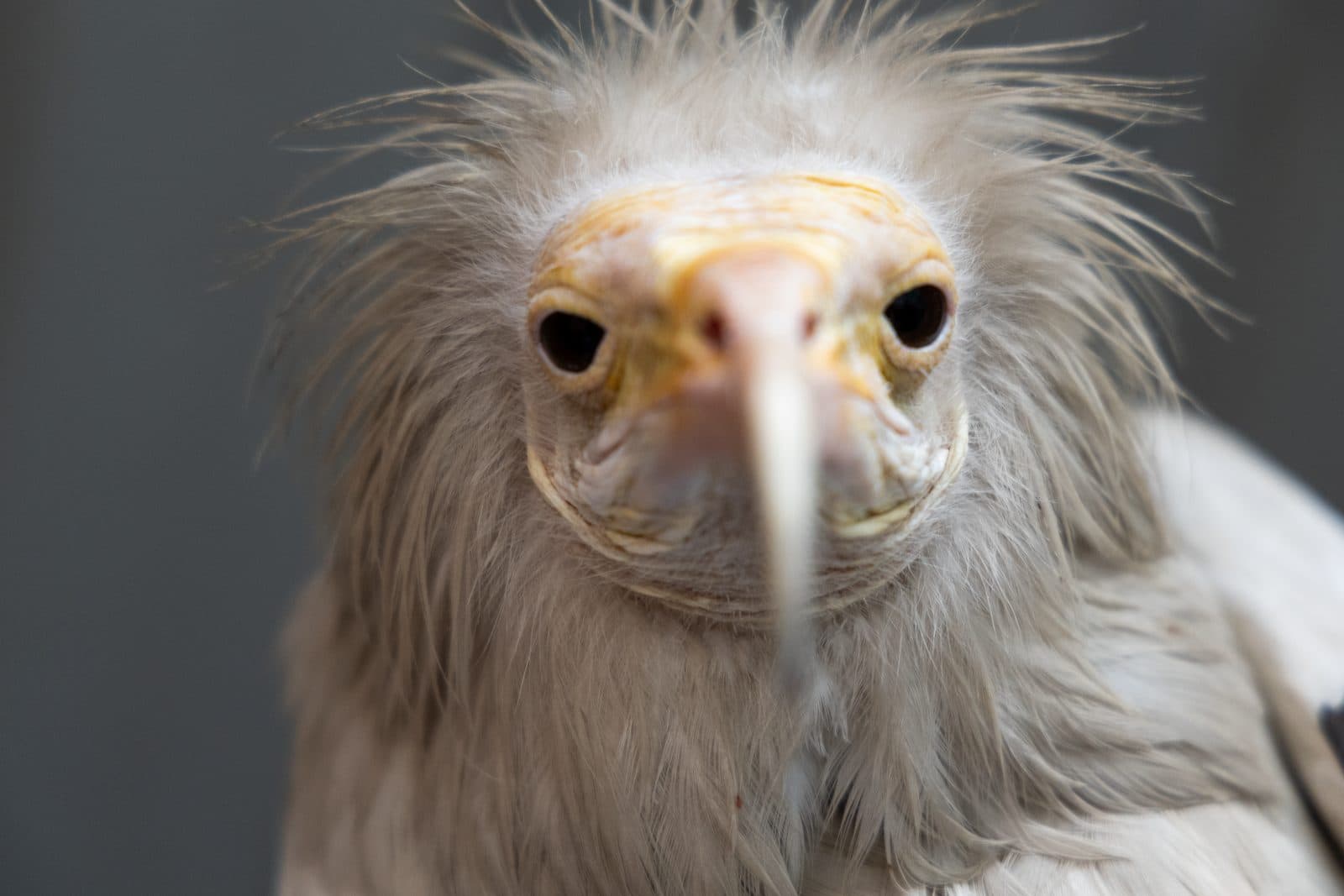
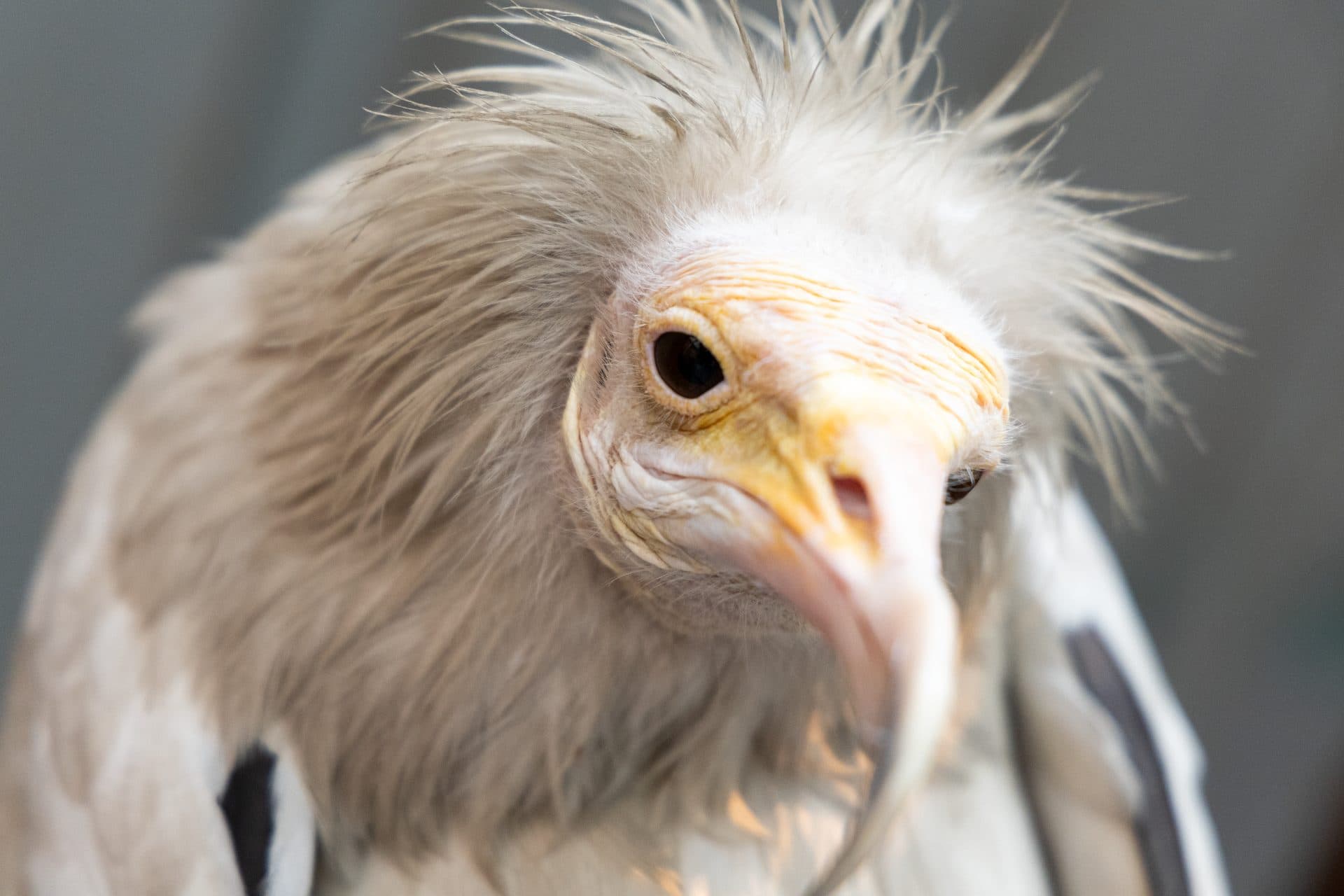
An Egyptian Vulture — Endangered scavenger cared for at Wildlife Rescue
IUCN Endangered

The Egyptian Vulture

An Endangered species we fight to save — and return to the sky. Every individual that recovers at Wildlife Rescue matters for the survival of a vanishing bird.

Endangered
IUCN Red List status
35+
Rescued since 2020
73%
Release rate (resolved cases)

Why the Egyptian Vulture Matters

A scavenger in crisis, threatened on two continents at once.

A population in free-fall

India's Egyptian Vulture population is estimated to have declined by around 80% over three generations — part of the wider South Asian vulture collapse driven by veterinary diclofenac.

Dual jeopardy

Many Egyptian Vultures migrate between breeding grounds in Europe and the Middle East and wintering grounds in India — facing threats at both ends of a long, dangerous journey.

A remarkable bird

Distinctive white plumage, a yellow face, and a 1.5–1.8 m wingspan. One of the few birds known to use tools — dropping stones to crack open eggs. They can live 30+ years.

Our Work with Egyptian Vultures

35 documented cases, 2020–2025 — why they arrive, and what happens next.

Why they come in

Cut-wing wounds from manja (glass-coated kite string) are by far the leading cause — the same injury that dominates our wider raptor caseload.

Wing cut wound (manja / kite string)27
Emaciated / dehydrated3
Feather damage (broken or plucked)2
Wing fracture1
Eye infection1
No external injury on arrival1

What happens next

Of the 26 resolved cases (those no longer in care), nearly three in four returned to the wild.

73%
returned to the wild
19
Freed
9
In care
7
Lost

Release rate is calculated on resolved cases only; birds still under care are excluded. Escapes are counted as returns to the wild. Deaths are shown openly.

Egyptian Vultures received per year

6
2020
5
2021
4
2022
5
2023
7
2024
8
2025

Egyptian Vultures in Flight

Flight conditioning and rehabilitation footage from our team — the work of getting an Endangered bird back into the air.

Video
An Egyptian Vulture on the wing at Wildlife Rescue — the moment every rescue is working toward.
Video
A rehabilitated Egyptian Vulture takes to the air.
Video
Flight conditioning — rebuilding strength and stamina ahead of release.
Video
An Egyptian Vulture stretches and tests its wings during conditioning.
Video
Wing work in our flight aviary — the final stage before an Endangered vulture is freed.
Video
An Egyptian Vulture in flight, up close.
Video
An Egyptian Vulture in our care.
Video
Archive footage (2022) — an Egyptian Vulture during rehabilitation at Wildlife Rescue.
Video
Archive footage (2022) — an Egyptian Vulture at Wildlife Rescue.

Egyptian Vultures in Our Care

Examination, treatment, and recovery at the Wildlife Rescue clinic.
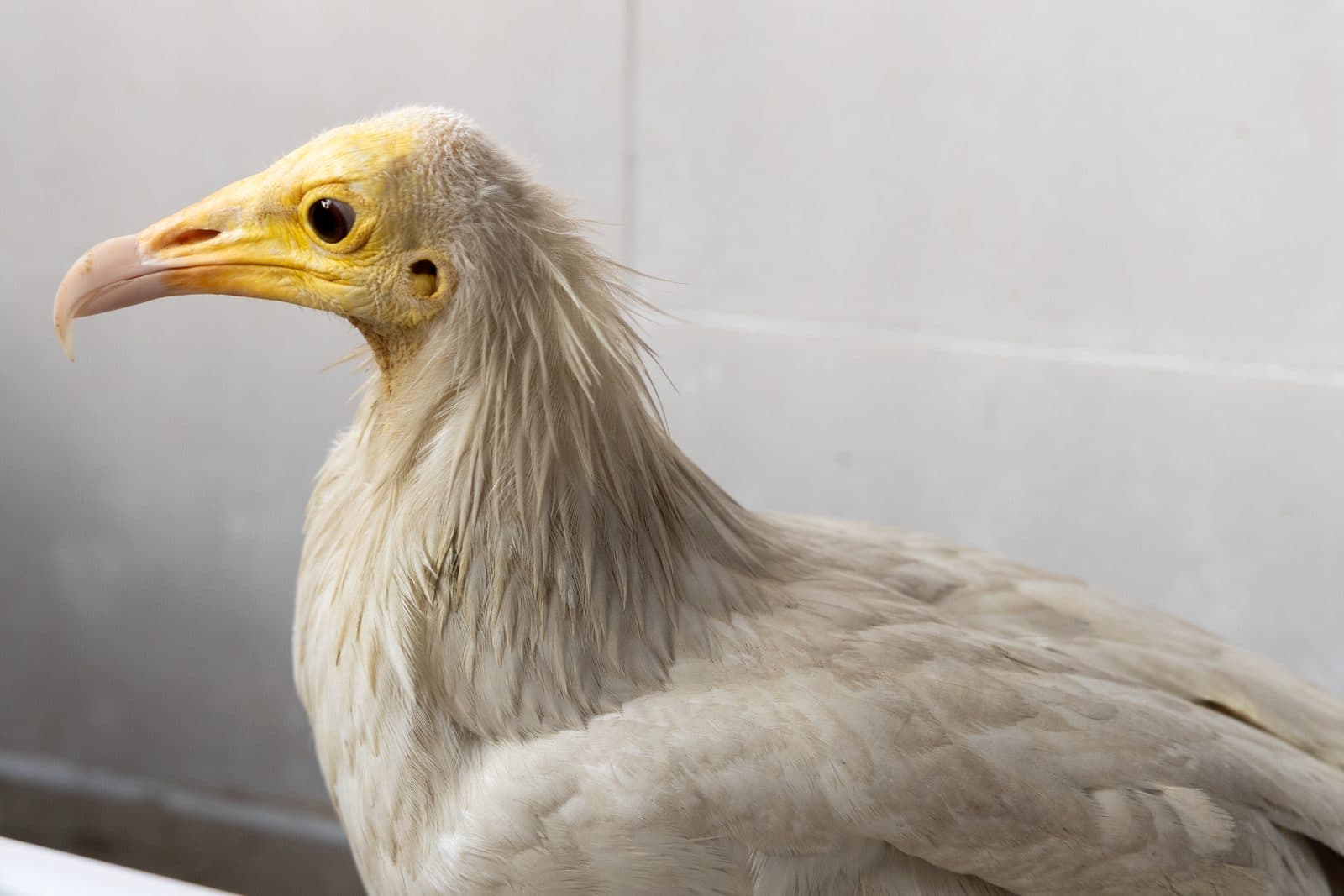
Egyptian Vulture under care at Wildlife Rescue
Egyptian Vulture recovering at the Wildlife Rescue clinic
Egyptian Vulture in rehabilitation at Wildlife Rescue
Egyptian Vulture being cared for at Wildlife Rescue
Egyptian Vulture in the care of Wildlife Rescue
Endangered Egyptian Vulture under treatment at Wildlife Rescue
Egyptian Vulture recovering at Wildlife Rescue
Egyptian Vulture in rehabilitation at the Wildlife Rescue facility
Egyptian Vulture under care at Wildlife Rescue
Egyptian Vulture being rehabilitated at Wildlife Rescue
Egyptian Vulture in care at Wildlife Rescue

Why Cut-Wing Vultures Fly Free Again

Manja doesn't just cut skin. On the leading edge of the wing it can sever muscles, tendons, nerves, skin and even bones — the propatagium, the structure a bird needs to fly. Restoring flight means rebuilding every one of those layers. The surgical technique Wildlife Rescue developed over two decades to repair the propatagium is the reason so many cut-wing Egyptian Vultures recover well enough to be released — driving that 73% release rate for an Endangered species.

77%
of EV cases arrive with manja / cut-wing wounds
73%
of resolved EV cases returned to the wild
Endangered
every released bird matters globally
See how we repair the propatagium

Help us keep Egyptian Vultures flying

Every donation funds the surgery, medicine, and flight aviaries that return Endangered vultures to the wild. For an Endangered species, every bird counts.

Donate to Wildlife Rescue
Explore the wider vulture crisis in India