16 years of rescue data. Intake statistics, growth phases, and our complete archive of yearly reports.
Growth in 15 years
362 → 4,214 birds/year
Total birds rescued
Crossed 40,000 on 13 June 2026
Compound annual growth
Consistent acceleration
Birds rescued per year — from founding to today.
From iconic raptors to common urban birds — 138 distinct species across 17 years.
As a raptor rescue, our core focus is the birds of prey ruling Delhi's skies — Black Kites, owls, eagles, vultures, and falcons. Black Kites alone account for 81.9% of all rescues. While we also care for the wider community of wild birds — egrets, hornbills, crows, kingfishers — these are the species at the heart of our work.
Our top-10 birds of prey by intake. Non-raptor species are listed in the full appendix below.
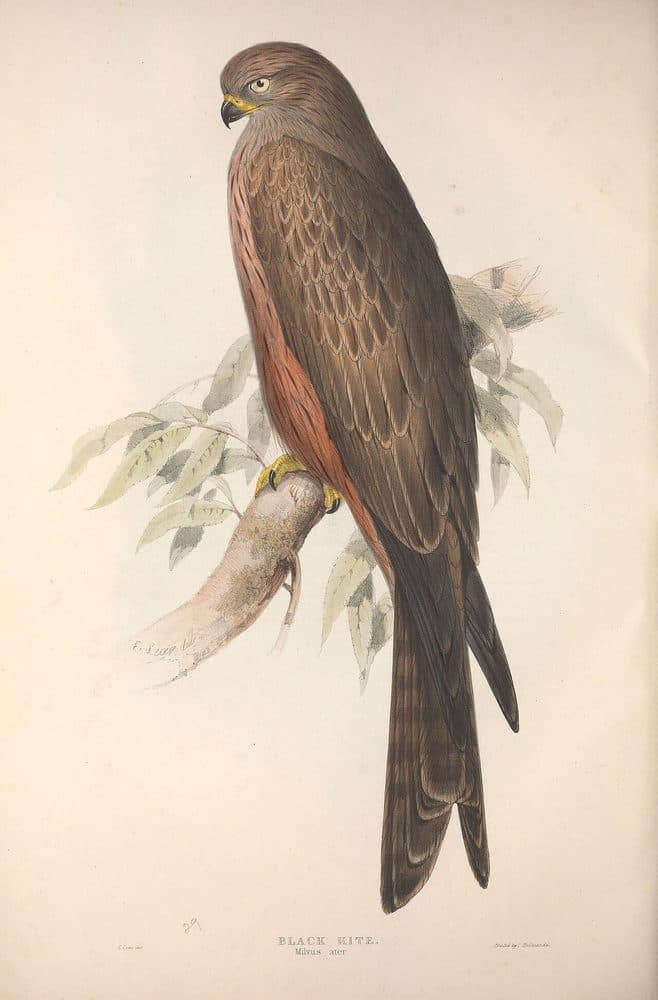
32,510
81.9% of intake
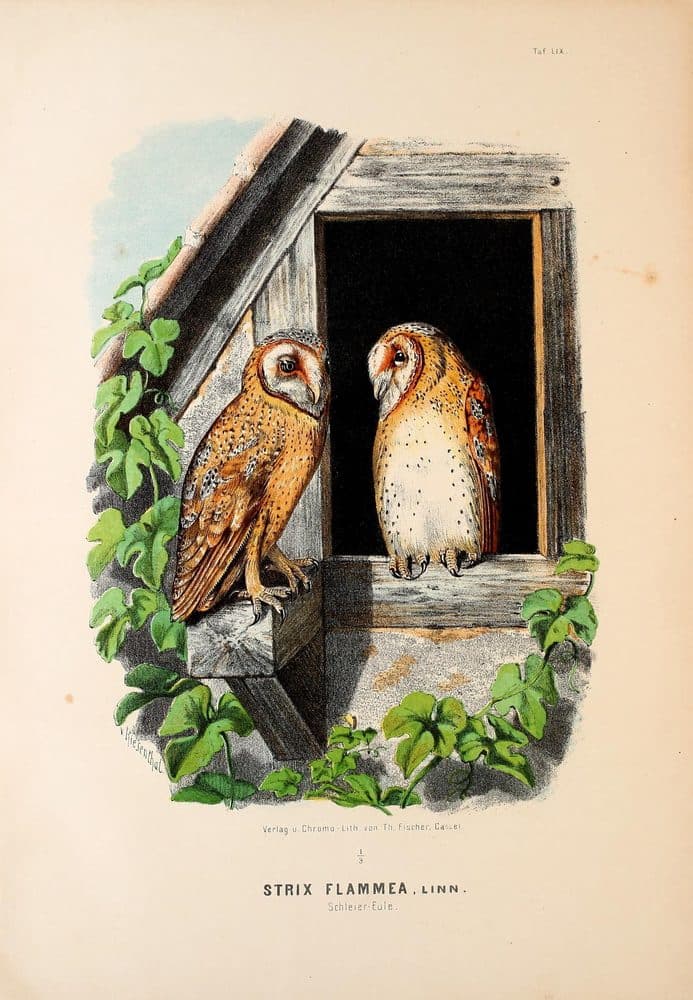
1,078
2.7% of intake
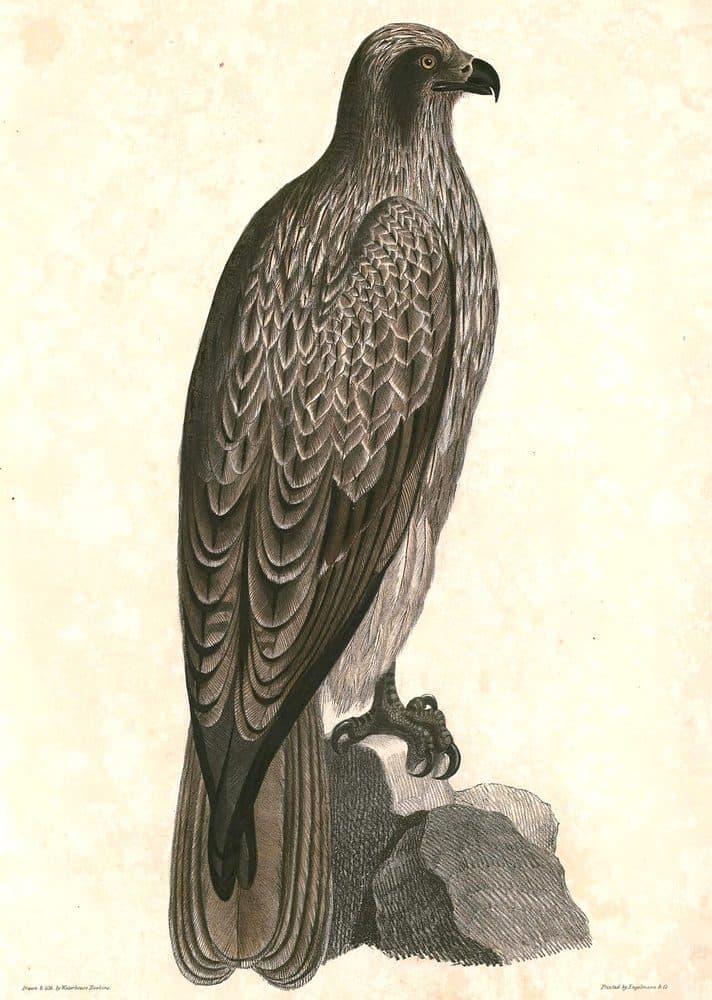
750
1.9% of intake
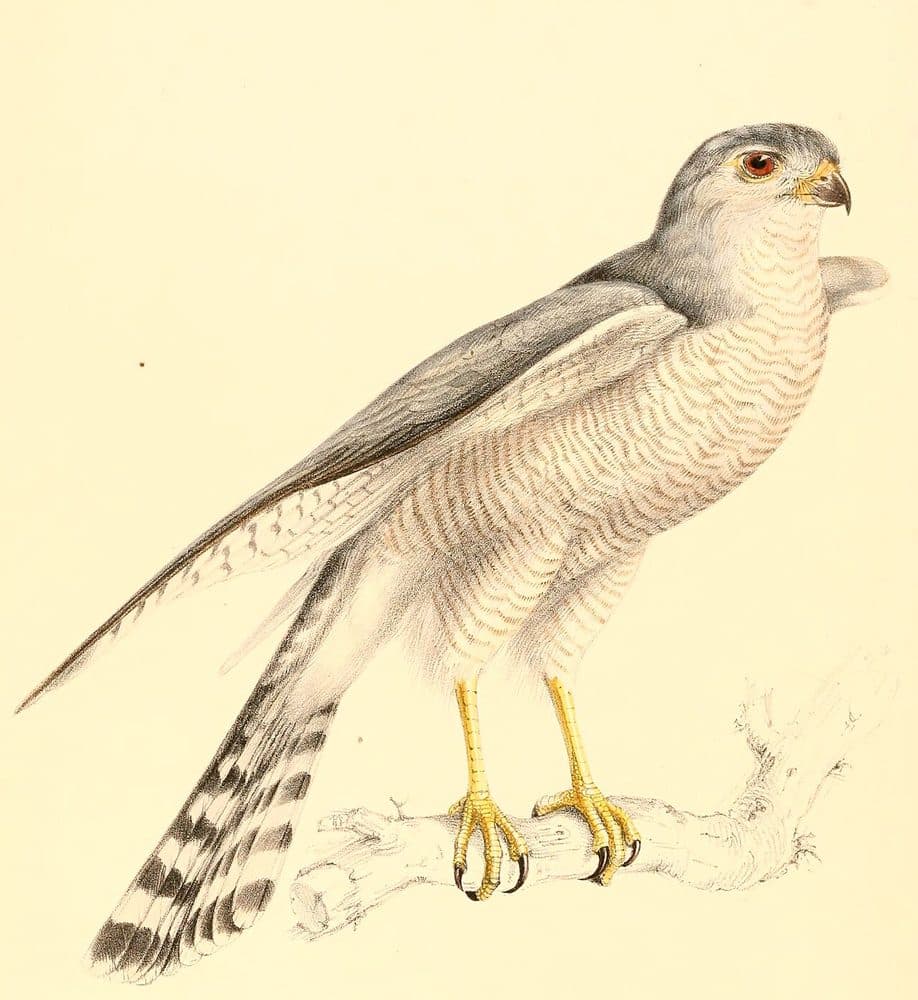
461
1.2% of intake
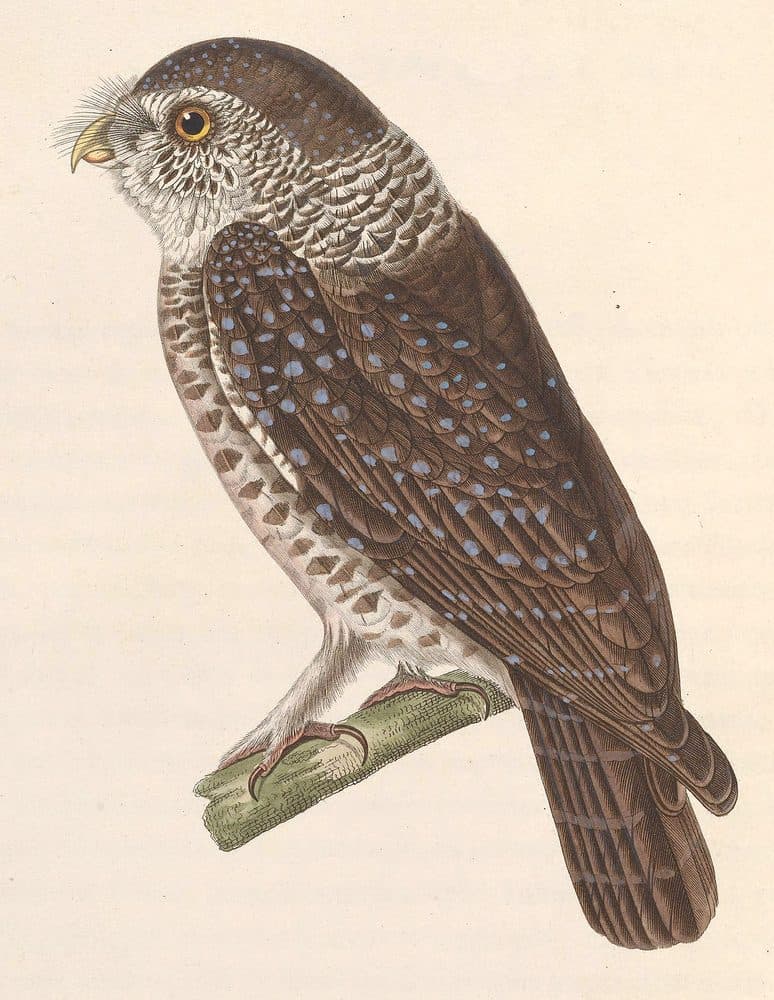
158
0.40% of intake
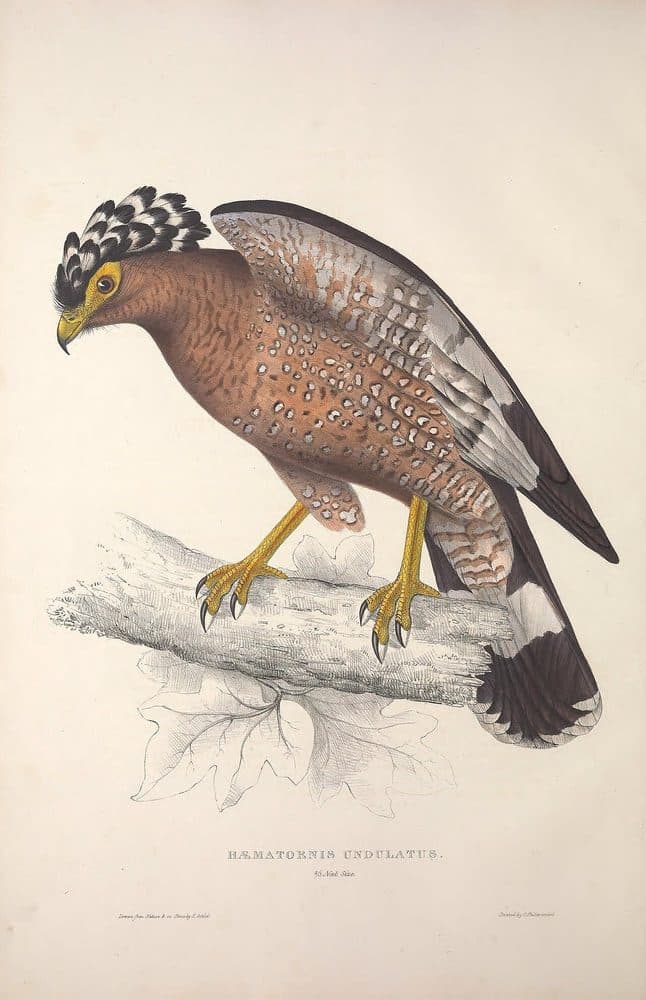
125
0.32% of intake
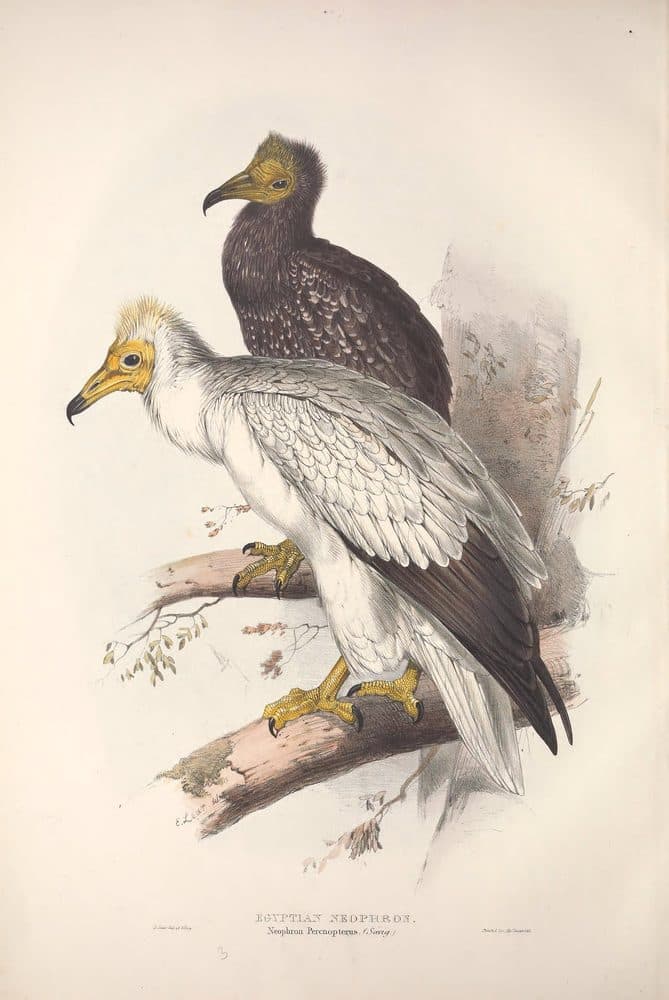
66
0.17% of intake
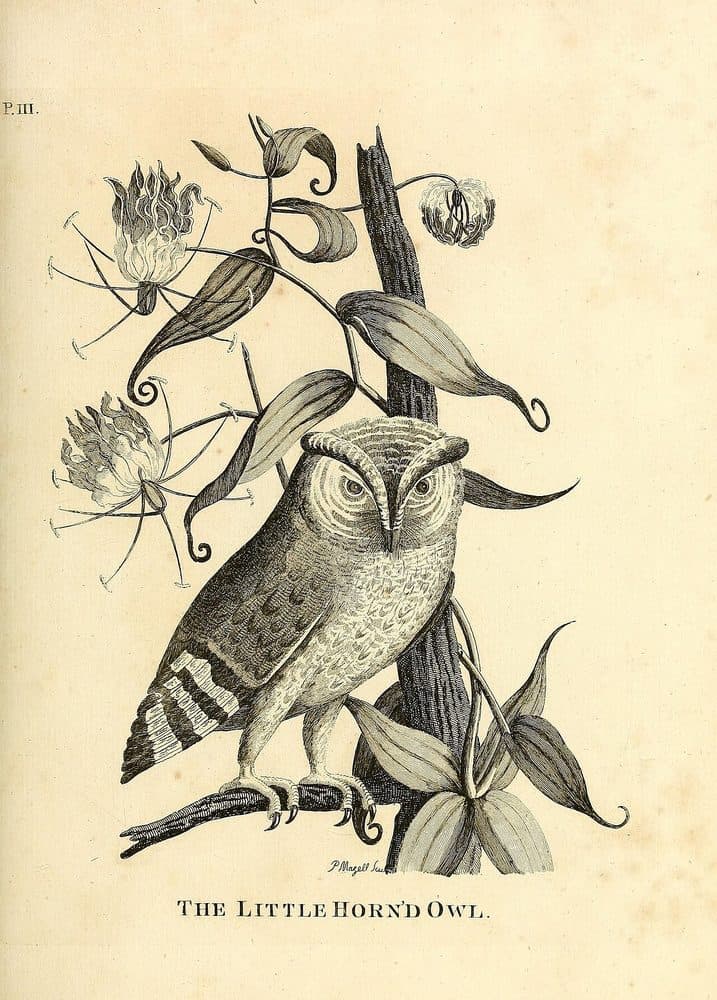
48
0.12% of intake
16
0.04% of intake
7
0.02% of intake
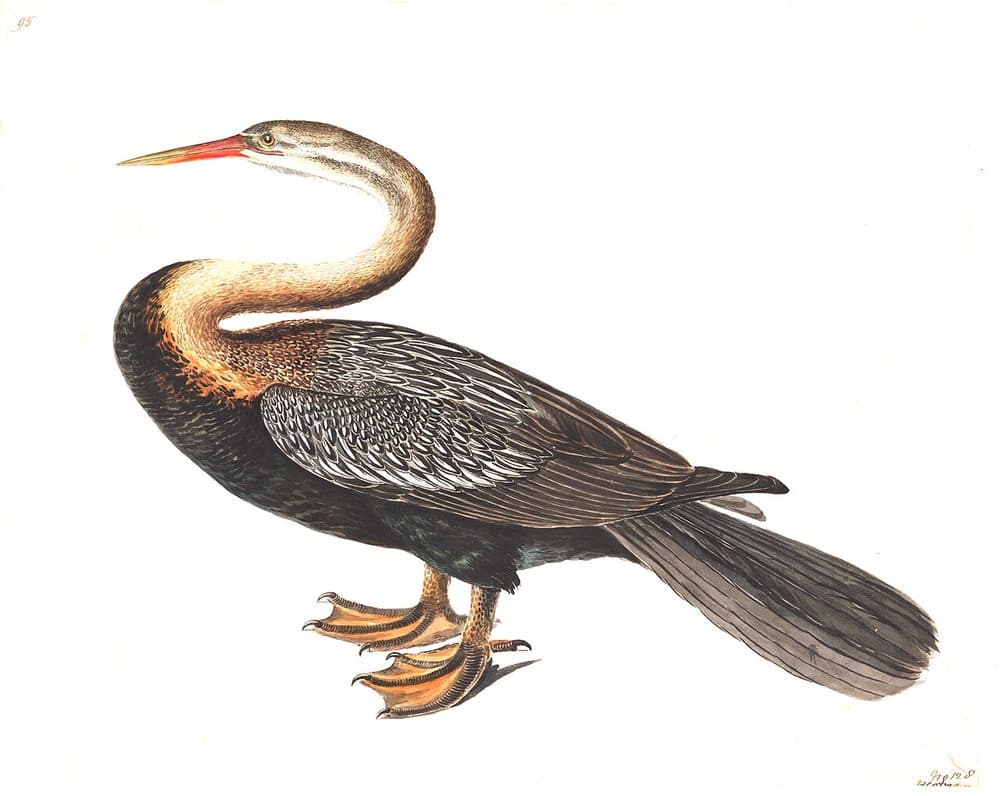
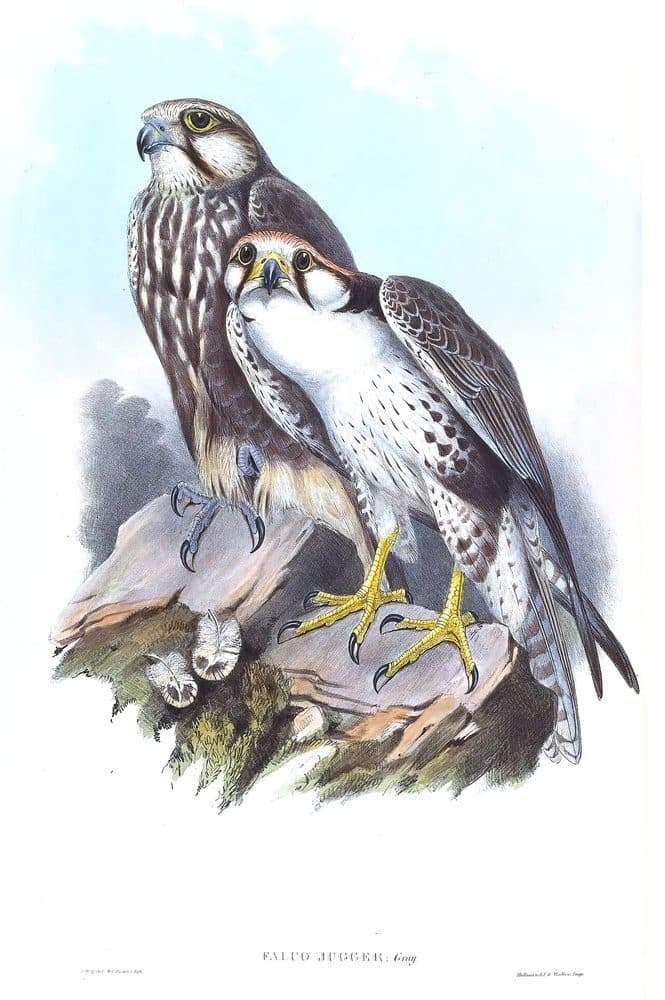
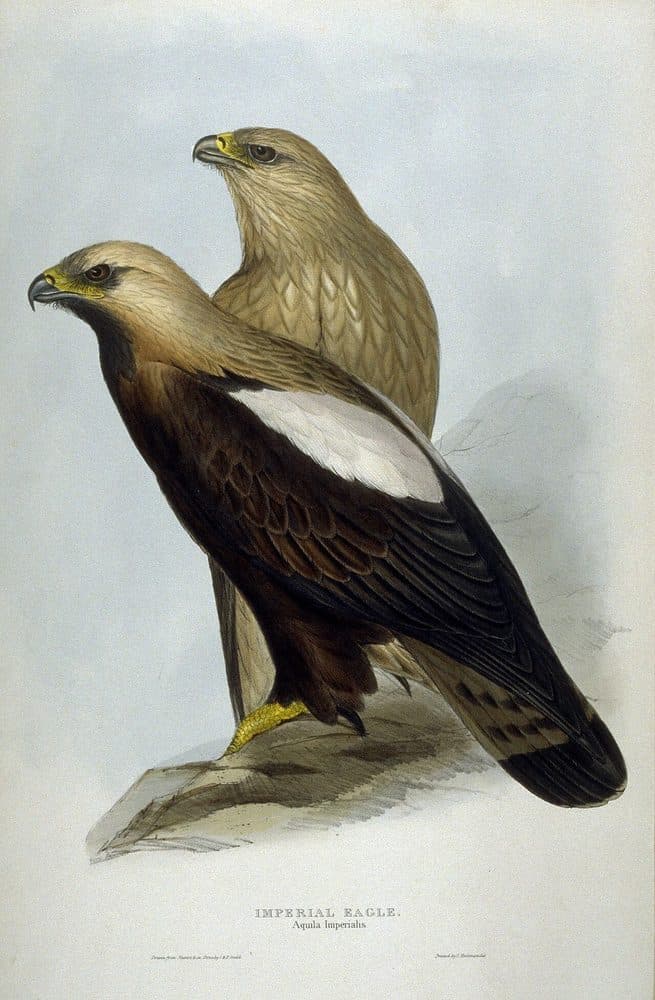
Illustrations: vintage public-domain plates by John Gould, Thomas Hardwicke, Lady Elizabeth Gwillim, Nicolas Huet, Edward Lear, Albert Günther and others (1700–1894), sourced from Wikimedia Commons.
These IUCN-listed species form a small but vital portion of our intake. Every individual matters for global conservation efforts.
66cases
47cases
34cases
18cases
10cases
8cases
3cases
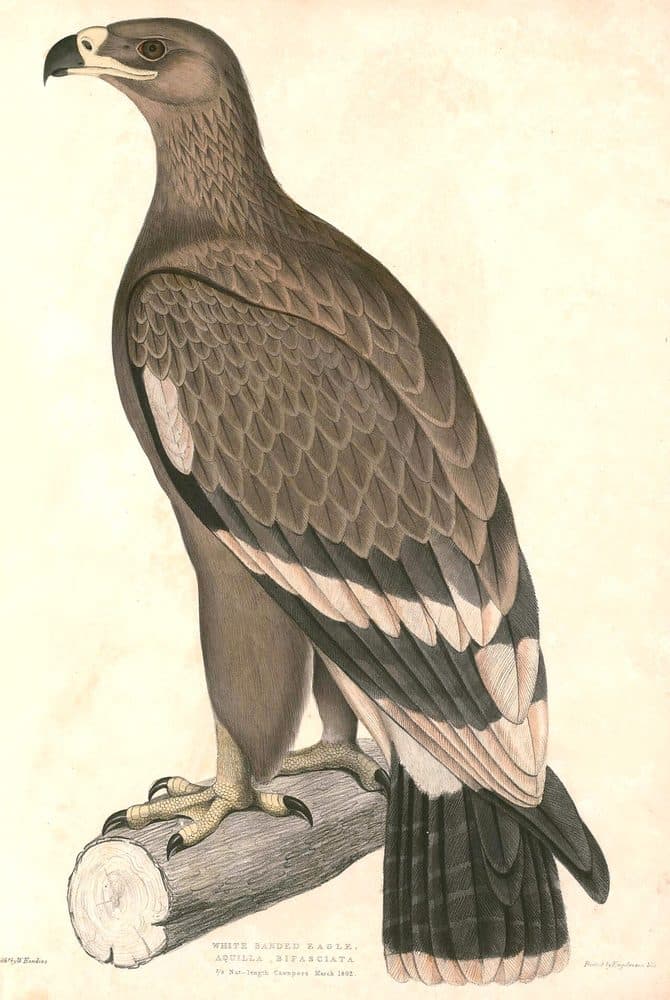
2cases
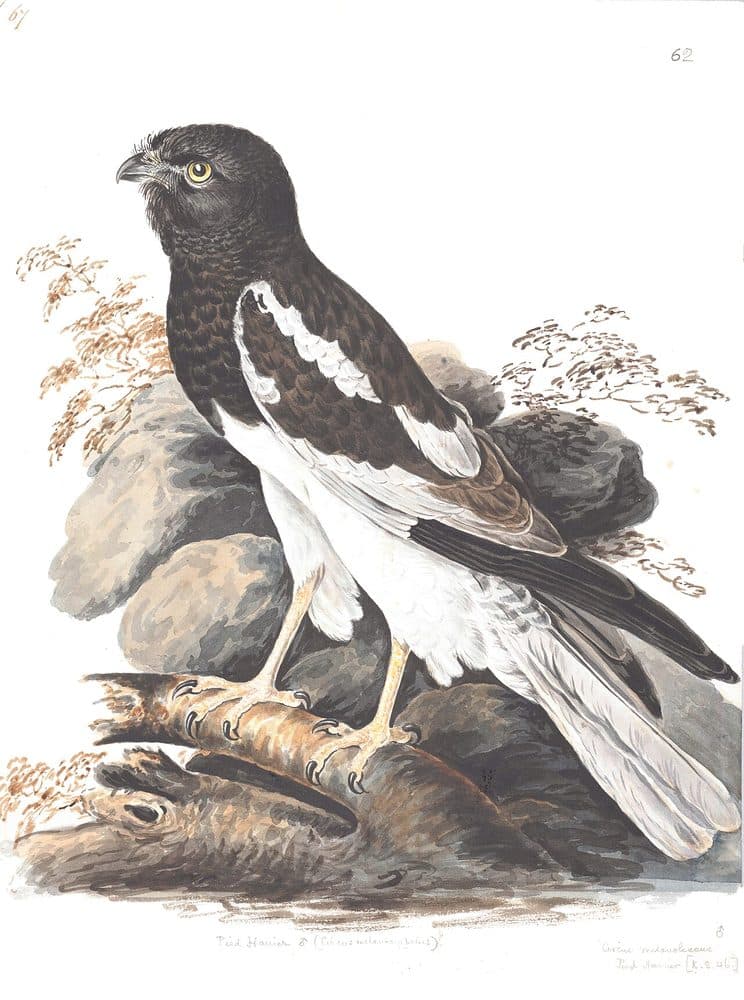
1cases
1cases
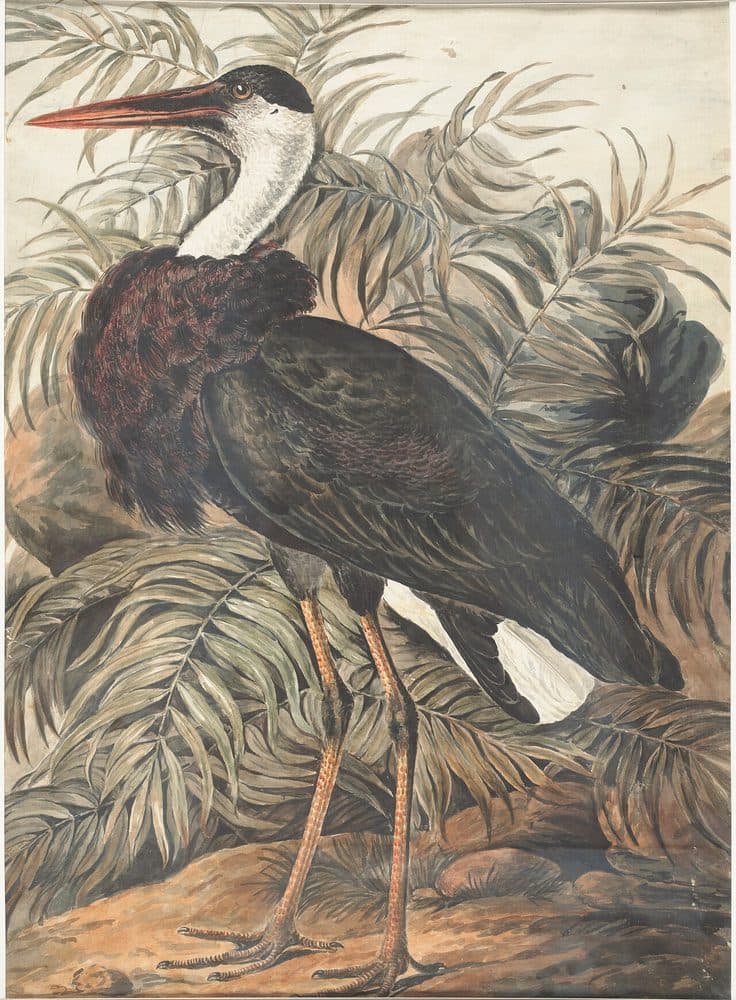
1cases
1cases
1cases
1cases
Adults, juveniles, fledglings, nestlings, and hatchlings — life stage matters for treatment.
Across 14,027 clinical records with documented life stage, roughly 1 in 3 birds we rescue is a juvenile.
Summer
Heat & Dehydration
Delhi's extreme summer heat dehydrates young birds that haven't yet learned to find water in the city.
April–May
Dust Storms
Dry, dusty pre-monsoon storms knock nests out of trees — sending nestlings and hatchlings to the ground in waves.
Monsoon
Kite-flying Season
The paper-kite festivals coincide with juveniles taking their first flights. Inexperienced fledglings can't avoid the manja thread — and arrive with the same wing injuries we see in adults.
9,253
66.0% of intake
Birds that arrive after full development — typically the manja-injury and collision cases.
911
6.5% of intake
Post-fledging, first year of life. Still learning to hunt and navigate Delhi's airspace.
1,849
13.2% of intake
Feathered but not yet confident flyers — easily found grounded or injured.
1,896
13.5% of intake
Still in the nest, mostly featherless. Most common reason for orphan rescue calls.
118
0.8% of intake
Just hatched, completely dependent. Survival depends on rapid intake.
381 juveniles arrive with Metabolic Bone Disease — about 8.0% of all juvenile cases.
Metabolic Bone Disease in young raptors reflects a calcium- and nutrient-deficient diet during the rapid-growth phase. The pattern points to a natural prey shortage in Delhi's airspace: parent kites can't find enough nutrient-rich food to feed growing chicks. By the time these juveniles reach us, their developing bones are already compromised.
MBD cannot be reversed. Only early-stage cases can be stopped in their tracks — managed with corrective diet and supportive care to prevent further degradation, and released if the bird can still manage flight. For birds that arrive too late, the damage is permanent — and the underlying environmental cause is one we can't treat in the clinic alone.
Same 4,774 juvenile-stage cases, sliced by clinical condition. Many fit multiple categories at once.
1,312
27.5%
Dehydrated / Emaciated
933
19.5%
Manja-pattern injuries
926
19.4%
Pure orphan / fallen
500
10.5%
Fractures
381
8.0%
Metabolic Bone Disease
217
4.5%
Septicemia / Infection
The clinical patterns we see across 14,092 detailed case records.
Across 13,941 clinical case records, manja injuries account for 42.4% of intake — the single largest driver of birds arriving at our facility, and the signature pattern our surgical team has spent fifteen years perfecting techniques for.
About this data: Based on 14,092 detailed clinical case records from 2019–2025 (35.5% of our total intake). Each record is a per-case form with full exam findings, condition diagnosis, treatment, and outcome.
These categories overlap.A dehydrated nestling with a fractured wing appears in three buckets — we don't aggregate them as mutually exclusive. For example, 67% of Dehydration / Emaciation cases are juveniles, not adults.
Conditions classified from free-text clinical notes. Categories below 50 cases (Maggot Wound, Eye Injury, Internal Toxicosis, Dislocation, Methane Burn) are tracked but not shown for visual clarity.
The story of Wildlife Rescue told through data.
2010
362/year
Two brothers rescuing birds from their home in Old Delhi's Walled City. Birds literally 'delivered at home.' Case #317 marks the beginning.
2011–2014
1,011–1,974/year
The Charity Birds Hospital partnership ignites. Volume nearly triples in 3 years. In 2013, the rescue moves from Old Delhi to a dedicated facility in Wazirabad Village. Species diversity grows from 9 to 42.
2015–2018
~2,083–2,365/year
Operations stabilize and professionalize. Partner network solidifies around 5 core organizations.
2019–2021
2,489–2,815/year
COVID barely dents operations (−3% in 2020). New partners emerge. Prem Bhawan grows 5x.
2022–2025
3,398–4,214/year
All That Breathes brings global attention. Intake jumps 24% in 2022. 2025 is the highest year ever. 10+ partner organizations active.
Quick-look infographics and full detailed PDFs for every year.
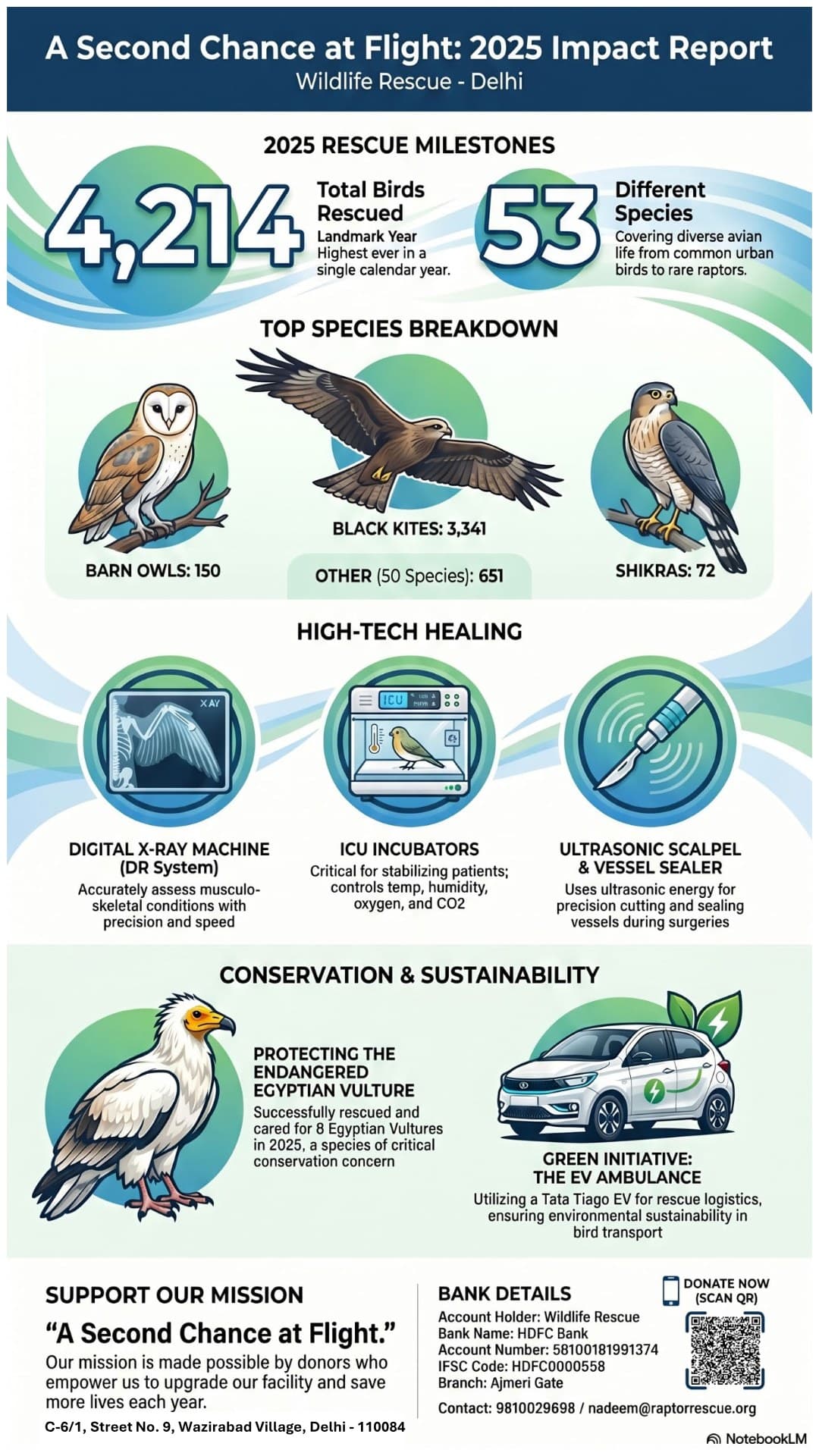
A Second Chance at Flight
A landmark year — 4,214 birds across 4,184 cases, spanning 51 species, new high-tech equipment (digital X-ray, ICU incubators, ultrasonic scalpel), and the launch of our EV ambulance for greener rescue logistics.
Reports are released annually and include audited financial statements, intake data, and program details.
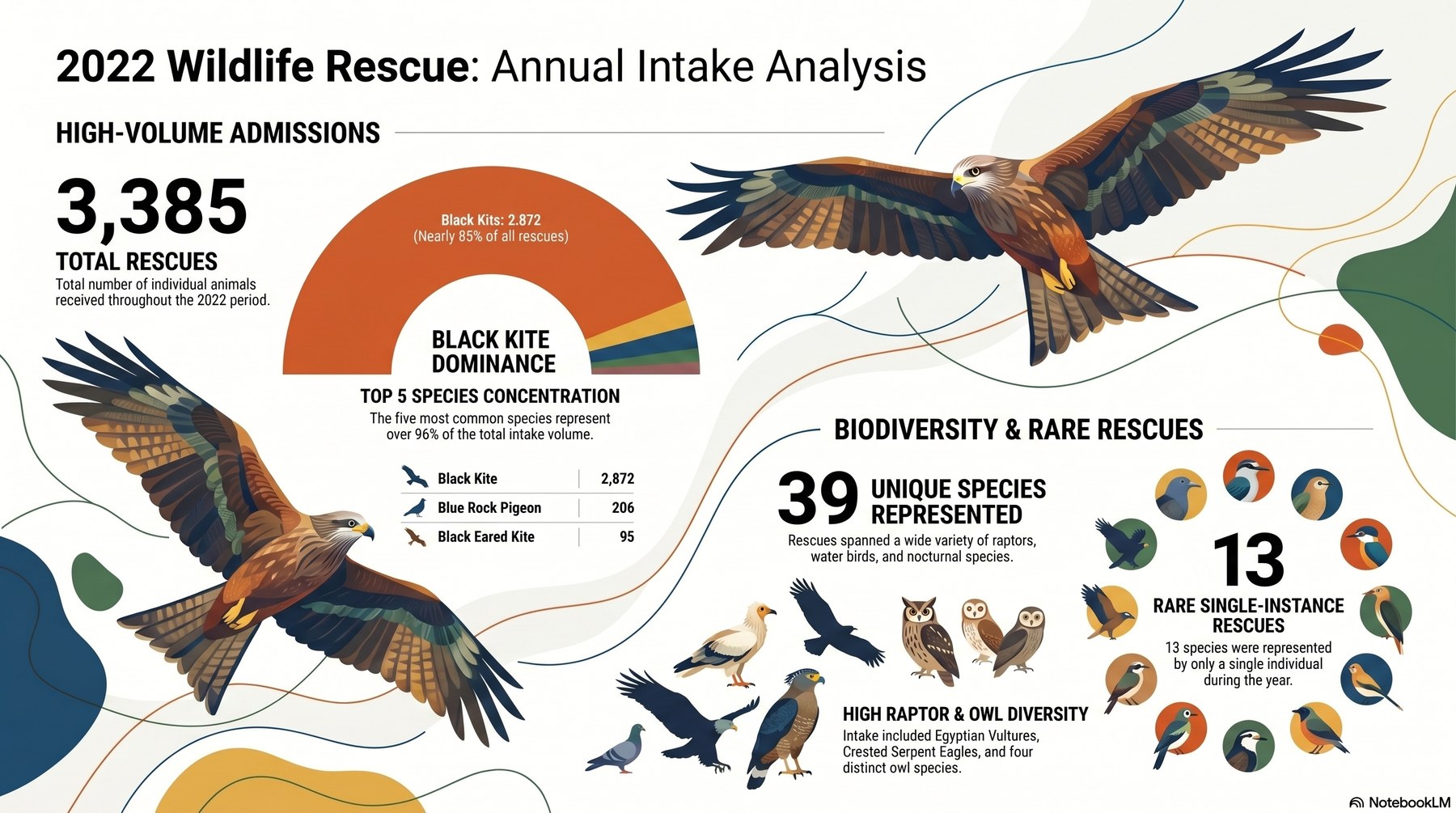
Annual Intake Analysis — 3,385 Rescues
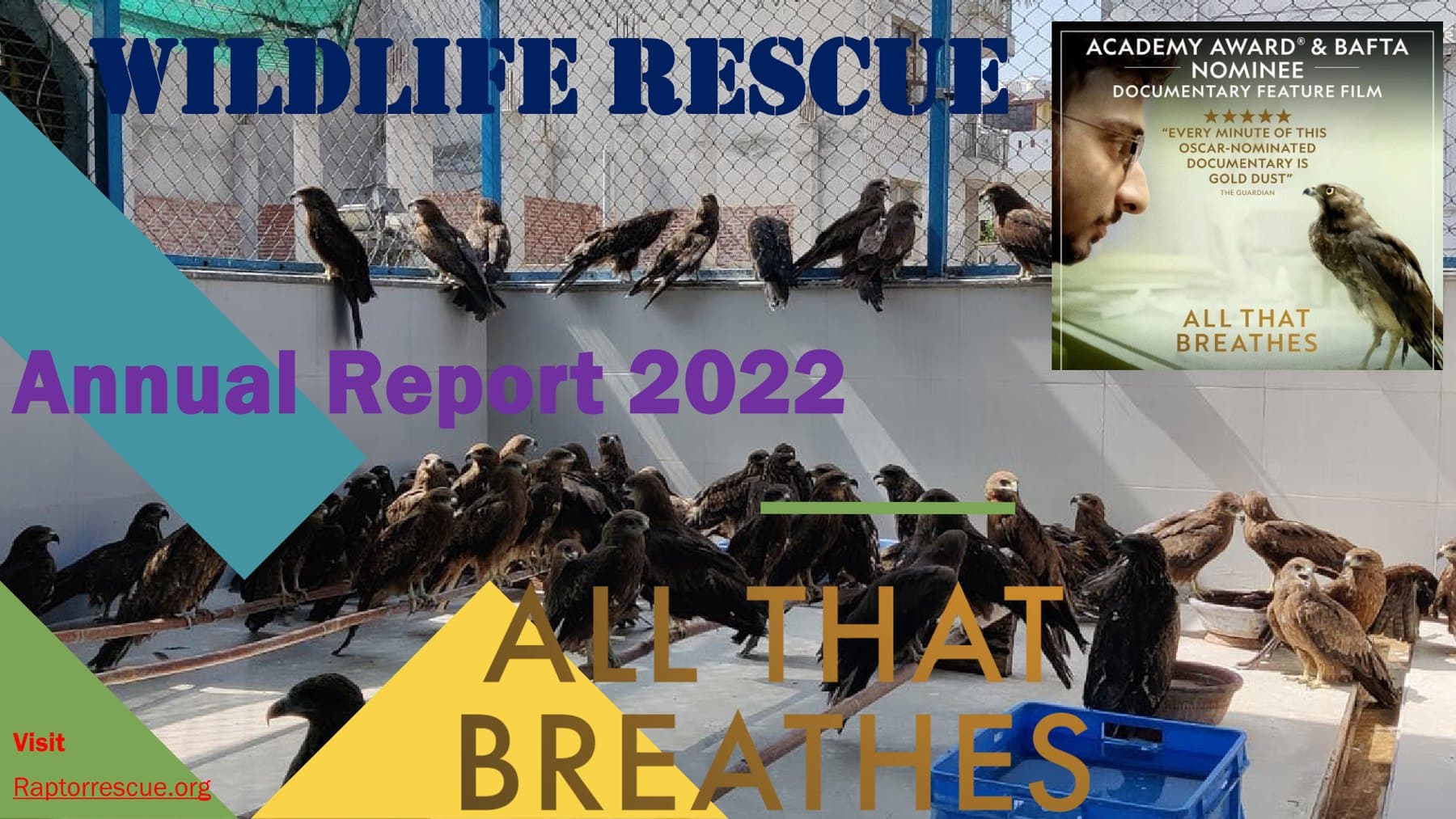
The Oscar-nominated documentary All That Breathes brought global attention to our work. Black Kites dominated intake at 85% of all rescues, while 39 unique species were treated — including 13 rare single-instance rescues.
Reports are released annually and include audited financial statements, intake data, and program details.
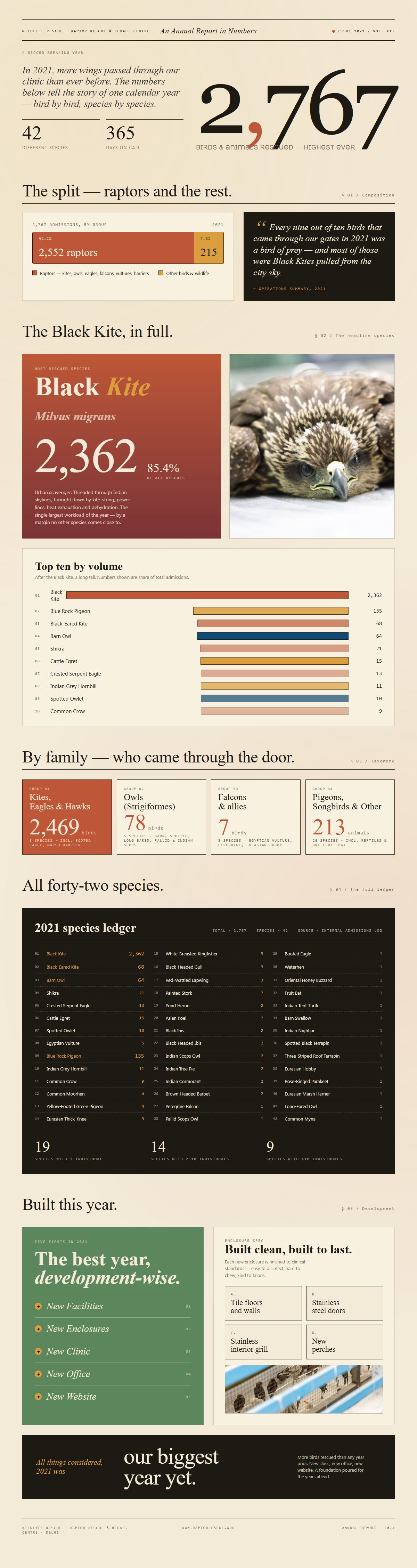
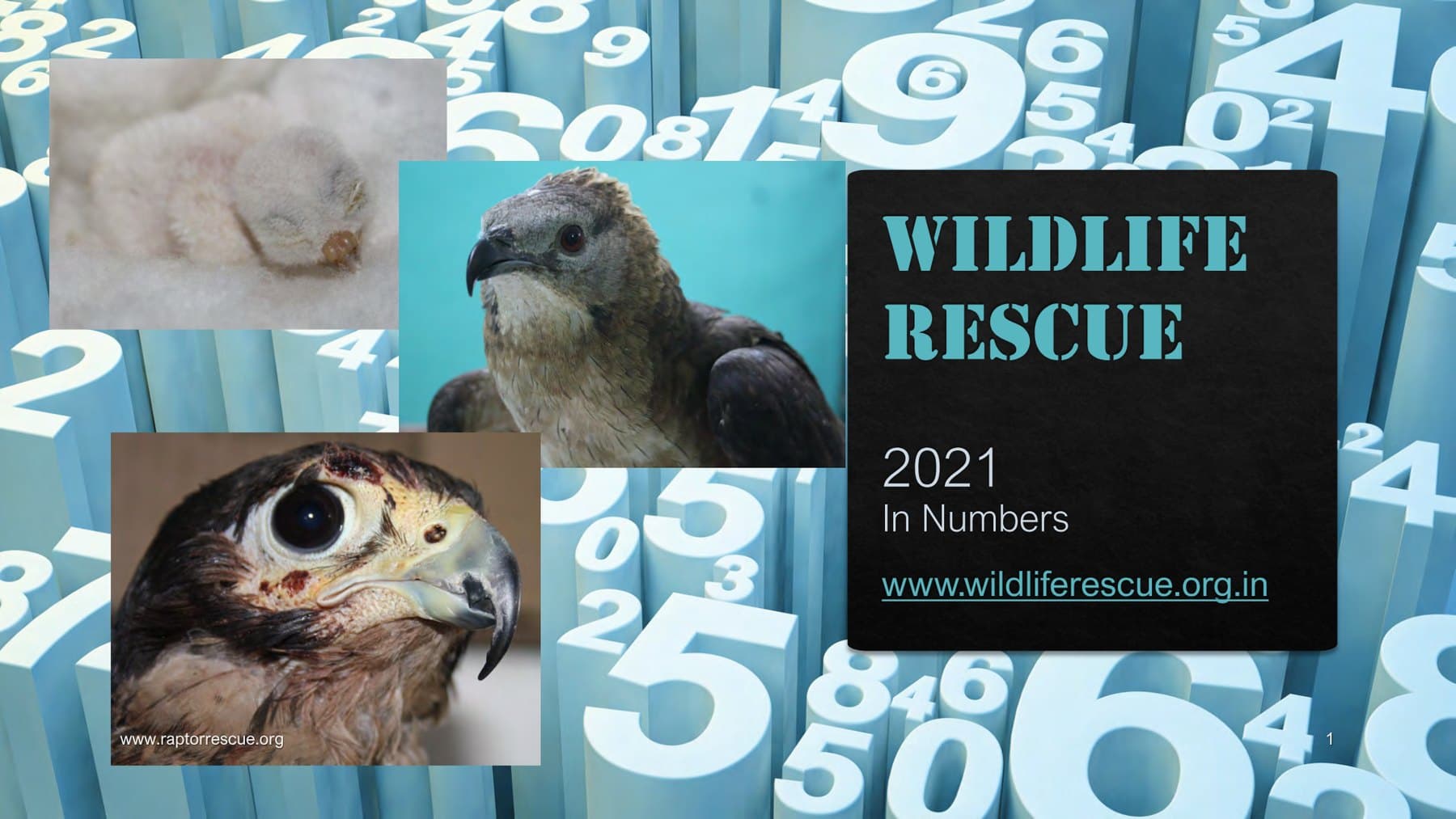
2021 In Numbers — 2,767 Birds, 42 Species
A record-breaking year. 2,767 birds and animals rescued across 42 species — the highest intake in Wildlife Rescue history at that point. Black Kites alone accounted for 2,362 rescues (85.4%). New clinic, new enclosures, new office: the year infrastructure caught up with ambition.
Reports are released annually and include audited financial statements, intake data, and program details.
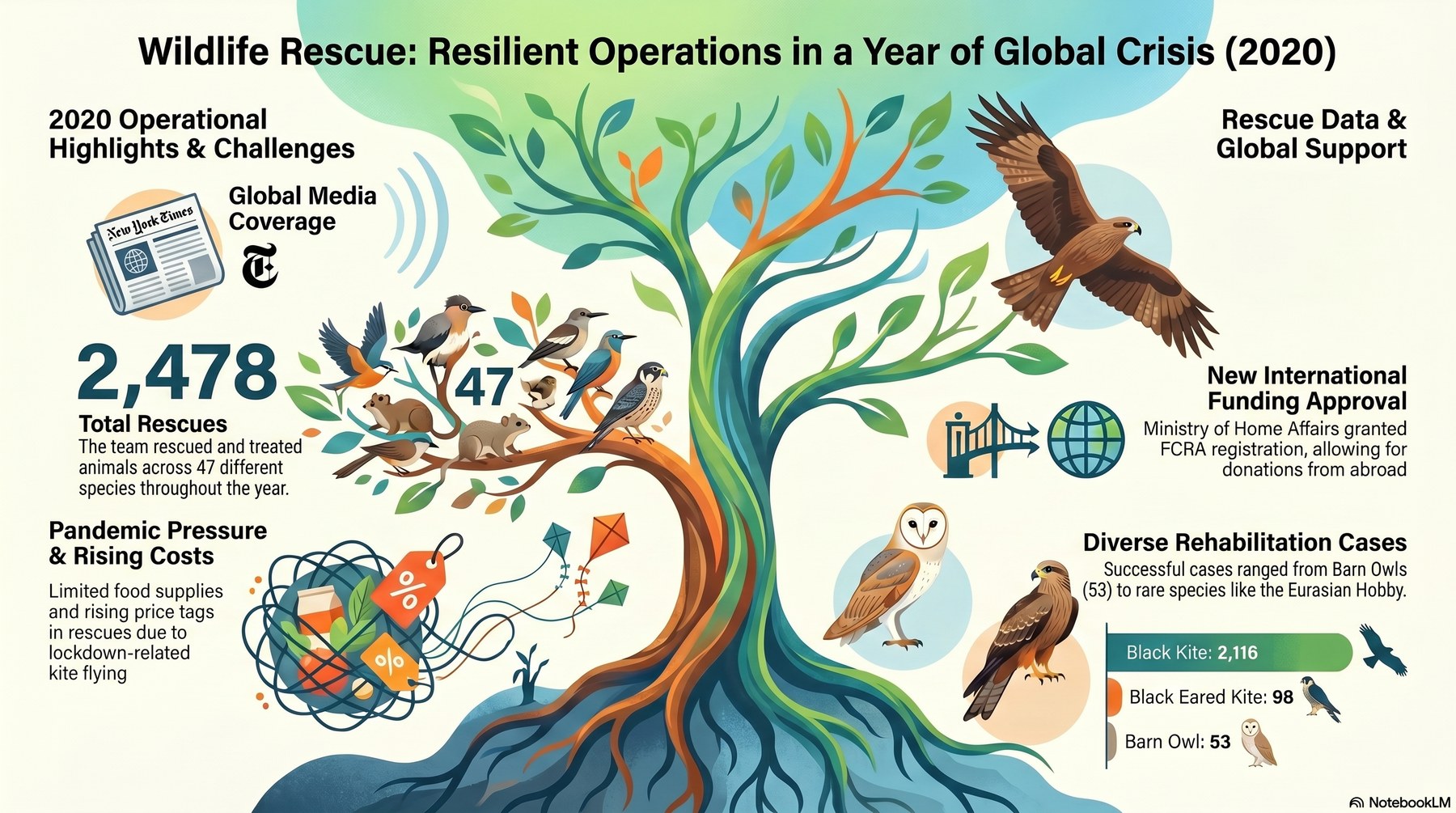
Resilient Operations in a Year of Global Crisis
Despite the COVID-19 pandemic, Wildlife Rescue stayed operational through 2020 — rescuing 2,478 birds across 47 species. The team secured FCRA registration for international donations and navigated lockdown-related spikes in kite flying injuries.
Reports are released annually and include audited financial statements, intake data, and program details.
For earlier reports or specific data requests, please contact nadeem@raptorrescue.org
Five years of audited income, expenditure, capital investment and balance sheet data — with a year-by-year expenditure breakdown.
View Financial Transparency